


Mazda First Born-EV is Coming in 2027 — and It Promises Classic Mazda Feel
Mazda is set to launch its first dedicated, bespoke electric vehicle (EV) in 2027, signaling a major shift away from its current strategy of adapting existing platforms. Despite the company trailing some rivals in the born-EV space, CTO Ryuichi Umeshita asserts that Mazda has a competitive edge, driven by experienced engineers and a commitment to preserving the brand’s core driving philosophy, Jinba Ittai (oneness between car and driver). While the company commits $10 billion to electrification and future innovations, regulatory uncertainty over emissions targets is creating a dilemma over whether this first pure EV will be a low-volume or high-volume offering.
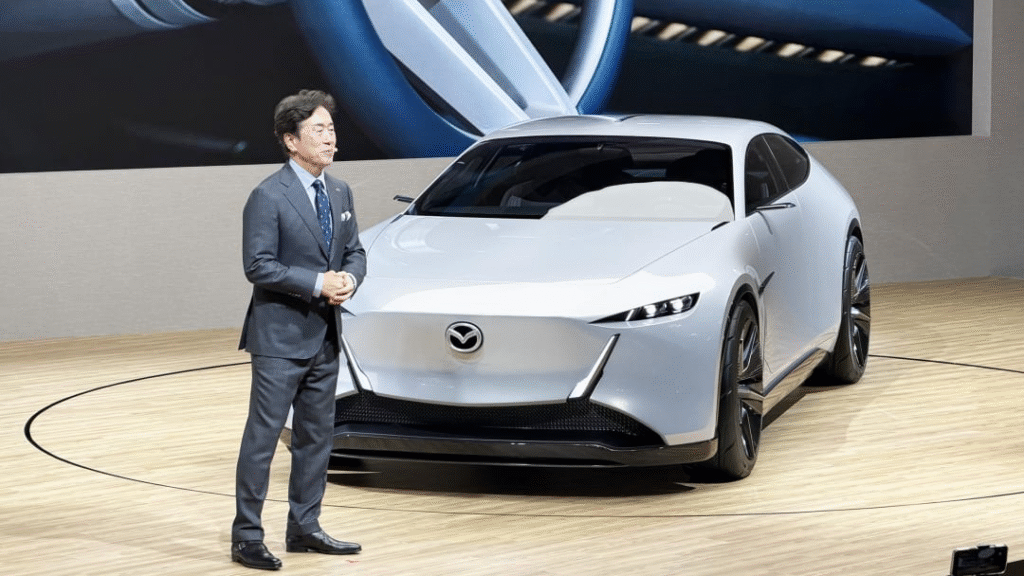
Commitment to “Mazda First Born-EV” Platforms and Driving Dynamics
Mazda is making a firm commitment to developing unique electric platforms, ensuring their EVs are authentic to the brand.
- Bespoke Platform: The company is firmly committed to developing bespoke EV platforms for a pure-electric future, moving beyond adapted models like the MX-30 (which uses CX-30 underpinnings) and joint-venture products like the EZ-6 and EZ-60 (using Changan platforms).
- Launch Timeline: The first EV built on this dedicated platform is expected to launch in 2027.
- “Jinba Ittai” Experience: CTO Umeshita, who has already driven a prototype, promises that the upcoming EV “is a real ‘jinba ittai’ car,” delivering “very good driving dynamics” that resonate with the brand’s core concept of wellness and connection between car and driver.
- Dedicated Team: This focus is being led by a new internal division, “E-Mazda,” established specifically for electrification development.
Regulatory Uncertainty Dictates Production Volume
While the engineering progress is positive, external policy and regulatory changes are influencing key business decisions regarding the car’s market scale.
- Volume Dilemma: Mazda is currently undecided whether the 2027 EV should be a low-volume or high-volume offering.
- Regulatory Impact: Umeshita explained that the decision hinges on global emissions regulations: “If the regulation requires [a higher EV mix], it must be a volume car. If the regulation is eased, then we can ease the volume restraints.”.
- Confidence in Engineers: Despite being “behind the competition,” Umeshita asserts that Mazda has experienced engineers and is confident that its future electric products “will be real Mazda products”.
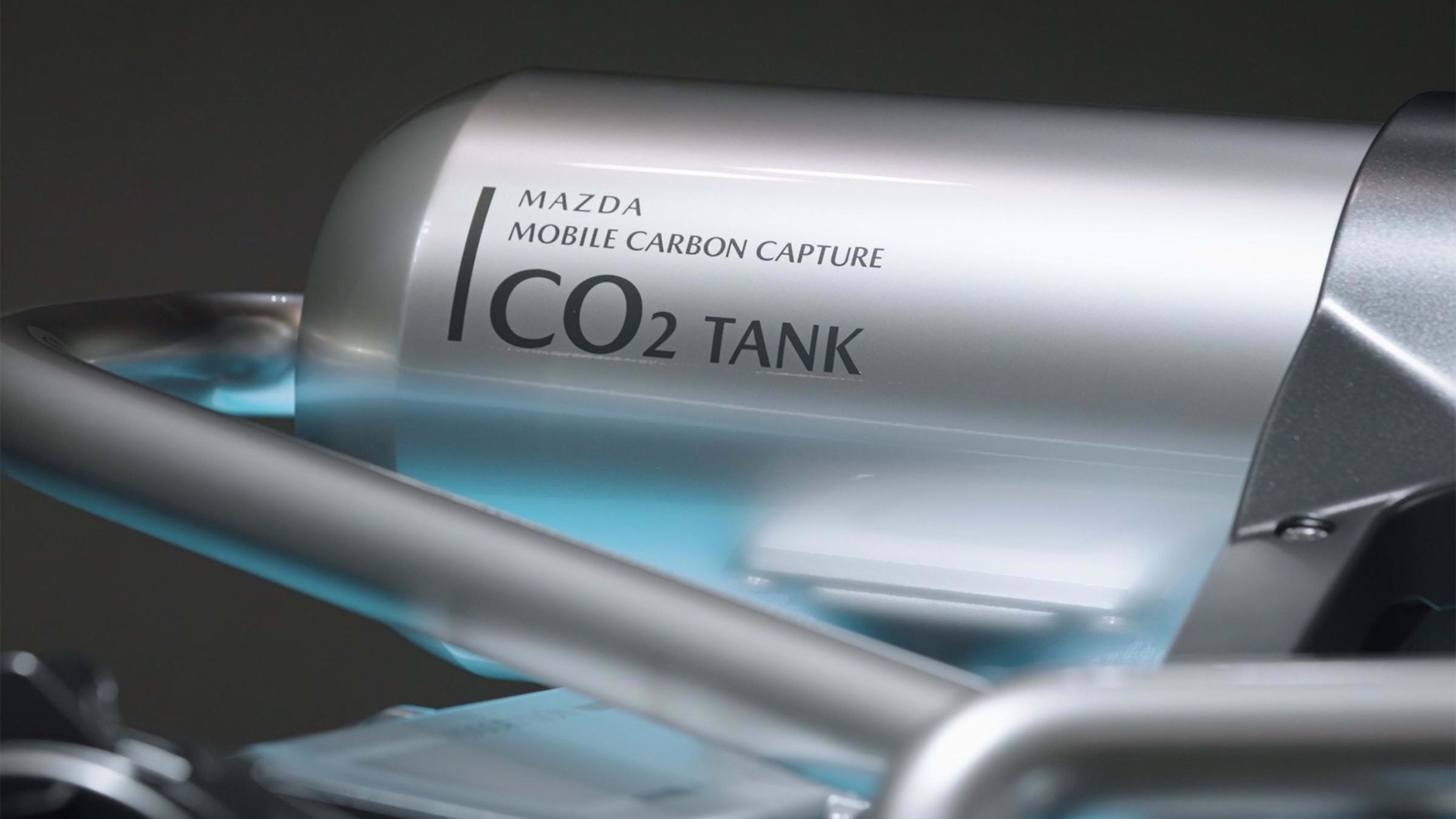
Broader Investment and Innovative Solutions
Mazda’s electrification strategy is part of a wider, multi-path commitment to sustainable mobility.
- Significant Investment: The company has set aside $10 billion to fund its born-EV endeavors and other engineering developments.
- Alternative Fuels: Mazda continues to explore alternative-fuel solutions and next-generation hybrid powertrains, including its unique rotary-engined PHEV range-extender and the Vision X-Coupe Concept’s ability to capture exhaust carbon on the fly. These achievements were showcased at the Japan Mobility Show, alongside the Vision X twins.
Final Thoughts
Mazda’s commitment to a bespoke, driver-focused EV for 2027 signals a strategic intent to compete on quality of experience rather than sheer volume alone. By prioritizing Jinba Ittai and maintaining its distinct handling DNA, Mazda aims to create electric vehicles that are genuinely engaging to drive. While regulatory uncertainty dictates its immediate production scale, the substantial investment and focus on internal engineering suggest that when the first born-EV arrives, it will be a true reflection of the Mazda brand.
Also Read – Ford Shifts Strategy to Hybrids After $1.4 Billion EV Loss, CEO Predicts 5% EV Market Share


Pingback: Engine Teardown Exposes How $850 6.4L V8 Survived Catastrophic Damage: Hemi Lifter Failur - Mechhelp