


Japan public road drifting law May Reclassify Drifting as Dangerous Driving Offense
The Japanese car scene has long been associated with drifting and flashy mods, an image famously popularized by films like The Fast and the Furious: Tokyo Drift. However, that era of seemingly carefree public-road drifting is nearing an end. The Japanese government is preparing to clamp down on the practice, and the Japan public road drifting law is set for a major overhaul that will carry significantly harsher punishments.
Japan’s Ministry of Justice is considering reclassifying drifting as a form of dangerous driving. This change would require lawmakers to define drifting clearly within the legal framework, addressing a loophole that has led to lighter penalties for reckless behavior.
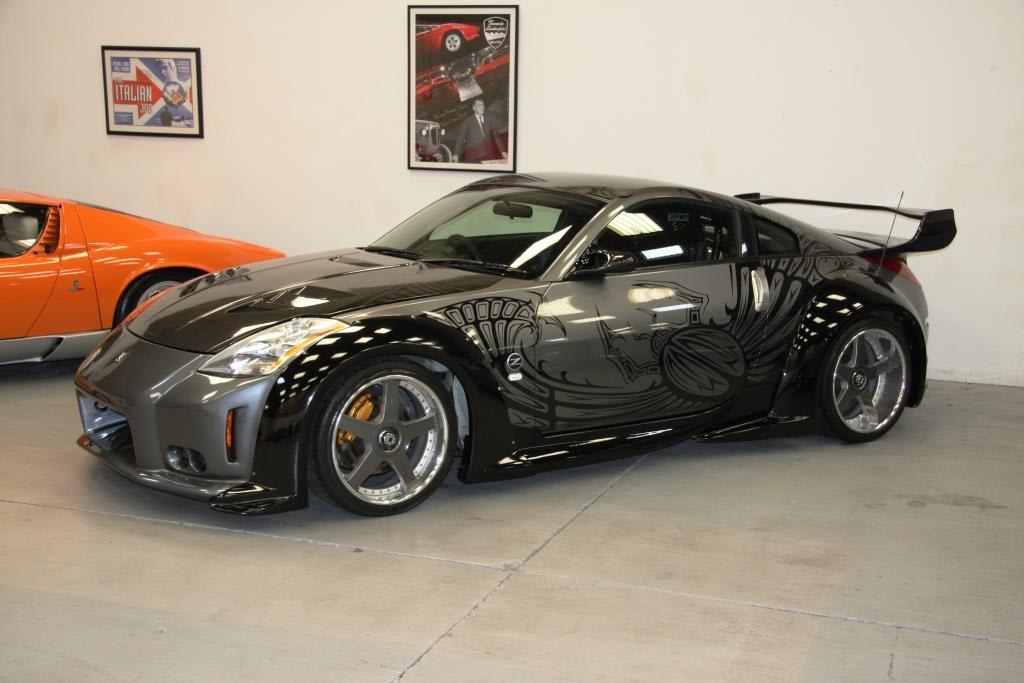


Here is a look at the current legal problem and the severe penalties that could soon be applied.
The Legal Problem: Negligence vs. Danger
Because there isn’t a clear legal category specifically for drifting, related crashes have often been handled under the lesser charge of negligent driving, rather than the more serious criminal charge of dangerous driving.
A prominent 2013 case in Kyoto Prefecture highlighted this issue: an 18-year-old driver lost control while drifting through an intersection, seriously injuring five schoolchildren. Because the act fell under negligent driving, the driver received an indeterminate sentence of only 18 to 30 months.
The proposed change aims to correct the perceived imbalance between the severity of the act and the resulting punishment.
| Offense Category | Current Status of Drifting | Maximum Penalty for Causing Injury | Maximum Penalty for Causing Death |
| Negligent Driving | Where drifting incidents are often classified | 7 Years Imprisonment or ¥1,000,000 fine | 7 Years Imprisonment |
| Dangerous Driving | Proposed New Classification | 15 Years Imprisonment | 20 Years Imprisonment |
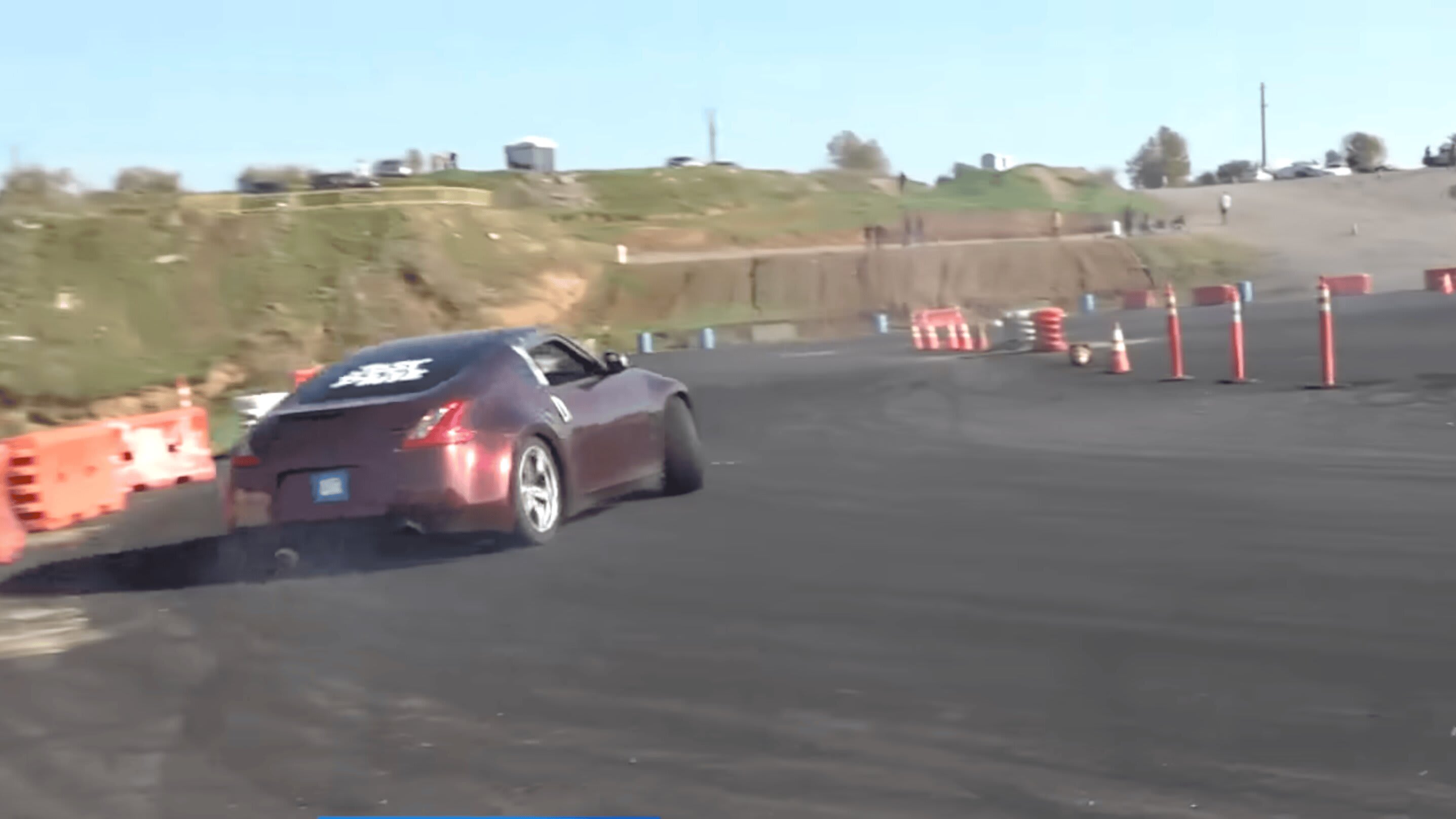

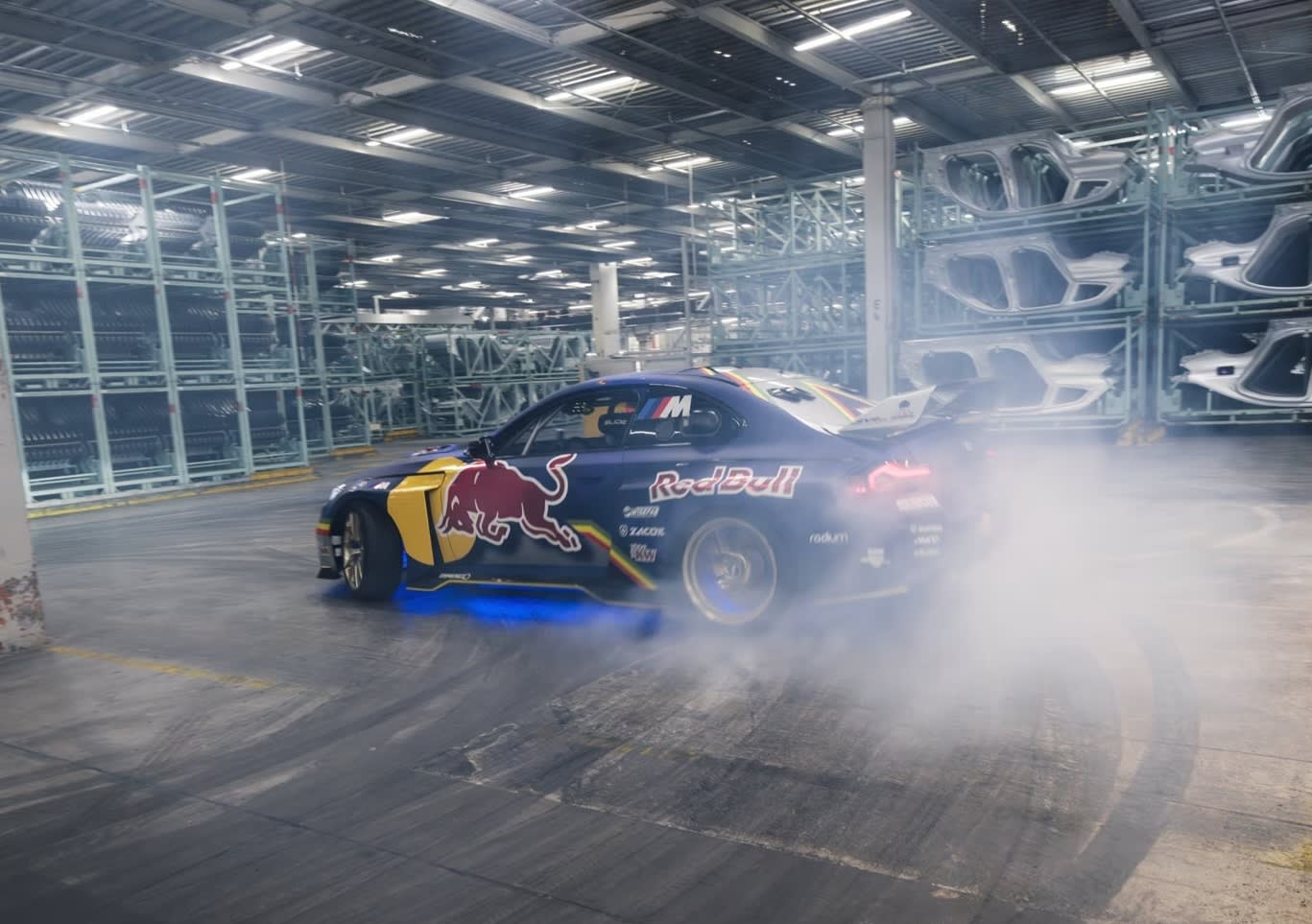
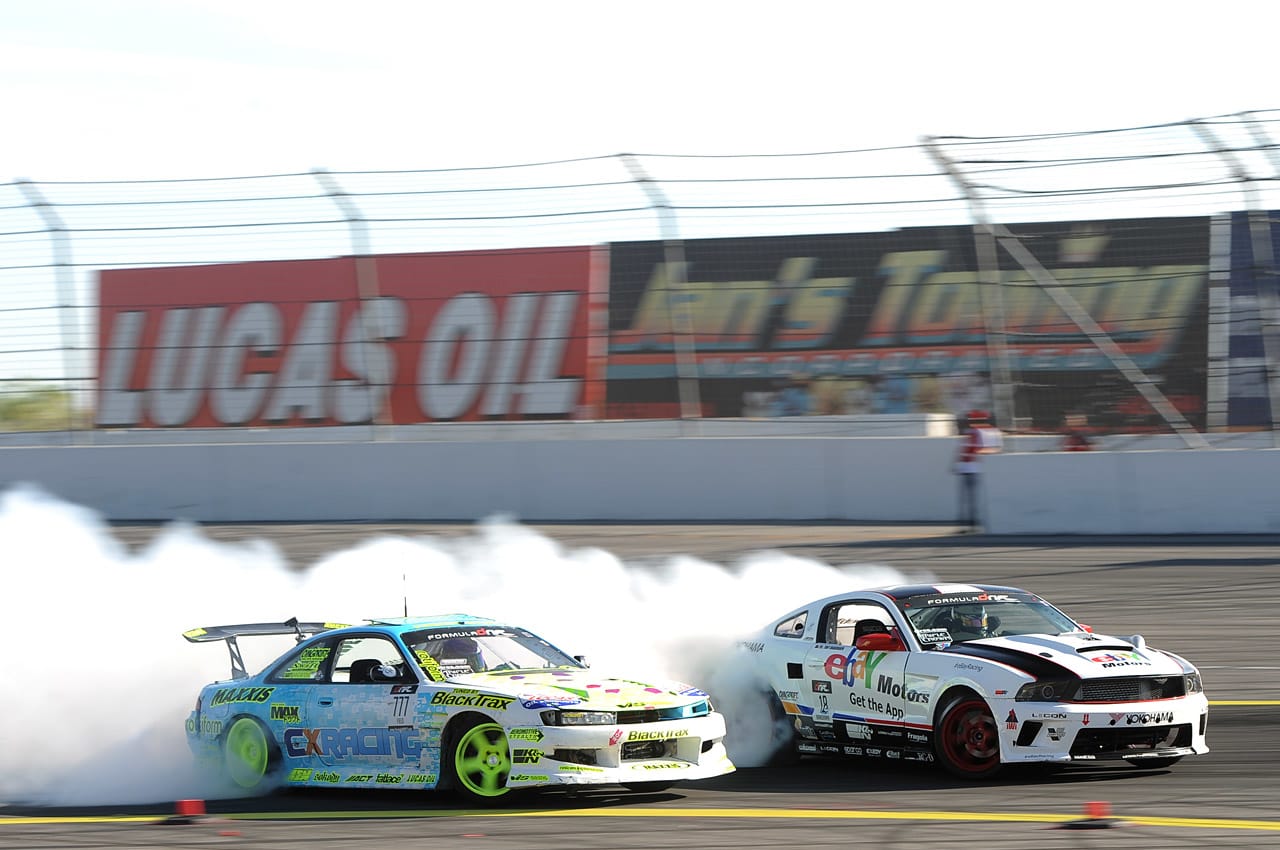
The Impact of the Proposed Penalties
The charge of dangerous driving is used for more serious cases not related to simple lapses in attention (like distracted driving). It is currently applied to acts such as driving under the influence of alcohol, extreme speeding, or intentionally cutting off other cars.
The new Japan public road drifting law would place intentional oversteering and loss of traction into this higher category, significantly raising the stakes for offenders.
- Deterrence: Commenters online suggest that the threat of such long prison sentences, combined with potential automatic confiscation of the vehicles, will act as a strong deterrent, potentially leading to fewer illegal street takeovers.
- Exclusions: Lawmakers are being urged to clearly define the law to exclude accidental tire slip (common in snowy or icy conditions) and, of course, legal drifting that takes place on closed roads or sanctioned circuits, of which there are many in Japan.
If the Ministry of Justice proceeds with this proposal, the Japan public road drifting law will dramatically redefine the country’s street car culture, ensuring that the high-risk activities seen in movies remain confined to closed circuits.
Also Read – Ford F-250 F-350 death wobble lawsuit Affects 2005–2007 and 2017–2019 Heavy-Duty Models


Pingback: AUDI E7X China SUV Debuts With 671 HP Dual-Motor And 800V Architecture