
Trump Fuel Economy Rollback: Will Cheaper Cars Cost You More?
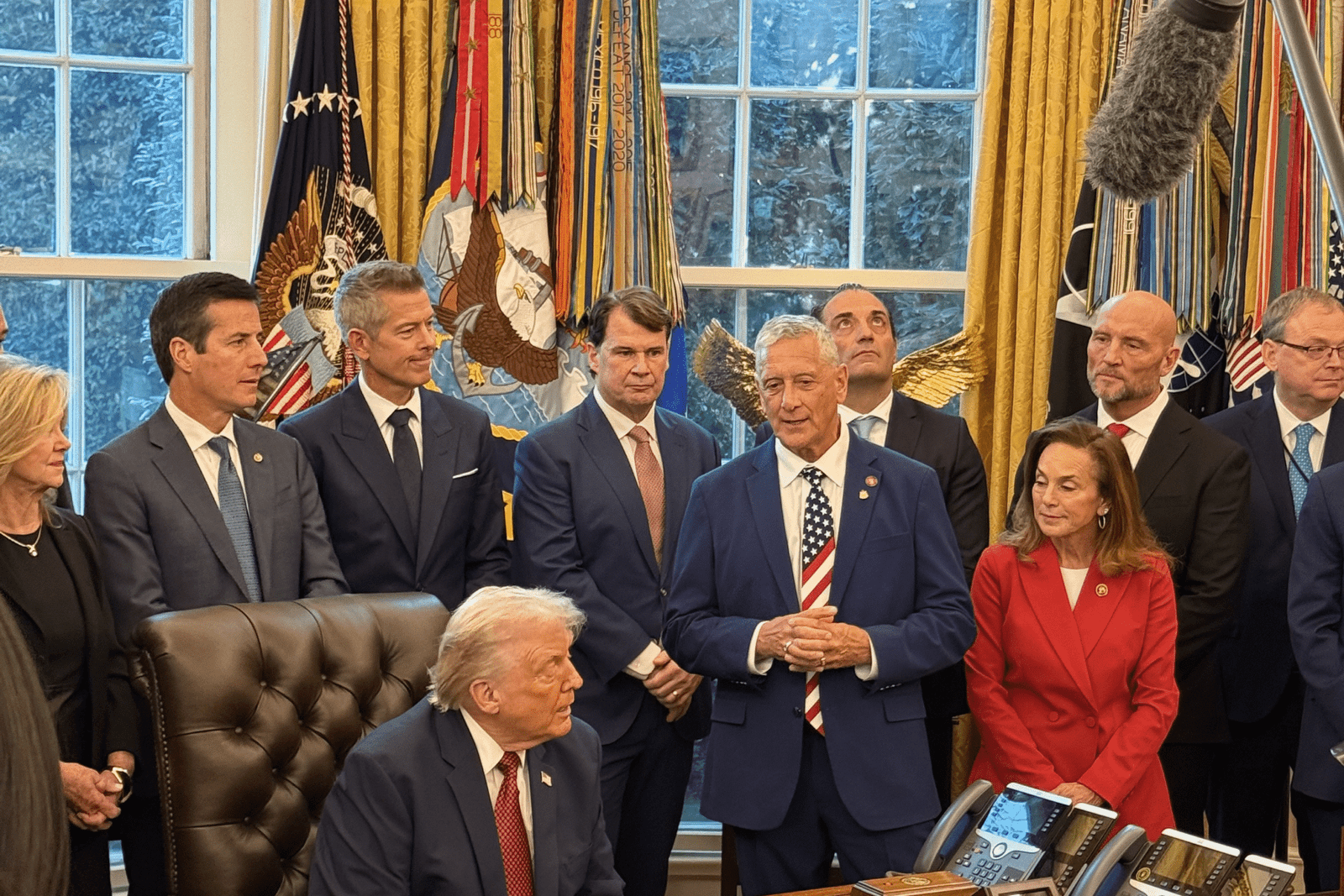
The Trump administration has officially proposed a major rollback of vehicle fuel-efficiency standards, a move championed as a victory for consumer affordability and automaker freedom. The proposal, announced in early December 2025, aims to slash the corporate average fuel economy (CAFE) requirements set by the previous administration.
While the White House argues this will significantly lower the sticker price of new vehicles, industry experts and environmental analysts warn of a “hidden tax” that will hit drivers where it hurts most: the gas pump.
The Proposal: 34.5 MPG is the New Target
The National Highway Traffic Safety Administration (NHTSA) and the Environmental Protection Agency (EPA) have proposed reducing the fleetwide average fuel economy requirement to approximately 34.5 miles per gallon (mpg) by the 2031 model year. This is a sharp decrease from the 50.4 mpg target established under the Biden administration.
This regulatory U-turn is part of a broader “Freedom Means Affordable Cars” initiative, which also includes the elimination of credit trading programs by 2028 and the removal of civil penalties for automakers who fail to meet efficiency targets.
Why the Rollback?
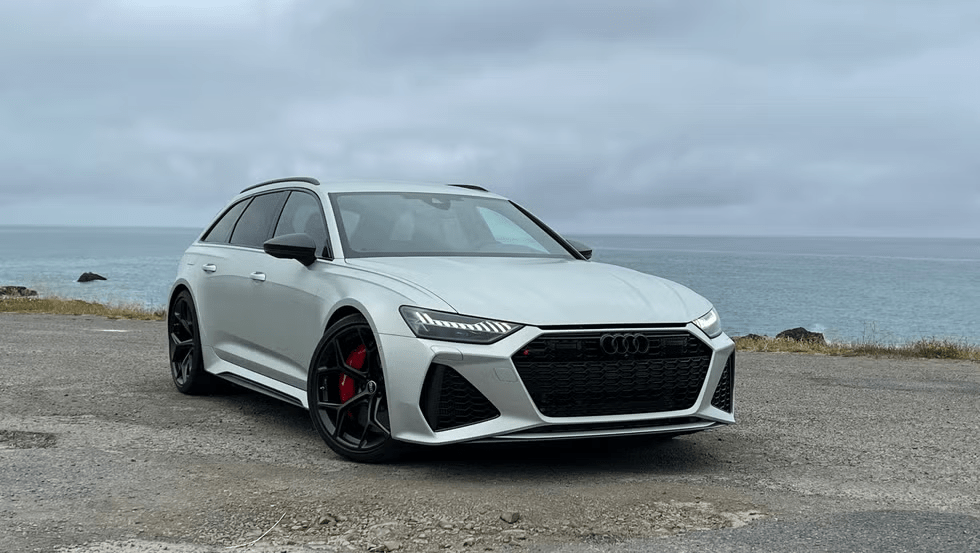
The administration contends that the previous standards were an effective mandate for electric vehicles (EVs), forcing automakers to adopt expensive technologies that drove up vehicle prices. By relaxing these rules, the White House claims automakers can return to producing the gasoline-powered SUVs and trucks that many Americans prefer, without the “compliance costs” that inflate window stickers.
Also Read –Trump Tariffs Driving Up Car Prices: Consumers to Feel Pain Soon as Automakers Absorb $10.6 Billion
The Financial Trade-Off: Upfront Savings vs. Long-Term Costs
The core debate centers on a simple financial trade-off: paying less for the car today versus paying more for gasoline over the years.
The Upfront Savings

According to the NHTSA’s own economic analysis, the Trump fuel economy rollback could save automakers roughly $35 billion in technology compliance costs through 2031. If these savings are passed on to consumers, the average upfront cost of a new vehicle is projected to drop by approximately $930.
For a buyer financing a vehicle, this could lower monthly payments, making new cars more accessible to budget-conscious families.
The Gas Pump Reality
However, critics argue that these upfront savings are a mirage. Jason Schwartz, legal director at NYU’s Institute for Policy Integrity, notes that while technology costs may fall, fuel consumption will rise significantly.
The NHTSA analysis estimates that the proposal will increase national fuel consumption by around 100 billion gallons through 2050. For the individual driver, this means filling up more often.
- Vanishing Savings: Analysts suggest that the ~$900 saved at the dealership could be wiped out within the first few years of ownership due to lower gas mileage.
- Lifetime Costs: Some studies indicate that beginning with model year 2027, consumers could pay more in lifetime fuel costs than they saved on the initial purchase price.
- Maintenance: Less efficient vehicles may also incur higher long-term repair costs compared to the EV equivalents that the previous rules encouraged.
Automakers React: A “Win for Common Sense”

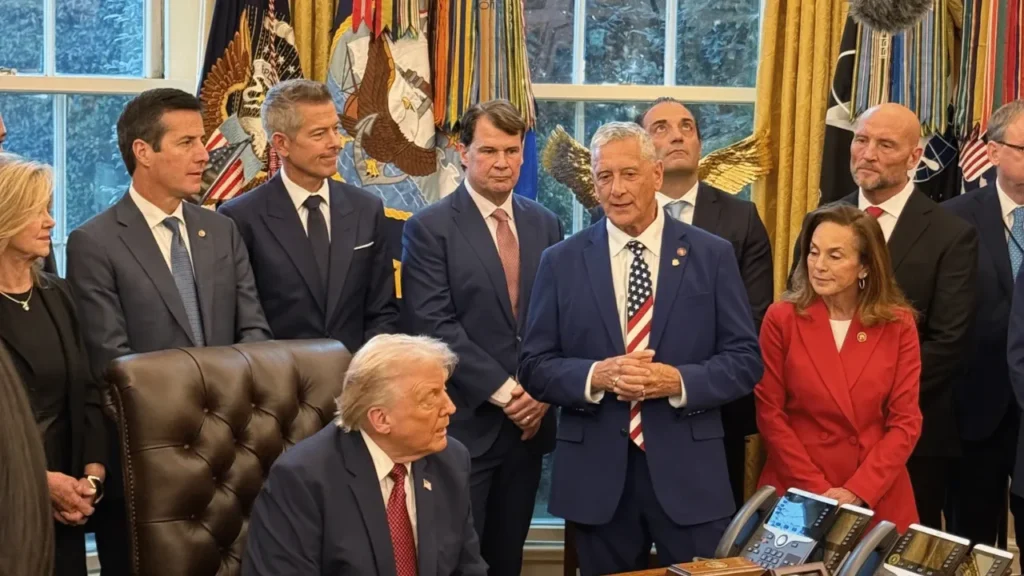
Major automakers have largely welcomed the proposal. Executives from Ford, General Motors, and Stellantis attended the White House announcement, signaling their support for the regulatory relief.
- Ford CEO Jim Farley called the rollback a “win for customers and common sense,” emphasizing that it aligns standards with “market realities.”
- Stellantis CEO Antonio Filosa praised the move for reconciling regulations with real-world customer demand.
For these companies, the rollback provides a crucial buffer. It allows them to continue selling their most profitable vehicles—large trucks and SUVs—without facing billions in fines or being forced to aggressively ramp up EV production faster than consumer demand allows.
Environmental Impact
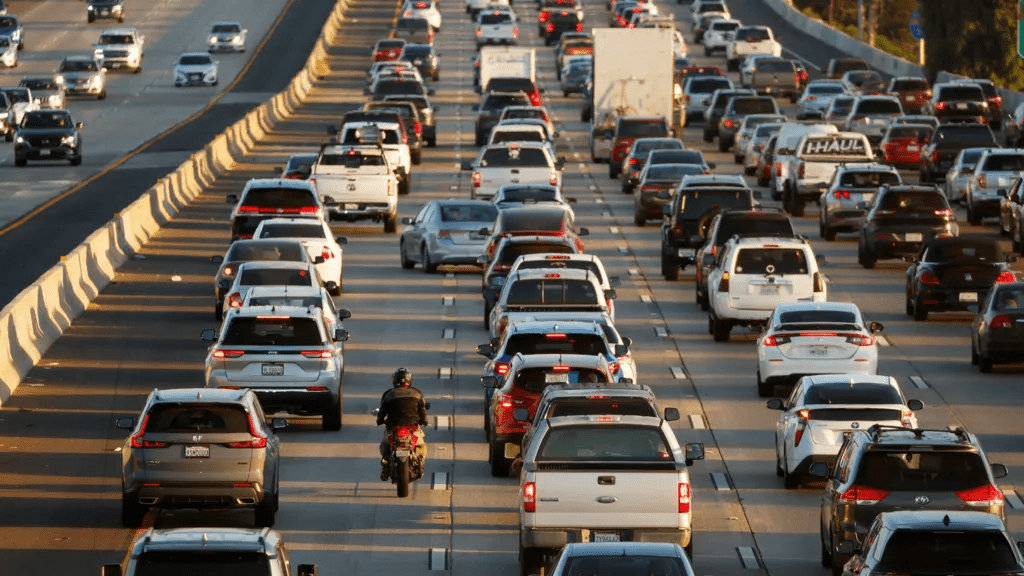
Beyond the wallet, the Trump fuel economy rollback has significant environmental implications. The NHTSA projects that carbon dioxide emissions from the U.S. vehicle fleet will rise by approximately 5% relative to the previous standards.
Transport remains the largest source of greenhouse gas emissions in the United States. Environmental groups have decried the move, with the Union of Concerned Scientists labeling it a financial and environmental hit to consumers. They argue that the analysis ignores the economic damages associated with increased pollution, such as health costs related to poorer air quality.
Conclusion
The Trump fuel economy rollback presents a complex scenario for American car buyers. On one hand, the promise of knocking nearly $1,000 off the price of a new car is an attractive proposition in an era of high interest rates and inflation. On the other, the reality of 34.5 mpg versus 50.4 mpg means that drivers will be tethered to gas stations more frequently and for more money.
As the proposal moves through the public comment period, the ultimate winner of this policy shift—whether it is the consumer, the automaker, or the oil industry—remains a subject of fierce debate.
Would you prefer a cheaper car today if it meant paying more for gas every week?
Frequently Asked Questions
How much will the Trump fuel economy rollback save me on a new car?
Government estimates suggest the average upfront cost of a new vehicle could decrease by about $930, assuming automakers pass their compliance savings directly to consumers.
Will gas prices go up because of this rule?
The rule itself doesn’t set gas prices, but it does mean cars will burn more gas. Because vehicles will be less fuel-efficient (34.5 mpg vs 50.4 mpg), drivers will need to buy more fuel to drive the same distance, increasing their overall monthly gas bills
When will these new standards take effect?
The proposal covers model years 2027-2031. However, because automakers plan production cycles years in advance, the impact on vehicle pricing and availability may not be felt immediately
Does this mean electric vehicles (EVs) are going away?
No, but it removes the federal regulatory pressure that was forcing automakers to build them. Companies can still produce EVs, but they will no longer face stiff penalties for selling more gas-powered trucks and SUVs.