


Tesla Quietly Cut 400 Pounds From the New Model X—Here’s How
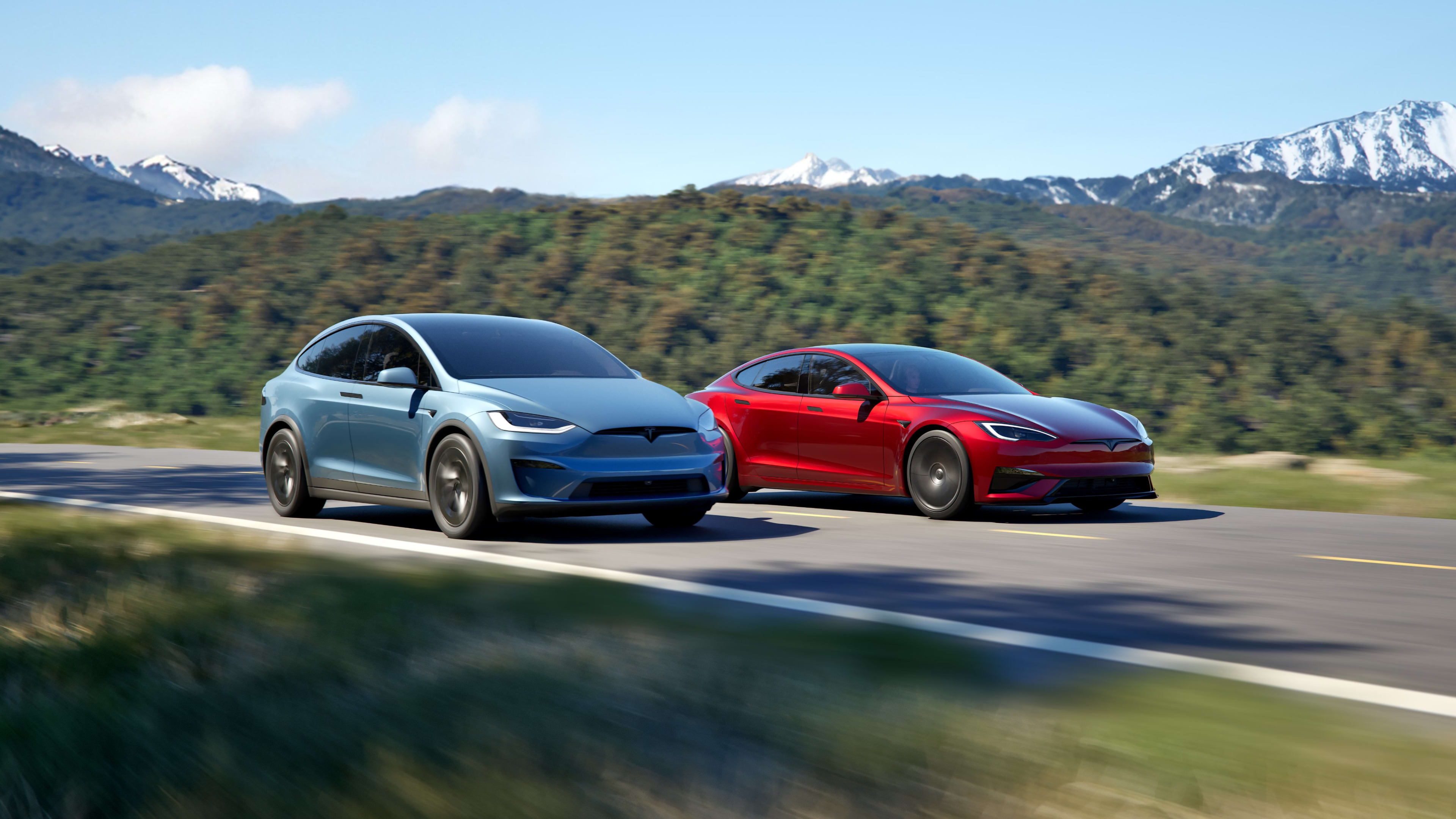
While most cars gain weight dramatically due to regulations and demands for more features, Tesla has gone against the grain. The Tesla Model X weight loss is a significant feat in the auto industry, with the updated 2026 electric crossover shedding nearly 400 pounds compared to its original launch model.
The latest Model X now tips the scales at just 5,219 lbs. This massive reduction was achieved not by resorting to exotic, expensive materials, but by making a heap of clever, efficient changes under the skin, boosting both performance and range in the process.
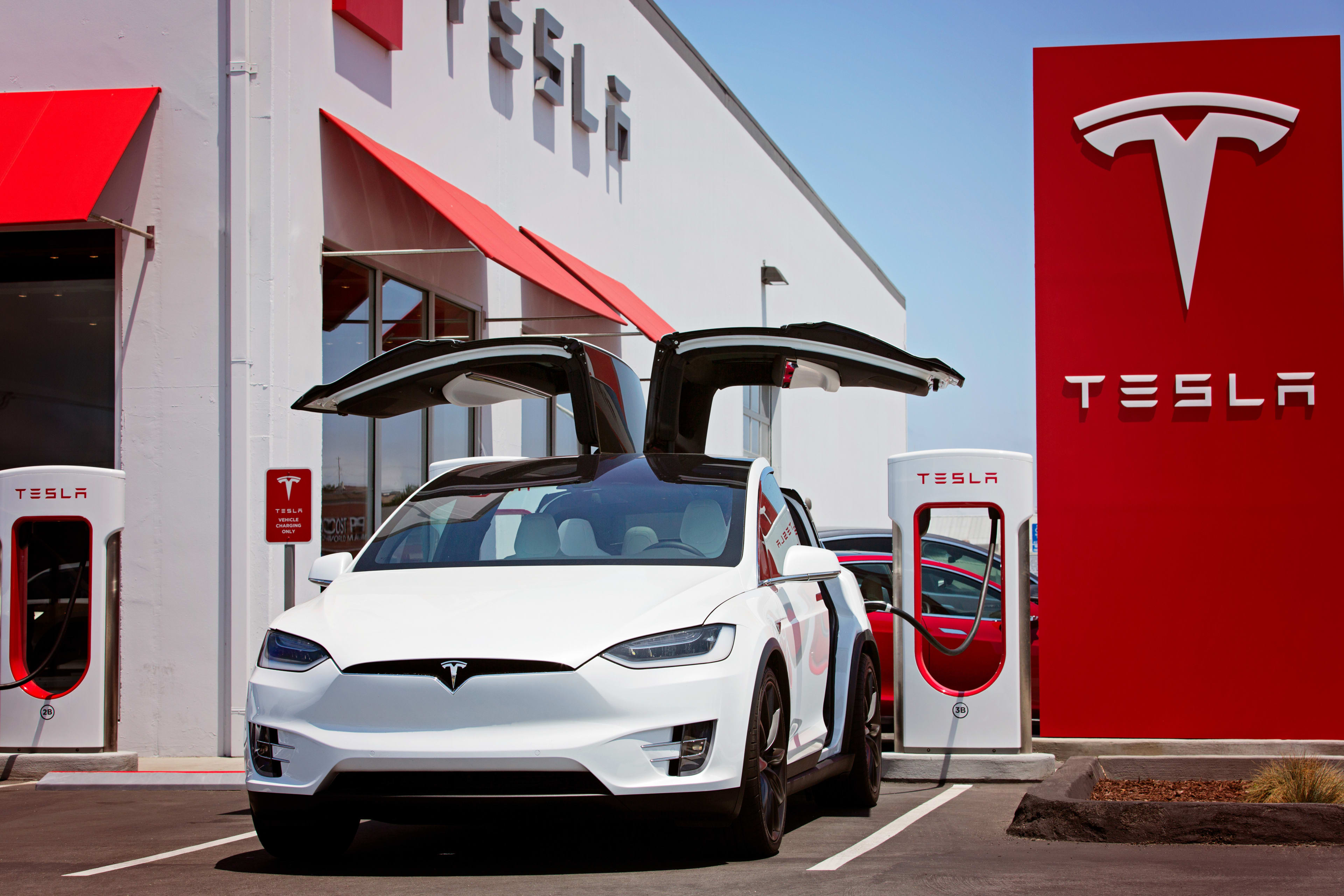
Here is the full breakdown of how Tesla’s engineering team put the Model X on a diet.
The Weight-Saving Measures
Tesla’s vice president of vehicle engineering, Lars Moravy, explained that initial Model X models were rushed to market using too much Model S hardware. The 2026 Model X benefits from changes made across the battery, motor, and structure. (Tesla Model X weight loss)
| Area of Change | Weight Savings (Approx.) | Key Method Used |
| Battery/Pack Structure | ~90 pounds | Lighter, more energy-dense cells; optimized internal structure. |
| Electric Motors | ~100 pounds | Switched to induction-type rear motor (replacing permanent-magnet unit) and optimized half-shafts. |
| Interior/Seats | ~80 pounds | Thinner interior materials; removed pedestal mounting in rear bench seat models (saving 50 lbs). |
| Structure/Chassis | ~20 pounds | Used megacasting (gigacasting) to replace numerous smaller parts with larger, single components. |
| Wiring/Cooling | ~74 pounds | Optimized high-voltage wiring (switched to aluminum), simplified cooling system. |

Benefits: Speed, Range, and Stiffness
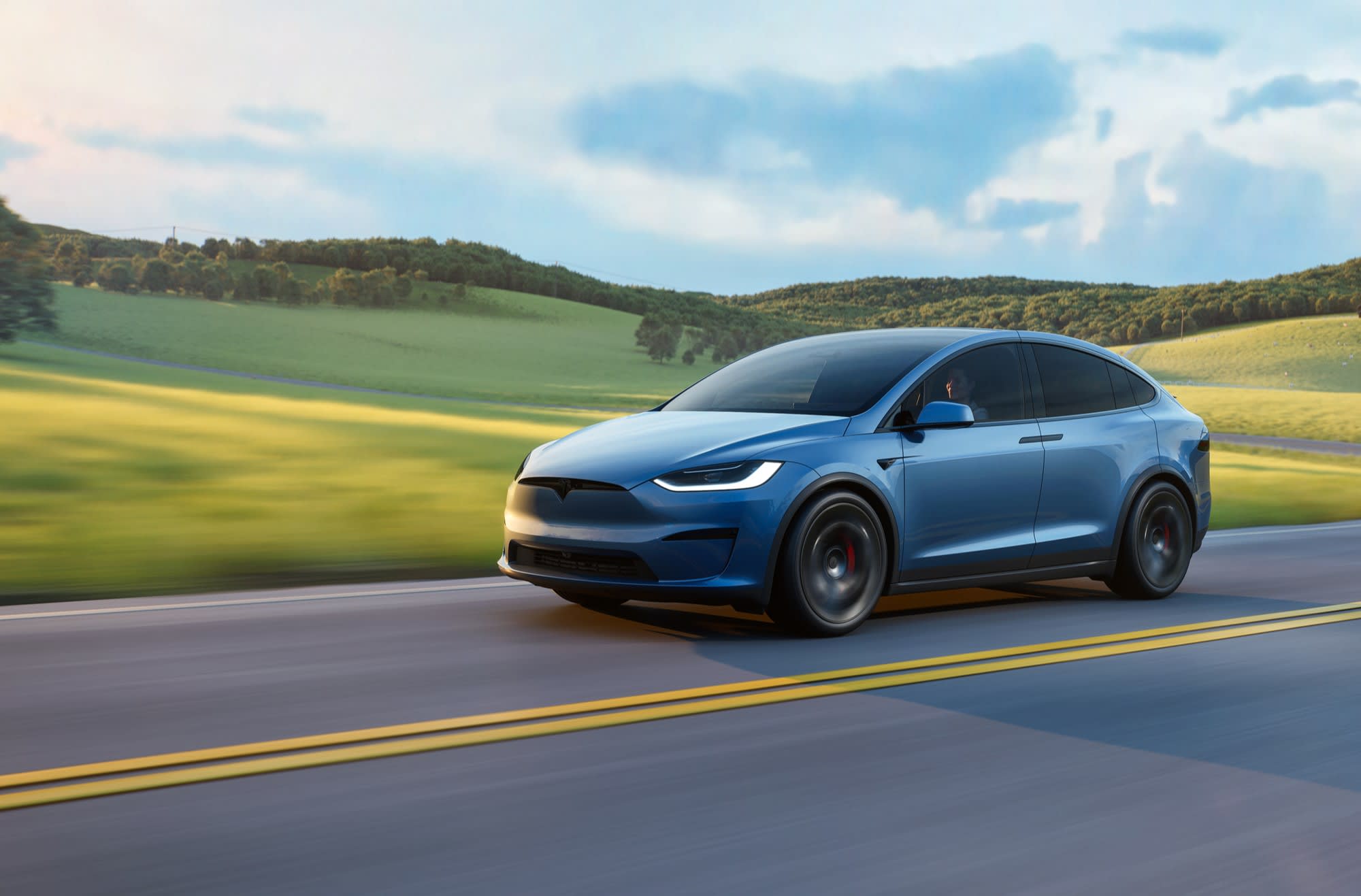
The Tesla Model X weight loss isn’t just a number; it translates directly into performance gains for the driver.
- Performance: The entry-level dual-motor version now hits 60 mph in just 3.6 seconds, making it quicker than its older counterpart.
- Range: The reduced mass, combined with denser batteries, has boosted efficiency. The EPA rating has jumped to 352 miles, with independent highway tests confirming over 300 miles of real-world range.
- Stiffness: The shift to larger megacastings not only saved weight but also increased the vehicle’s torsional stiffness by around 10 percent, leading to improved handling dynamics.
What Tesla has accomplished is a rarity in the industry: a car that is substantially lighter, faster, and cheaper than it was a decade ago, proving that making cars lighter is a key strategy for meeting future emissions standards.
Also Read – The New Hyundai Ioniq 6 N carbon kit Is Factory-Backed and Track-Ready


Pingback: $70,000 Profit: 2026 Corvette ZR1 Flip Sells For $290k
Pingback: Affordable Tesla Model 3 – New European Variant Cuts Costs - Mechhelp