

Slate EV Truck Won’t Have Service Centers—Partners with RepairPal for Maintenance
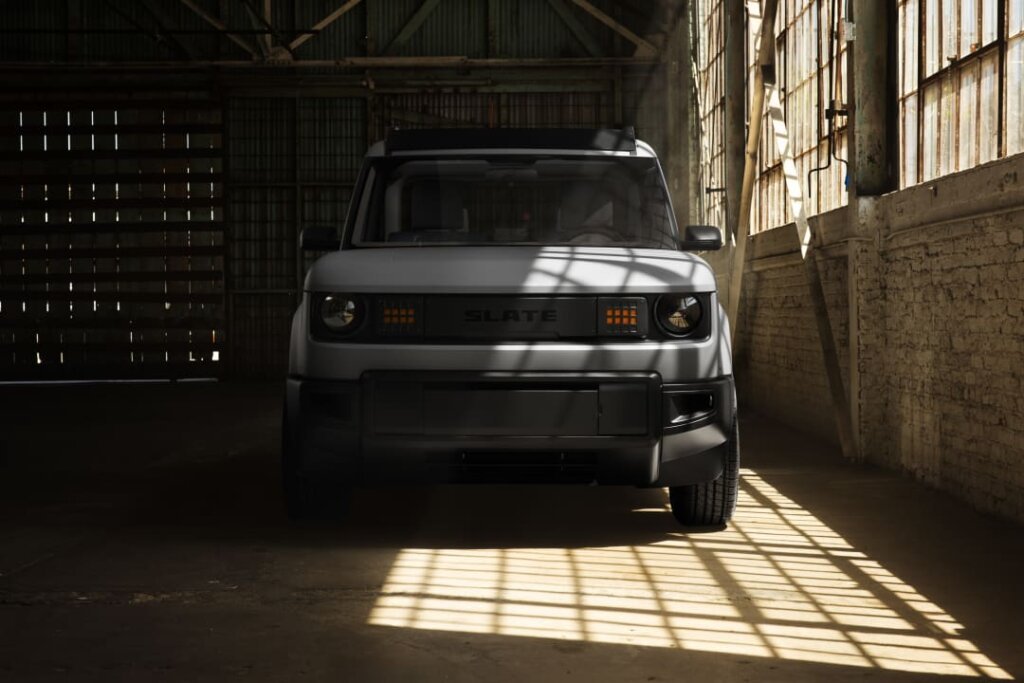
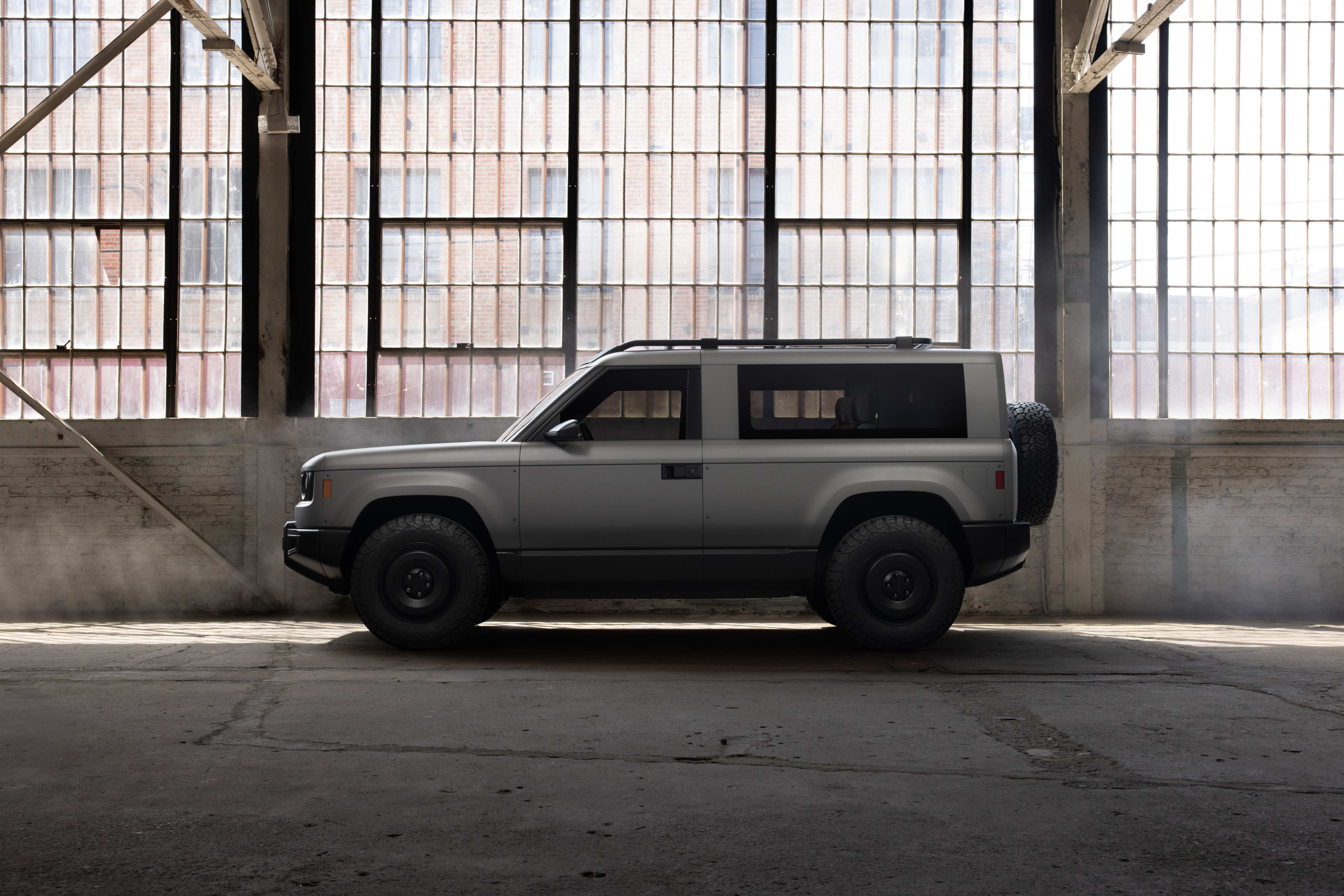
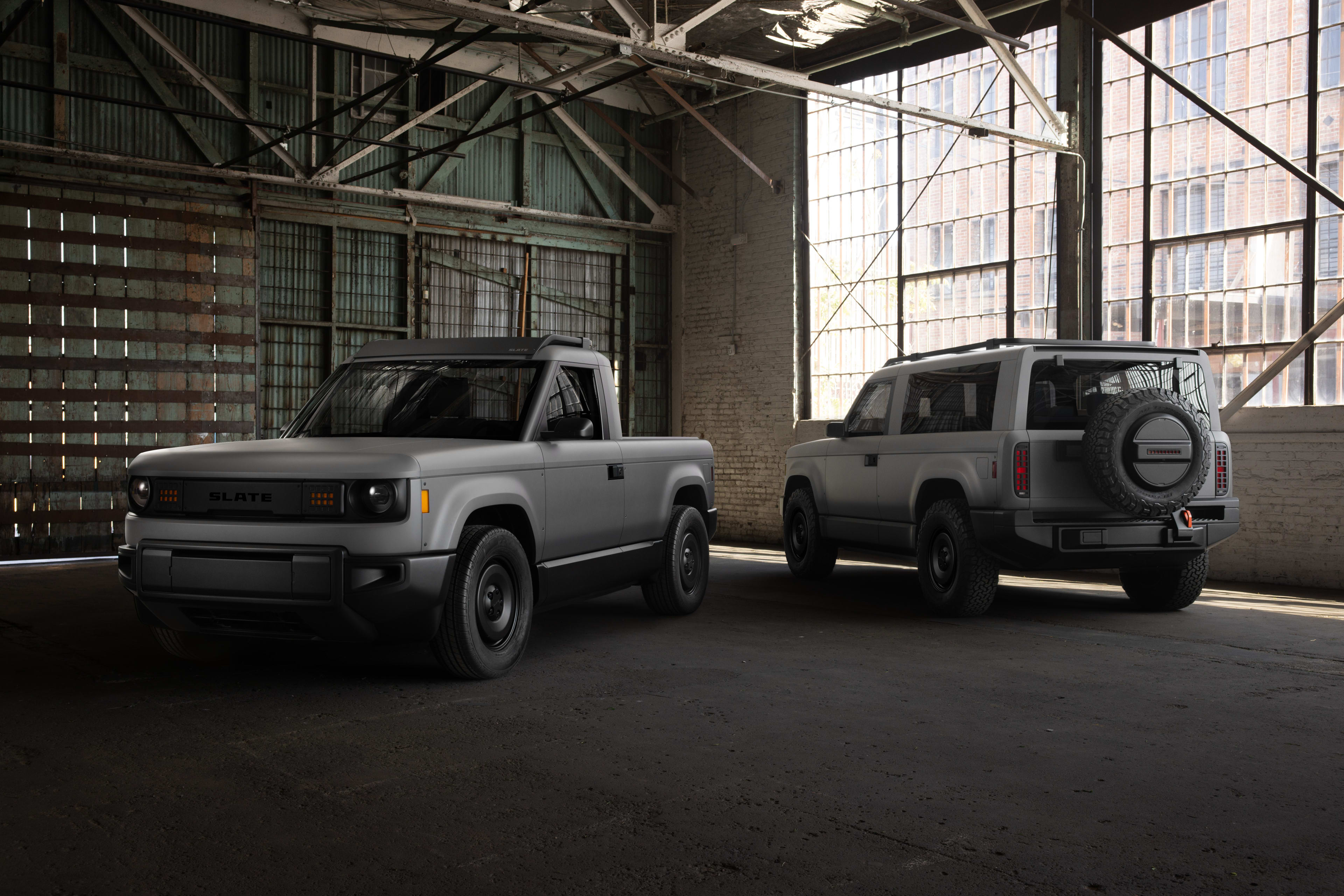
Slate, the Michigan-based startup building an affordable, minimalist electric pickup, is taking a radical approach to service by forgoing its own service centers. Instead, the company has partnered with RepairPal’s network of over 4,000 certified independent shops nationwide to handle maintenance, customizations, and warranty work. This “anti-Tesla play” is a clever cost-saving hack that aims to keep the truck’s price tag in the mid-$20,000 range and avoid the capital drain and customer frustration associated with building a proprietary service network from scratch.
The Anti-Tesla Playbook for EV Service
Slate’s strategy leverages existing infrastructure and minimizes capital investment, a direct contrast to other EV startups.
- No Service Centers: Slate will not build expensive, dedicated service centers like Tesla or Rivian, choosing instead to lean on existing independent shops.
- RepairPal Partnership: Slate is handing off service responsibilities to RepairPal, a network of over 4,000 certified shops and dealerships. These shops are vetted for tools and training.
- Service and Warranty: RepairPal shops will be trained in Slate-specific procedures, including high-voltage electrical and battery repair. While they handle most maintenance and accessory installations, some warranty work will still require corporate oversight.
- Affordability Driver: Slate’s CEO stated that avoiding the huge capital expense of building a service network allows the company to “keep the capital, avoid the migraine” and focus on making the truck affordable.
The Truck and The Vision: Simplicity and Modularity
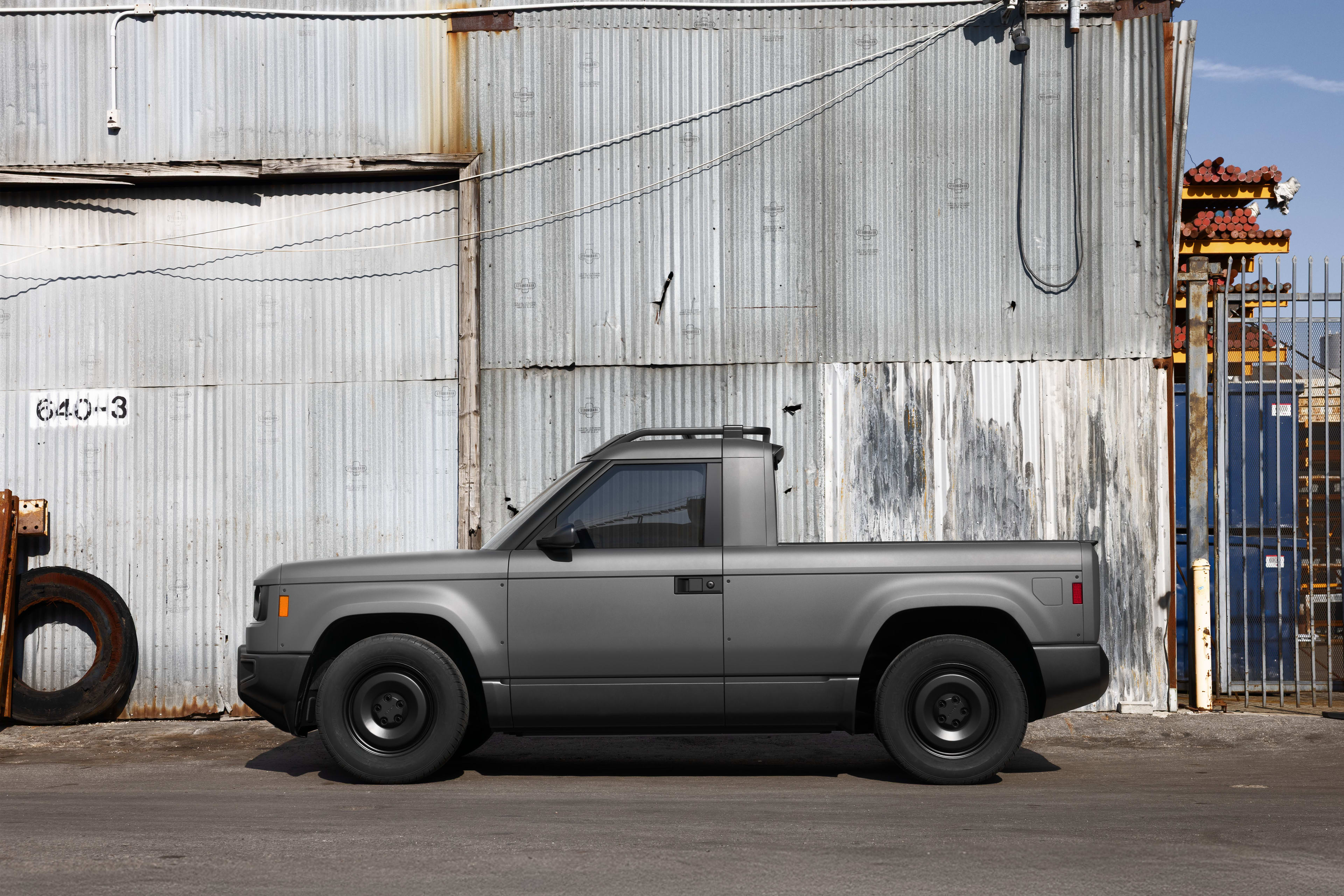
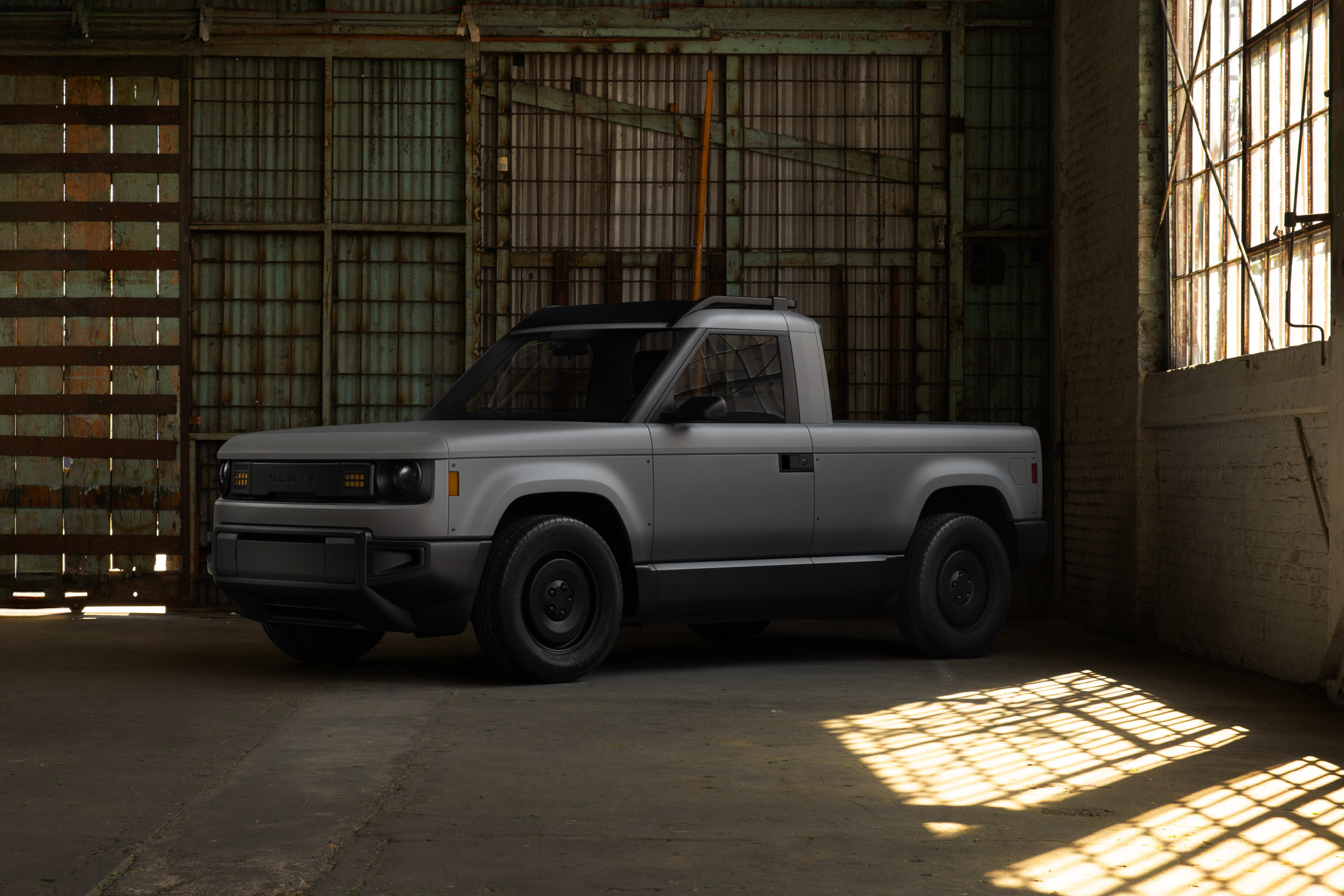
The Slate truck’s minimalist design philosophy makes the outsourced repair model viable.
- Target Price: Slate aims for a base price in the mid-$20,000s (under $28,000 before incentives), with production starting in an Indiana plant around 2027, targeting 150,000 units annually.
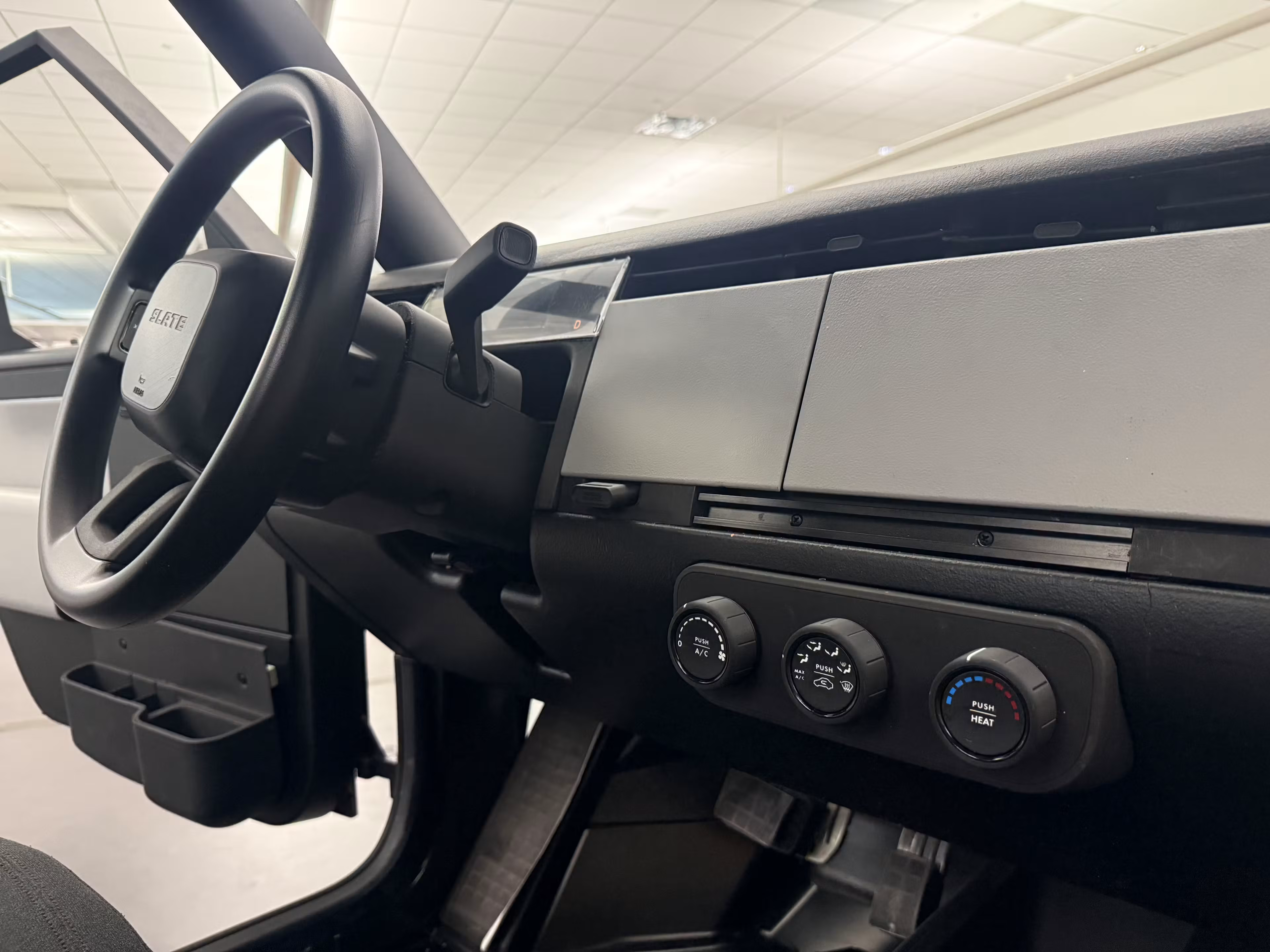
- Minimalist Design: The truck is deliberately bare-bones to reduce complexity and manufacturing costs. It features roll-up windows, manual climate controls, and no built-in infotainment system (drivers use their own smartphones/tablets via a dedicated mount).
- Modular Customization: True to its “Blank Slate” name, the truck features modular composite body panels and numerous conversion kits (including one that turns the two-seat pickup into a five-seat SUV).
- DIY Ethos: Slate encourages a DIY philosophy among owners, offering an online hub (“Slate University”) to teach and inform about maintenance and accessory installation.
- Powertrain: Features a single 201 hp rear-mounted electric motor, with range options of 150 miles (52.7 kWh battery) or 240 miles (84.3 kWh battery). It uses the NACS (Tesla-style) charging port.
The Verdict: Revolutionary, Lazy, or Sensible?
Slate’s model is a unique and polarizing strategy in the new-age automotive industry.
- Cost Efficiency: The outsourced service model, combined with manufacturing simplicity, is key to the truck’s low price point.
- Risk: The biggest risk lies in potential “warranty nightmare,” as a startup relies heavily on a third-party network to maintain quality and customer trust.
- The Future: This approach is seen as both “radically modern and charmingly old-school,” asking, “Couldn’t we simply take it to the shop down the road?”.
Also Read – Jaguar Electric GT Delayed to 2026, Priced at $130,000, Confirmed to Have 430-Mile Range


Pingback: 2026 Jeep Grand Cherokee Drops V6 For 324 HP Hurricane 4 Turbo, Gains 12.3-inch Screen - Mechhelp