

Porsche 911 plug-in hybrid decision Is Final: Packaging Issues Prevent Large Battery
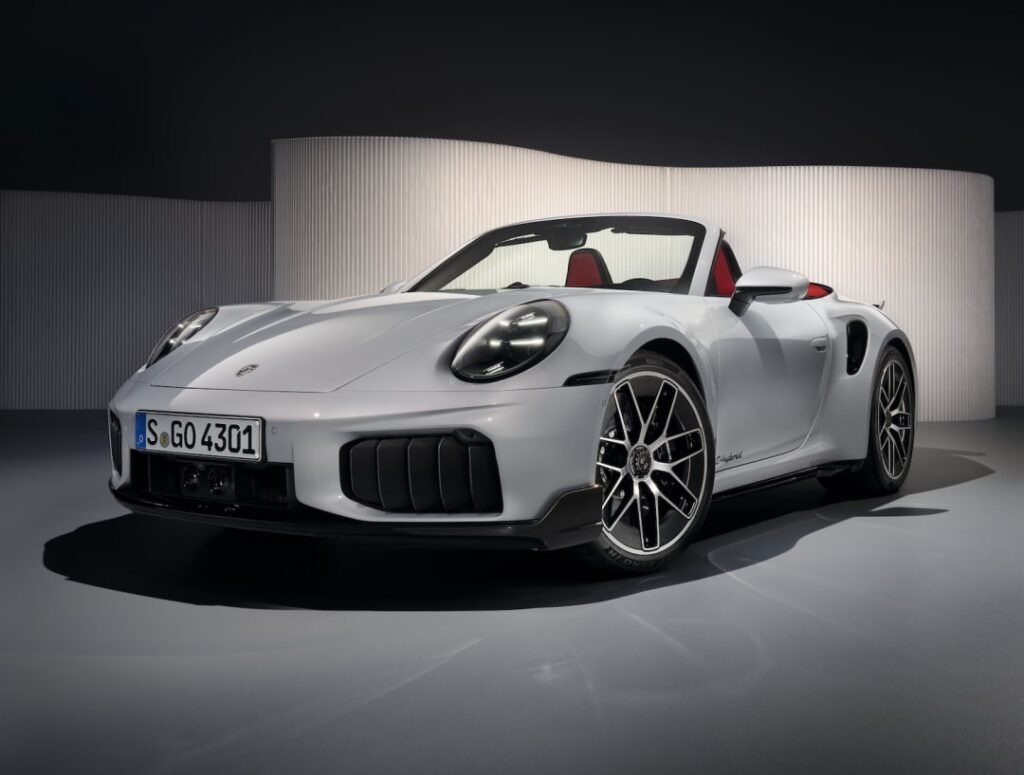
Back in 2017, a plug-in hybrid Porsche 911 felt inevitable, with the 992 platform described as “hybrid ready.” However, the lingering question about a plug-in 911 has been settled: the company isn’t going down that road. The Porsche 911 plug-in hybrid decision is final, according to the brand’s vice president for two-door sports cars, Frank Moser, and the reason is purely mechanical.
Moser confirmed that the 911’s proportions and complex packaging simply don’t allow for a large enough battery to be added without compromising the car’s fundamental shape and weight distribution.
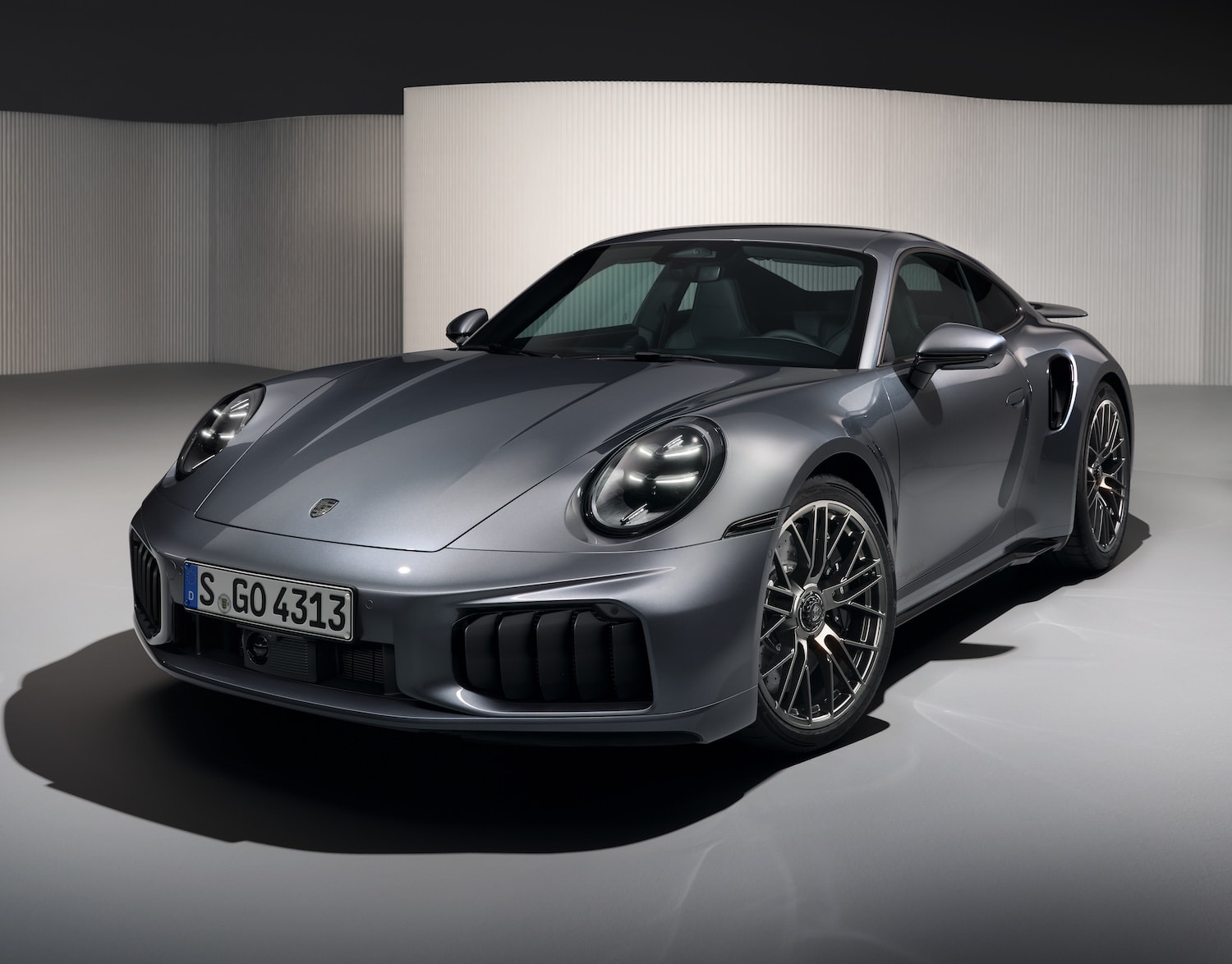
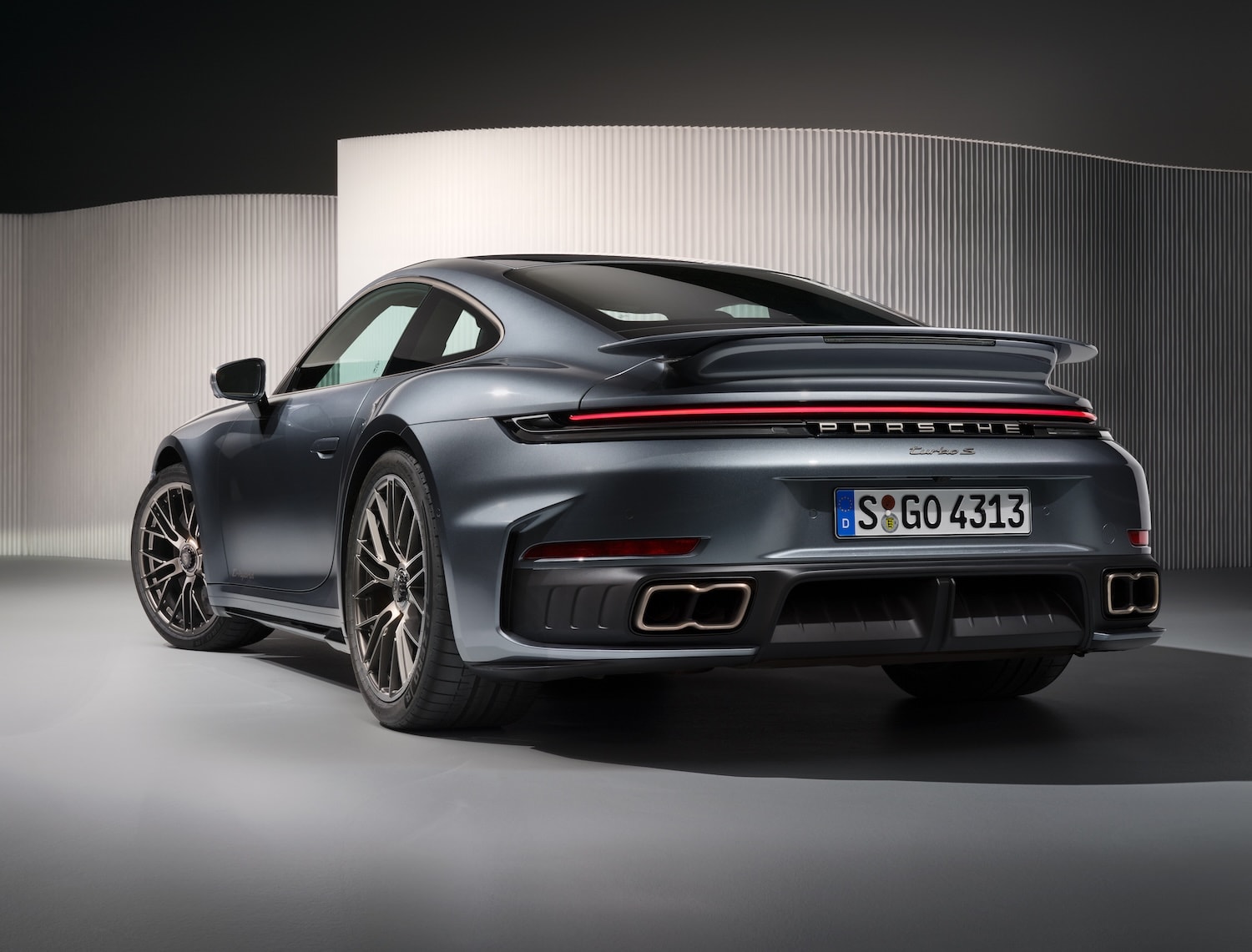
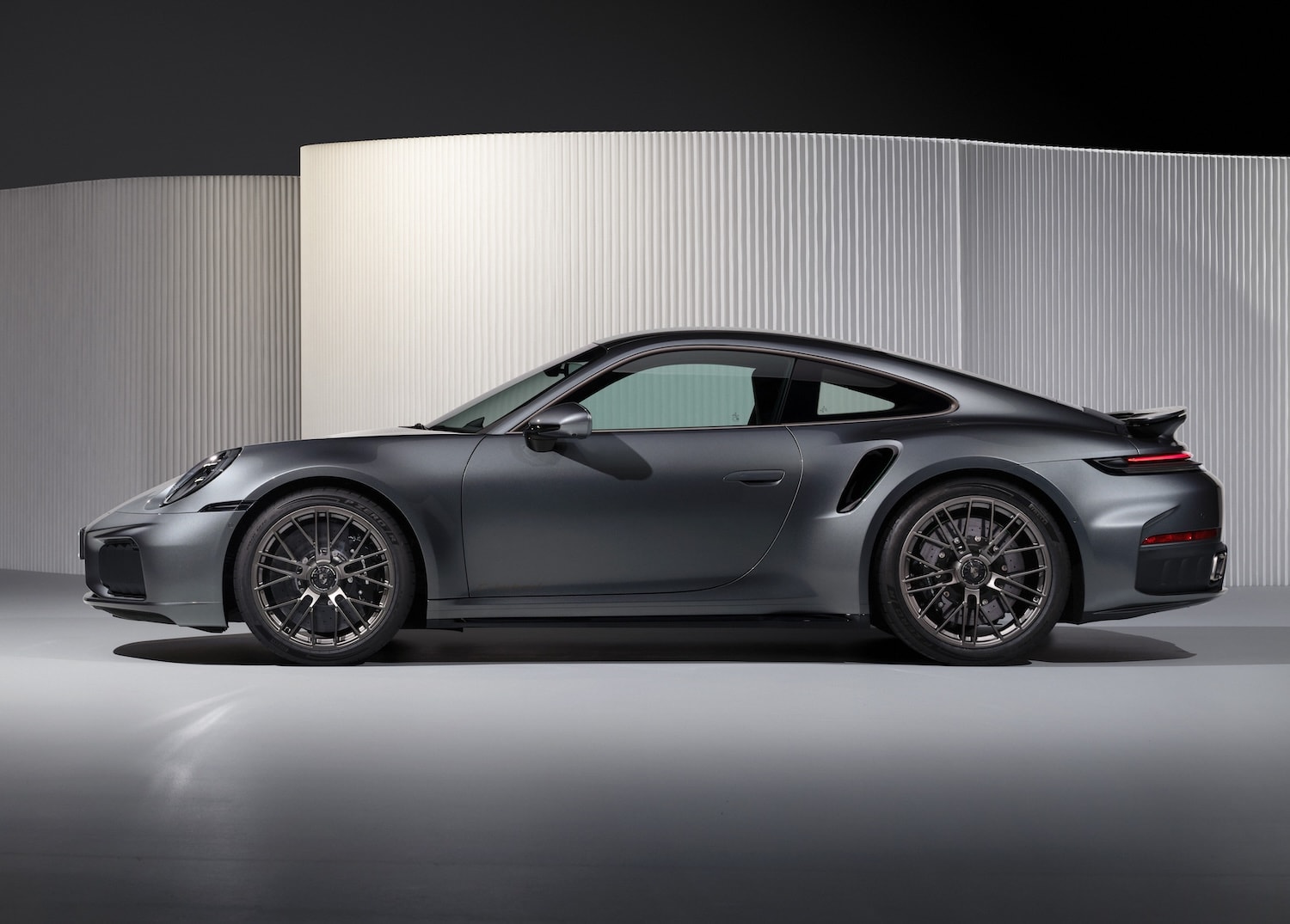
Here is a closer look at the dilemma facing the iconic rear-engine sports car.
The Packaging Problem
The chief constraint preventing the Porsche 911 plug-in hybrid decision is the necessary size of the battery pack. Even offering just a few miles of electric-only range requires a battery too large to fit within the 911’s structure.
| Hybrid Solution | Battery Size Required | Impact on 911 Chassis |
| Current T-Hybrid | Small 400V Battery | Fits perfectly into the same space as the old 12-volt battery. |
| Plug-in Hybrid (PHEV) | Large Battery Pack | Requires dimensional changes and dramatically alters the crucial weight distribution of the 911. |
Porsche’s goal is to ensure the car still feels exactly like a 911. Moser stated, “I do not like the idea of a plug-in hybrid for a 911,” because the engineering team is unwilling to reshape the iconic proportions to accommodate the hybrid hardware. The door remains open only if future solid-state batteries shrink dramatically in size.
The Current Solution and Future Direction
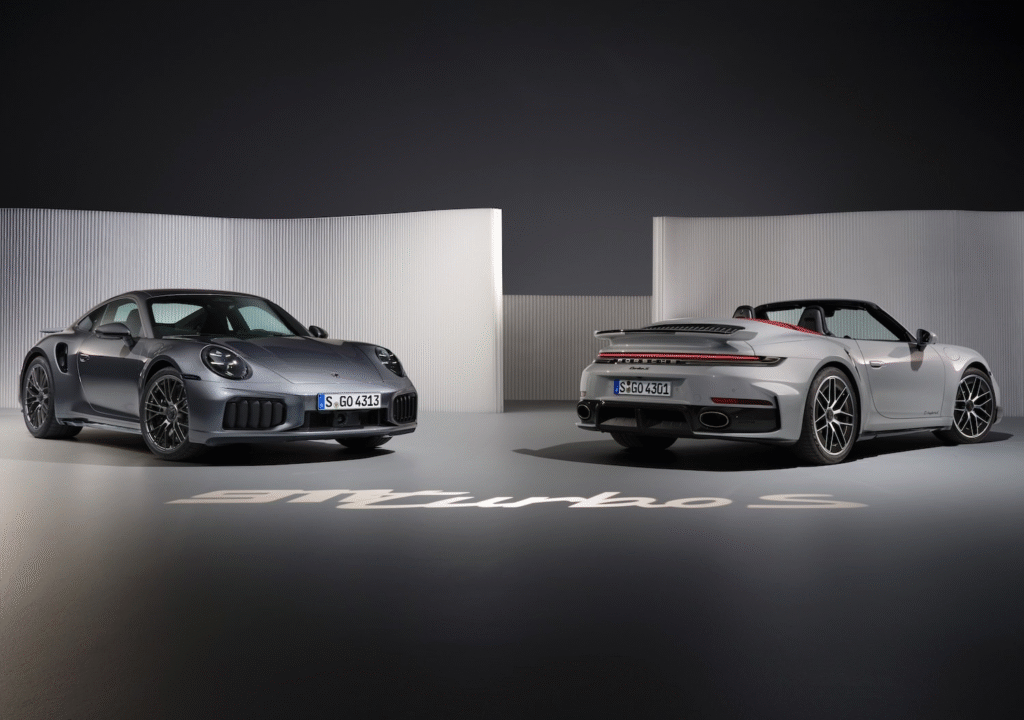
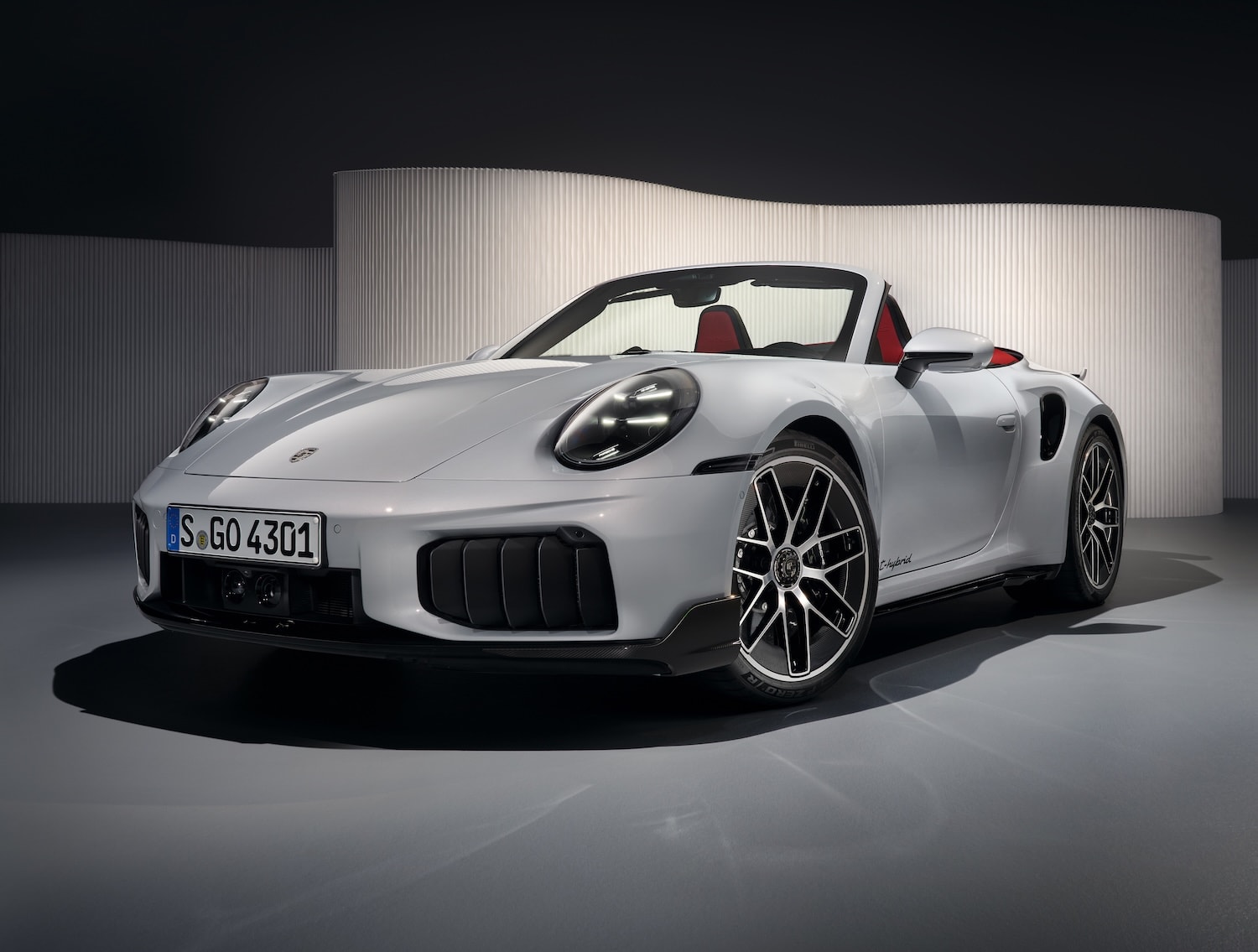
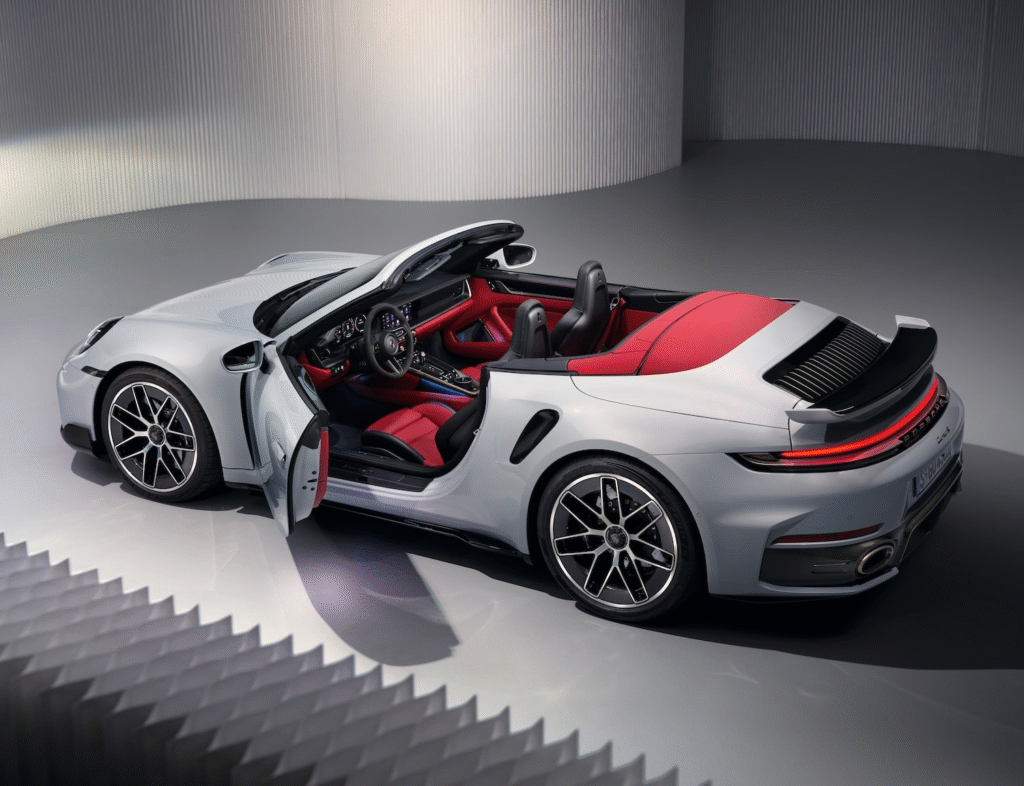
Instead of forcing a plug-in hybrid version onto the 911, Porsche is sticking to its more subtle T-Hybrid setup in the updated 911 GTS and Turbo. This system adds meaningful electric assistance without asking owners to plug anything in.
Meanwhile, Porsche is redirecting its full electrification efforts:
- 718 Successor: The next-generation 718 sports cars (Boxster/Cayman) are slated to go fully electric, allowing engineers a clean-sheet design free of the 911’s legacy constraints.
- Learning from Rivals: Moser admitted that after test-driving the Hyundai Ioniq 5 N, the experience was “eye-opening” and that the team “learnt a lot from that.” Porsche is focusing on how to translate the emotional feedback and feeling of performance into its electric models, ensuring a future electric Porsche is more than just fast in a straight line.
Also Read – Genesis Magma variant for every model Strategy Aims to Rival BMW M and AMG


Pingback: Ferrari F80 V6 Superior To V12 Engineers Confirm Aerodynamic And Weight Benefits