
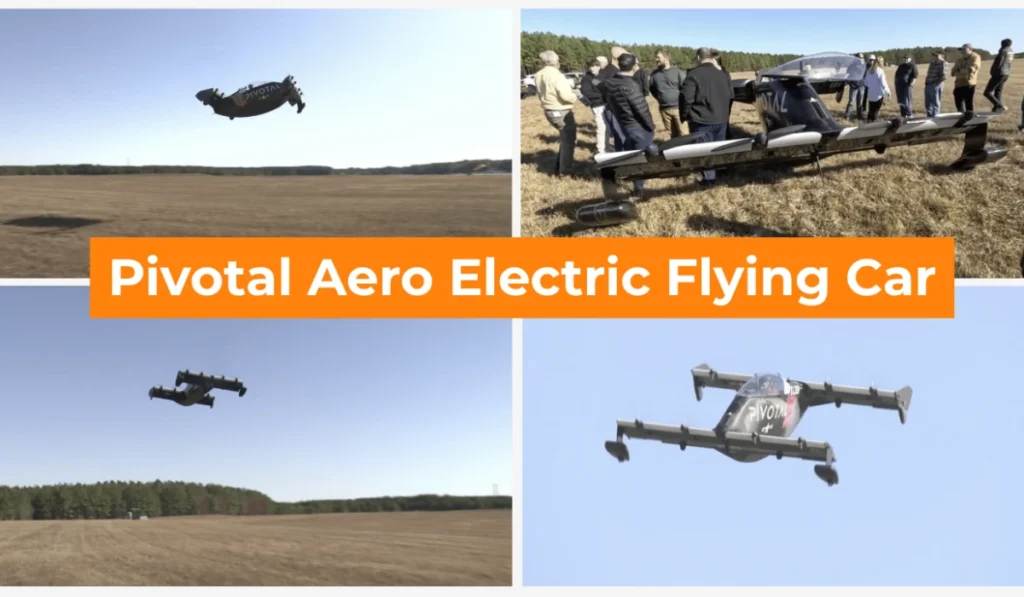

Pivotal Aero Electric Flying Car Completes First Public Test Flight
For decades, science fiction has promised us the ability to soar over traffic, and now a California-based startup is turning that fiction into reality. The Pivotal Aero electric flying car has officially completed a successful public test flight, marking a major milestone in the race for personal air mobility.
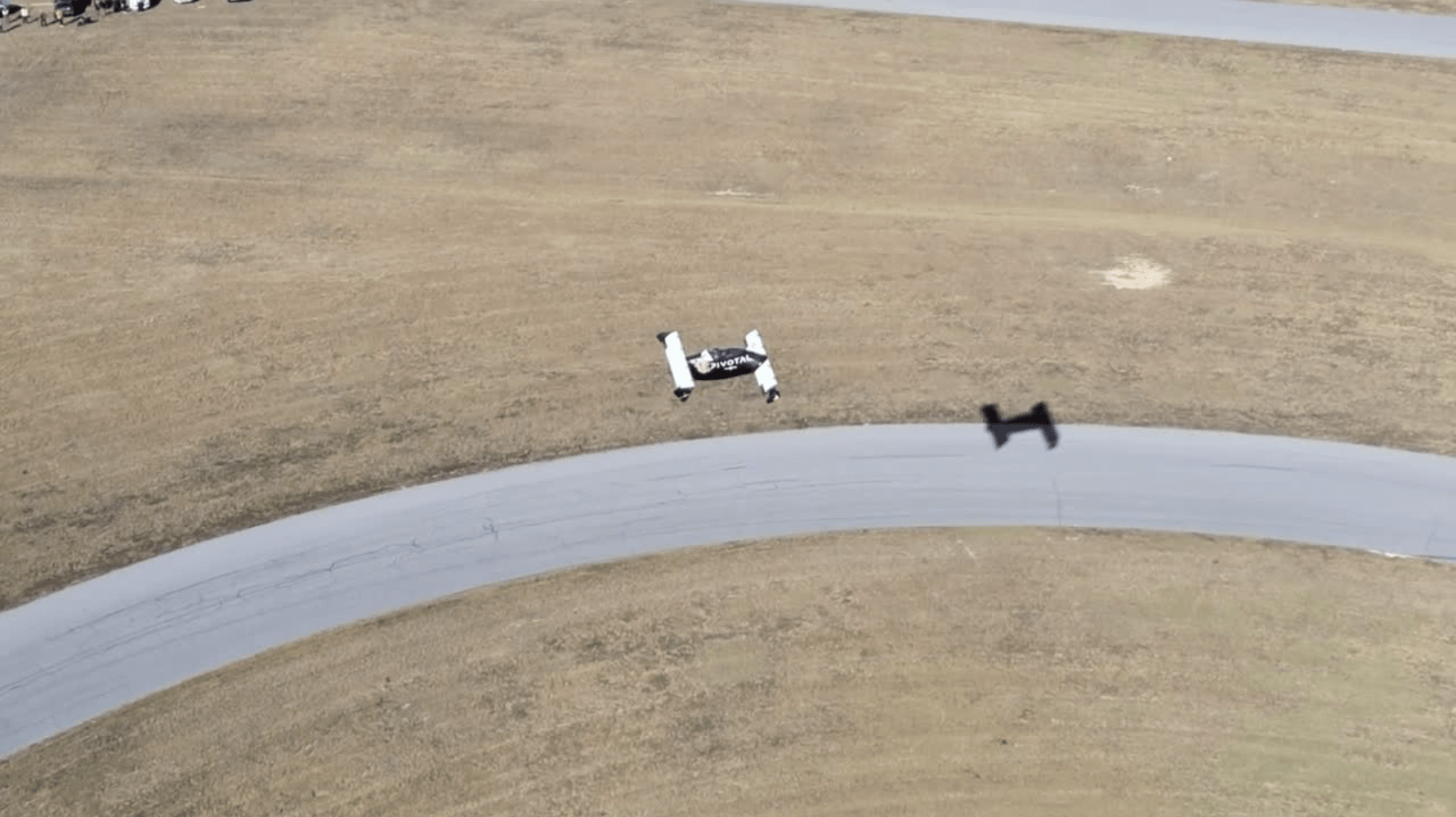
The demonstration took place at the Center for Automotive Research in Northampton County, North Carolina. Unlike computer simulations or scaled-down drone tests, this was a full-scale operation. The single-seat vehicle successfully climbed to an altitude of roughly 150 feet and executed a low-altitude circuit, proving that consumer-oriented aviation is closer than we think.
Here is everything you need to know about this $190,000 machine and what it means for the future of transportation.

Key Specifications: What We Know
The prototype uses a lightweight electric VTOL (Vertical Take-Off and Landing) layout designed for individual ownership rather than commercial fleets.
| Feature | Specification |
| Manufacturer | Pivotal Aero |
| Vehicle Type | Single-Seat All-Electric Flying Car |
| Estimated Price | ~$190,000 |
| Top Speed | ~60 mph |
| Battery Range | ~25 miles |
| Test Altitude | 150 feet |
| Regulatory Class | FAA Ultralight (Restrictions Apply) |
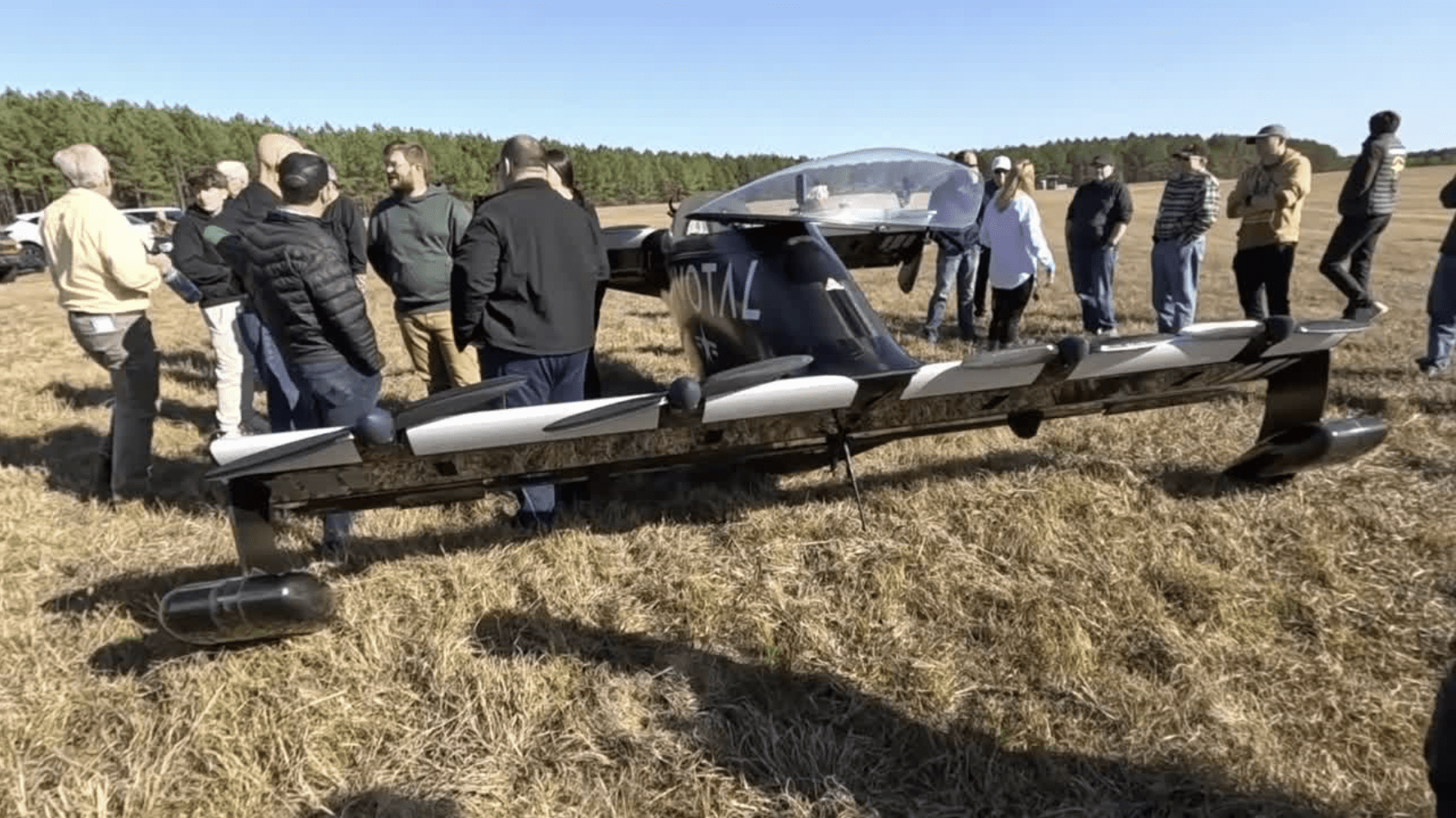
“Everybody’s Going to Have One”
While many companies are focused on “air taxis” (like Uber Elevate concepts), Pivotal Aero is targeting the individual buyer. They view this as a personal sports car for the sky rather than a bus service.
The company’s confidence is high. Following the successful demo in North Carolina, the test pilot boldly claimed, “Everybody’s going to have one.”
However, mass adoption isn’t happening overnight. With a price tag of $190,000, the vehicle is currently aimed at affluent early adopters and hobbyists.

No Pilot License Required? The “Ultralight” Rule
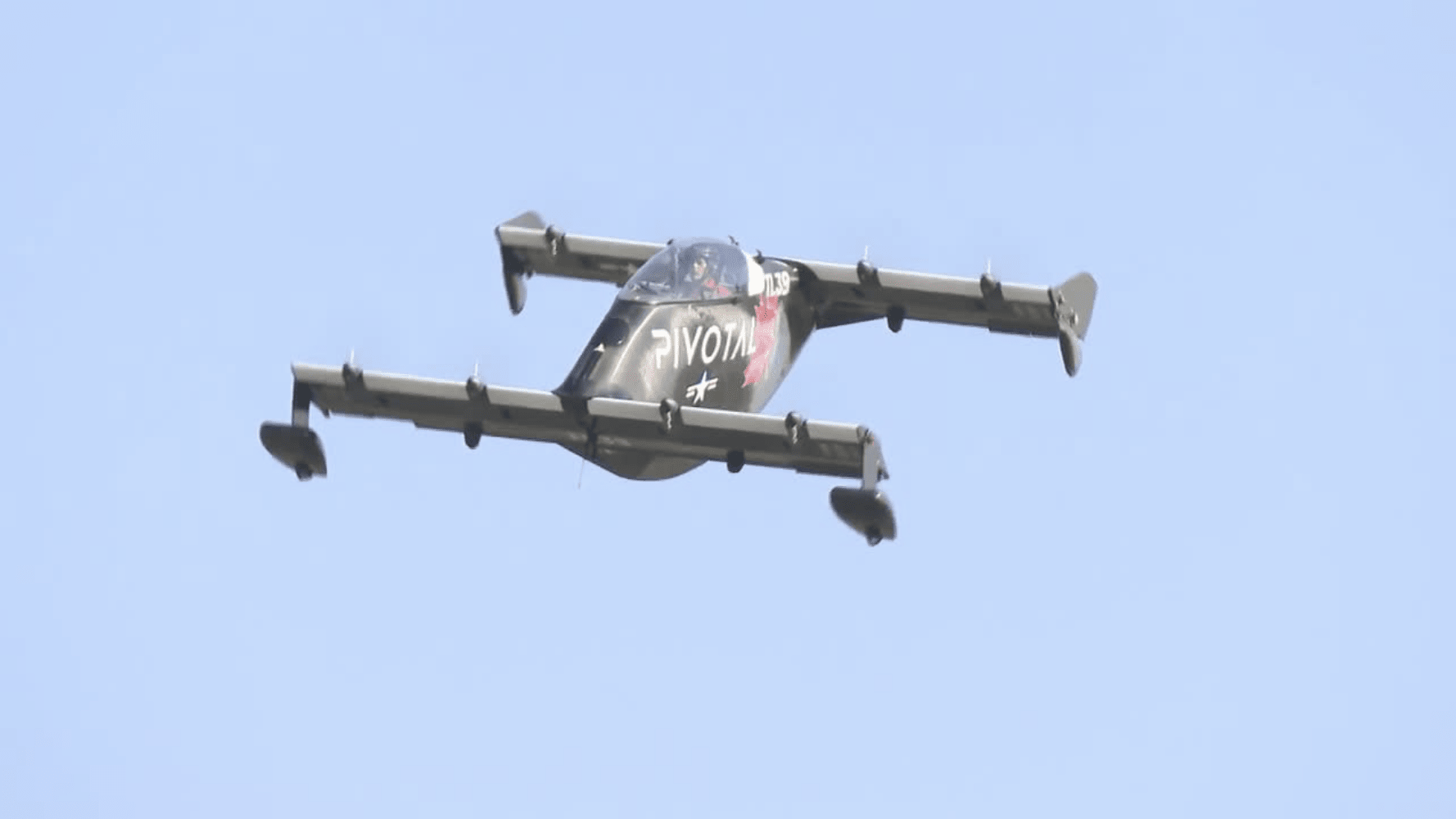
One of the most fascinating aspects of the Pivotal Aero electric flying car is how it fits into current aviation laws. It operates under FAA ultralight-style rules.
This creates a unique loophole:
- No License: Early models may not require a traditional pilot’s license.
- The Catch: Flights are strictly restricted to uncongested areas and daylight hours.
You won’t be commuting into downtown Los Angeles or New York City just yet, but for recreational flying in open spaces, the barrier to entry is surprisingly low.

The Road Ahead
Pivotal’s success comes at a time when interest in personal aviation is skyrocketing, fueled by similar futuristic concepts from companies like Tesla. However, significant hurdles remain.
- Range: 25 miles is limiting for practical travel.
- Infrastructure: We lack the charging stations and “skyports” needed for daily use.
- Safety: As seen with recent eVTOL incidents in China, establishing strict safety standards is critical before these vehicles fill our skies.
Despite these challenges, the successful test flight in North Carolina is a reminder that the line between “car” and “aircraft” is blurring fast. The first wave of all-electric flying cars has officially left the ground.
Also Read – The $300M Battle: Florida Dealer Suing Porsche Over “Retaliation”


Pingback: 1981 DeLorean DMC 12 For Sale: Restored Classic On Cars & Bids
令人惊叹的 旅行博客, 请继续 方向正确。多谢!