
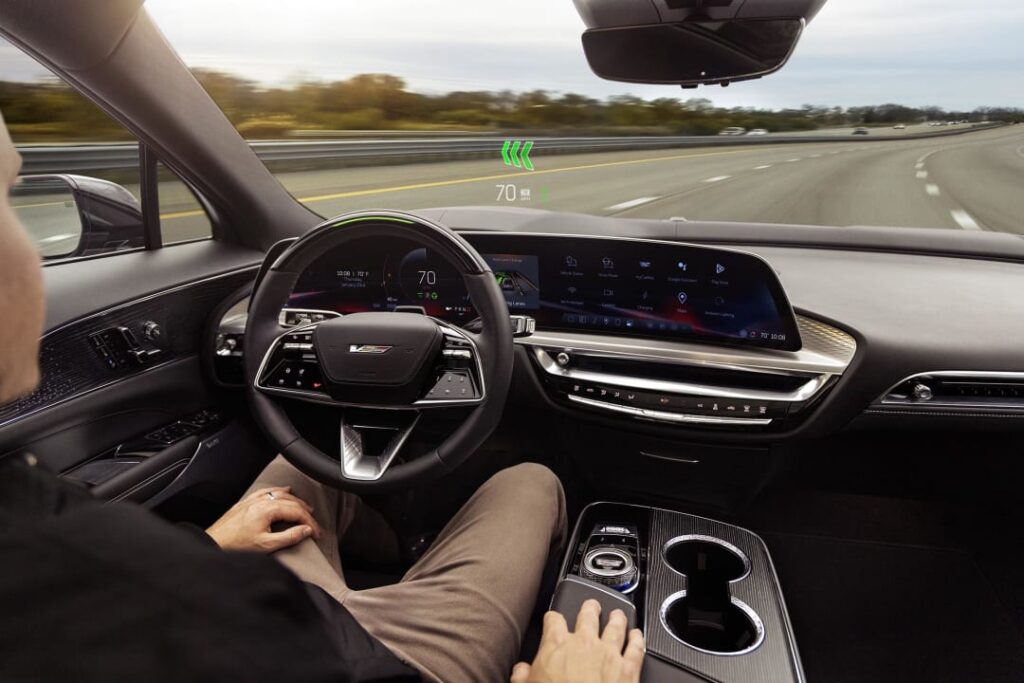

New York car subscription ban Bill Passes Legislature, Targets Heated Seats Paywalls
It’s been more than five years since automakers began making features like heated seats available only through a subscription-based add-on. Now New York is fighting back. A new bill, Assembly Bill A1095, aims to limit how far automakers can go with in-car subscriptions. The New York car subscription ban has passed both chambers of the state legislature and is currently awaiting the governor’s signature to become law.
If signed, the law will do away with the most egregious examples of nickel-and-diming customers for features they already paid to have physically installed in the vehicle.
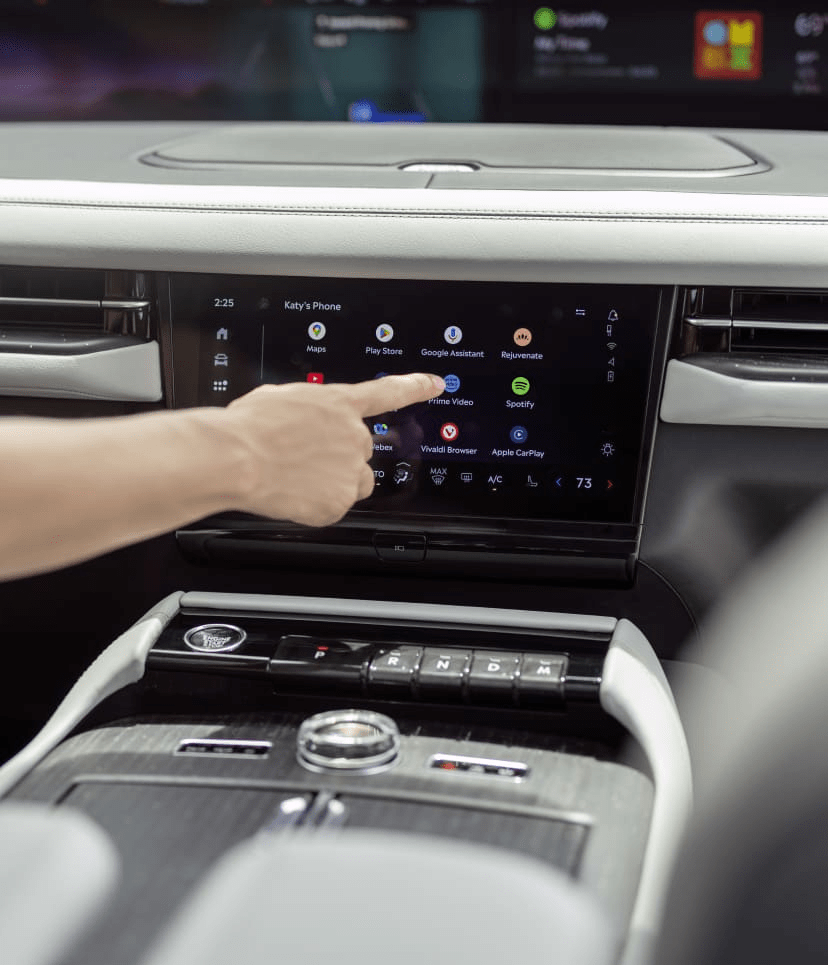
Here is a closer look at what the bill targets, and the major features that remain exempt.
Banned vs. Exempted Features
The core of the bill rests on the distinction between hardware that requires no ongoing support and software that requires active updates and service to function optimally.
| Feature Status | Examples | Legal Status in NY (If Signed) |
| BANNED (Pre-installed Hardware) | Heated Seats, Remote Start Hardware, Climate Control Settings | Automakers cannot subsequently put behind a paywall. |
| EXEMPT (Software/Service-Based) | Navigation, Satellite Radio, WiFi, Autonomous Driving (Autopilot/FSD), Telematics | Automakers can continue to charge a subscription fee. |
The law specifically prohibits automakers from offering subscription services for any feature that “utilizes components and hardware already installed on the motor vehicle at the time of purchase or lease… and would function after activation without ongoing cost to or support by the dealer, manufacturer, or any third-party service provider.”

Why Software-Based Features Are Still Ripe For Exploitation
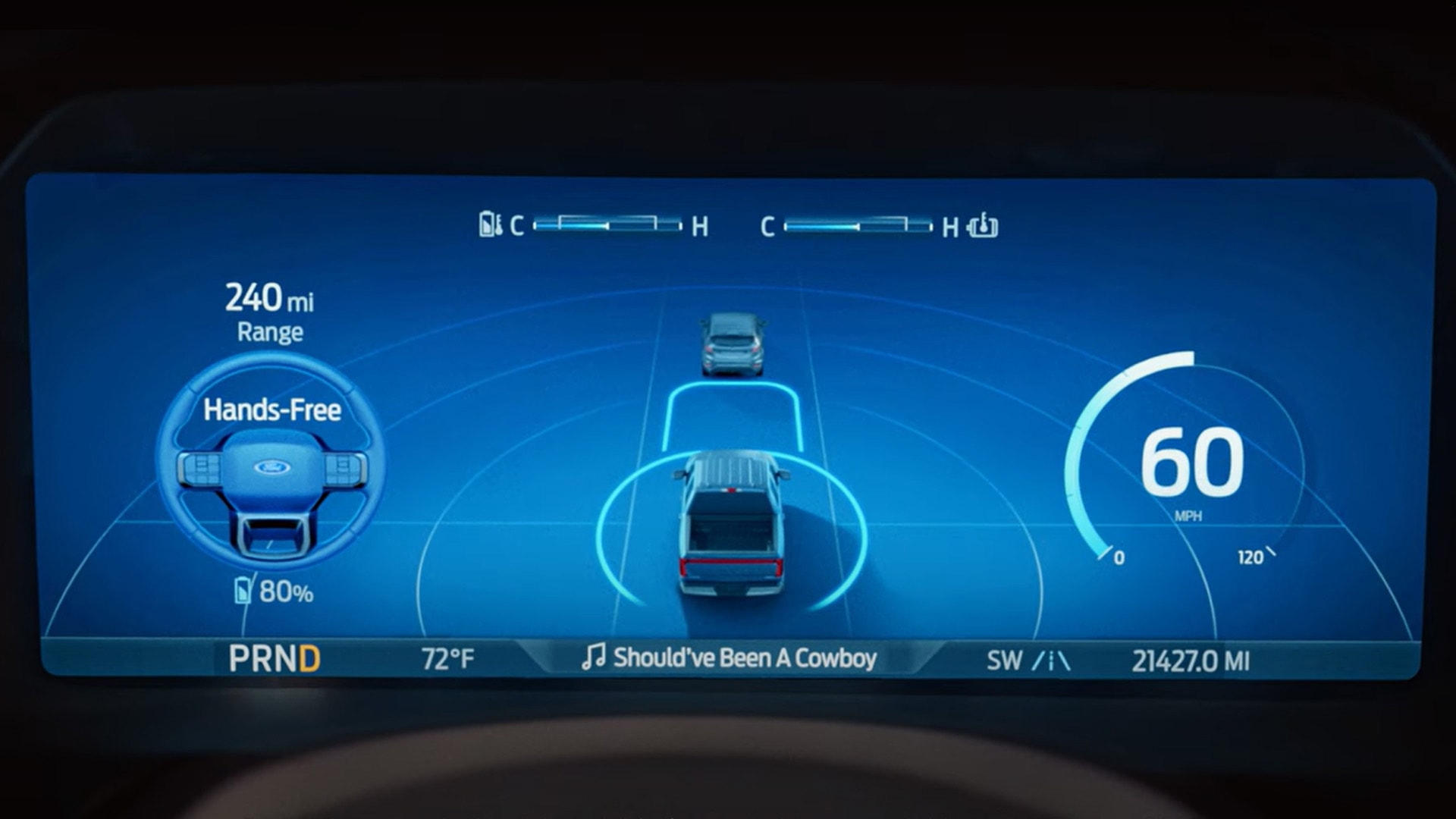
The most advanced and costly systems on modern cars are exempt from the New York car subscription ban because they rely on ongoing over-the-air (OTA) updates and support.
- Navigation and Infotainment: Require constant map updates, traffic data, and security patches, justifying the need for an ongoing fee.
- Semi-Autonomous Systems: Features like Tesla’s FSD or Autopilot require continuous software refinement and data management, making it cost-effective for OEMs to charge a subscription to pay their software engineers and maintain the systems’ safety and viability.
While the new law won’t stop companies like Tesla from charging for FSD or automakers from charging for satellite radio, it does eliminate the practice of putting a physical component—like the heating element in a seat—behind a paywall. This makes the bill a small but significant step toward restoring basic consumer rights regarding pre-installed vehicle hardware.
Also Read – 1977 Porsche 911 track car Features MoTeC Management and 935-Spec Suspension


Pingback: GM China Electric Crossover Design Reveals Innovative Future, Bypassing The U.S.