
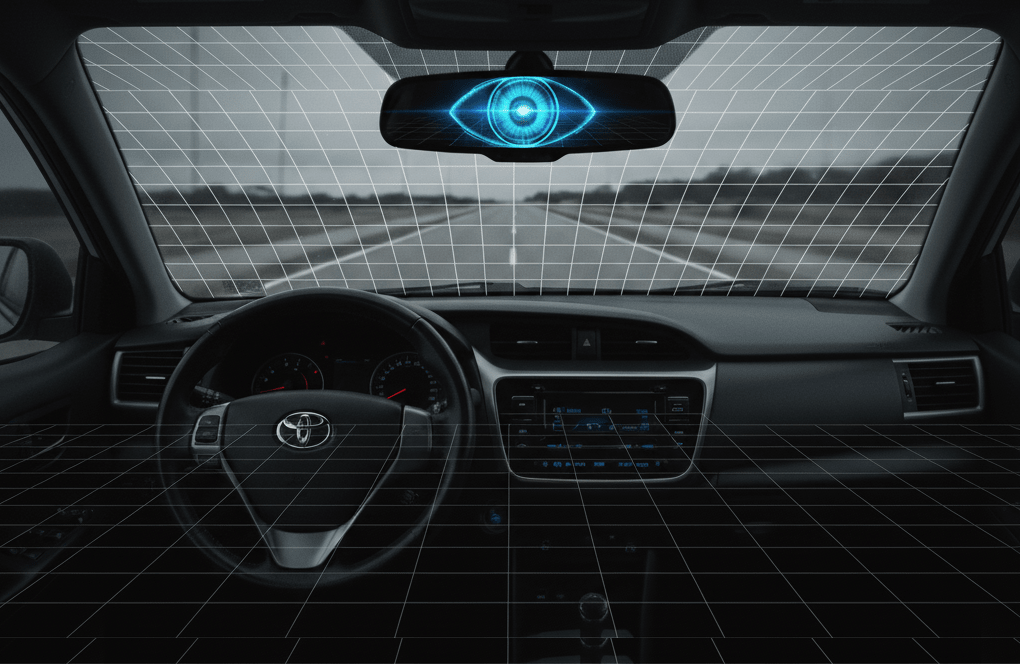

New Toyota driving data patent Reveals Plan to Pay Drivers for “Useful” Car Data
A newly uncovered Toyota driving data patent reveals plans for a system that would compensate drivers for sharing their vehicle’s data. This system, detailed in the patent, outlines a voluntary, permission-based process where Toyota evaluates collected information and pays owners if the data is deemed valuable. This patent suggests a major shift from opaque data collection to a transparent, transactional model.
How the System Would Work
The Toyota driving data patent describes how the car would collect information about trips and send it to Toyota’s servers. The system evaluates if the data is useful—for instance, encountering something unexpected like a pothole or wildlife—and pays the driver accordingly. Mundane, everyday drives might not qualify for payment. The amount you earn would depend on what information Toyota needs at that moment, with prices determined by a constantly updated list.
Participation would be entirely voluntary. The system would ask for permission before any data leaves the vehicle, and drivers could toggle access on or off as they please, or even revoke it mid-journey to keep certain drives private.
Training AI with Real-World Scenarios
The data Toyota seeks would serve a specific purpose: training AI for autonomous driving algorithms and safety systems. Every pothole hit or unusual road condition becomes valuable training material, helping artificial intelligence learn faster than laboratory testing ever could. This crowdsourced data provides access to diverse “edge cases” that would take years to accumulate through traditional testing.

The Bigger Picture of Automotive Privacy
Car manufacturers have been collecting data from vehicles for years, but what they gather and how they use it remains “frustratingly opaque.” Industry estimates suggest this information could generate up to $400 billion annually for automakers by 2030, yet drivers currently have little visibility into who profits from their data.
Toyota’s filing represents a potential shift toward transparency. While most patents are filed to protect intellectual property rather than serve as blueprints, this Toyota driving data patent at least shows the company is considering a future where drivers are compensated for the valuable information their vehicles generate.
Also Read – Porsche 911 GT3 Ocelot: One-Off Sonderwunsch Build Inspired by Amazon Rainforest


Pingback: Incredible 2026 Toyota Hilux Debut – EV, Hybrid & Hydrogen!
Pingback: New Ninth-Gen Toyota Hilux "Travo" Debuts: Still A Big Deal Worldwide - Mechhelp