
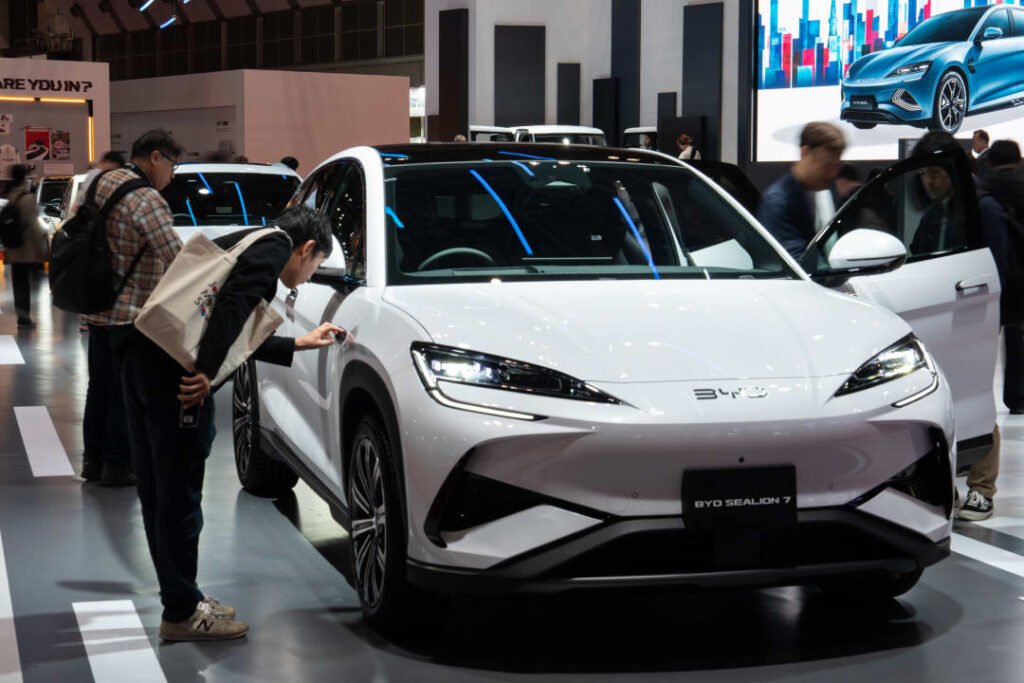

Global Automotive Shift: New Survey Exposes Positive Buyer Attitudes Toward Chinese Cars
New Survey Exposes New Car Buyer Attitudes Toward Chinese Cars, revealing a significant positive shift in consumer sentiment worldwide, according to a report by the Boston Consulting Group (BCG). This attitudinal change, combined with a surge in Chinese car and electric vehicle (EV) exports, paints a vivid picture of opportunity and impending competition for established automakers. While penetration in the U.S. remains low, global trends—especially among younger buyers and amidst declining brand loyalty—suggest a powerful market growth trajectory for Chinese manufacturers, validating warnings like Ford CEO Jim Farley’s that this could be an “existential threat.”
Regional Reception Varies, But Global Interest is Tapped
The BCG survey, which polled over 9,000 car owners and potential buyers across ten countries in mid-2025, highlights dramatic regional differences in tolerance and enthusiasm for Chinese vehicles.
- United States: Only 7% of consumers surveyed would consider purchasing a Chinese-made car.
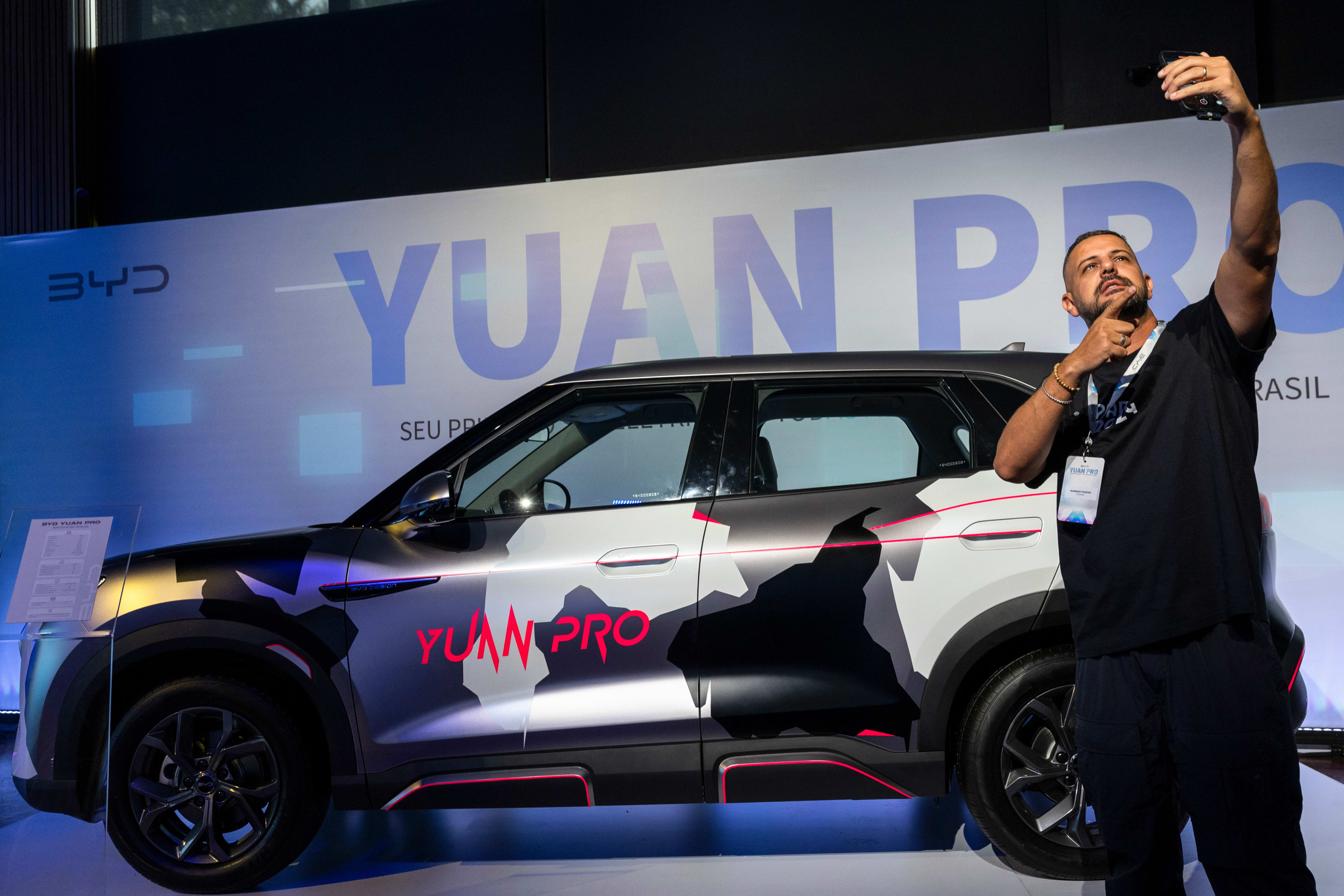
- Brazil (Most Open): Emerged as the most “open-minded” territory outside of China, with 36% of respondents willing to consider a Chinese car. Brazil is ideal for Chinese expansion due to the lack of dominant domestic brands and a consumer priority on cost.
- Europe (Untapped Growth): European consumer interest ranges from less than 10% to 20%. Critically, this interest exceeds the current market reality, where Chinese vehicles hold an average market share of just 4% across the EU, indicating significant untapped growth potential.
- China (Domestic Dominance): Over 85% of Chinese consumers surveyed would purchase a domestically made vehicle, a massive shift from when foreign cars were status symbols. Chinese brands now hold a 69% market share in their home market.
The EV Connection and Surging Exports
The global push toward EVs is acting as a major accelerator for Chinese automotive brands.
- EV Purchase Intent: In the next five years, 73% of Chinese respondents plan to purchase a Battery Electric Vehicle (BEV), compared to approximately 35% of U.S. and European respondents.
- Export Surge: China’s aggressive expansion strategy is visible in export numbers:
- Total Exports: China exported 4.95 million vehicles in the first nine months of 2025 (a 15% increase YoY).
- New Energy Vehicles (NEV): In the same period, China exported 1.76 million NEVs (BEVs and plug-in hybrids), representing an 89% YoY increase.
Declining Loyalty and Demographic Shifts
The survey’s findings point to long-term systemic shifts in Western car markets that favor the Chinese model of prioritizing price and features.
- Declining Brand Loyalty: Overall brand loyalty is declining globally. Even in Germany, where loyalty was traditionally strong, only about half of buyers plan to stick with their current make. In China, that loyalty drops to just 10%, showing that price and features win over the badge on the grille.
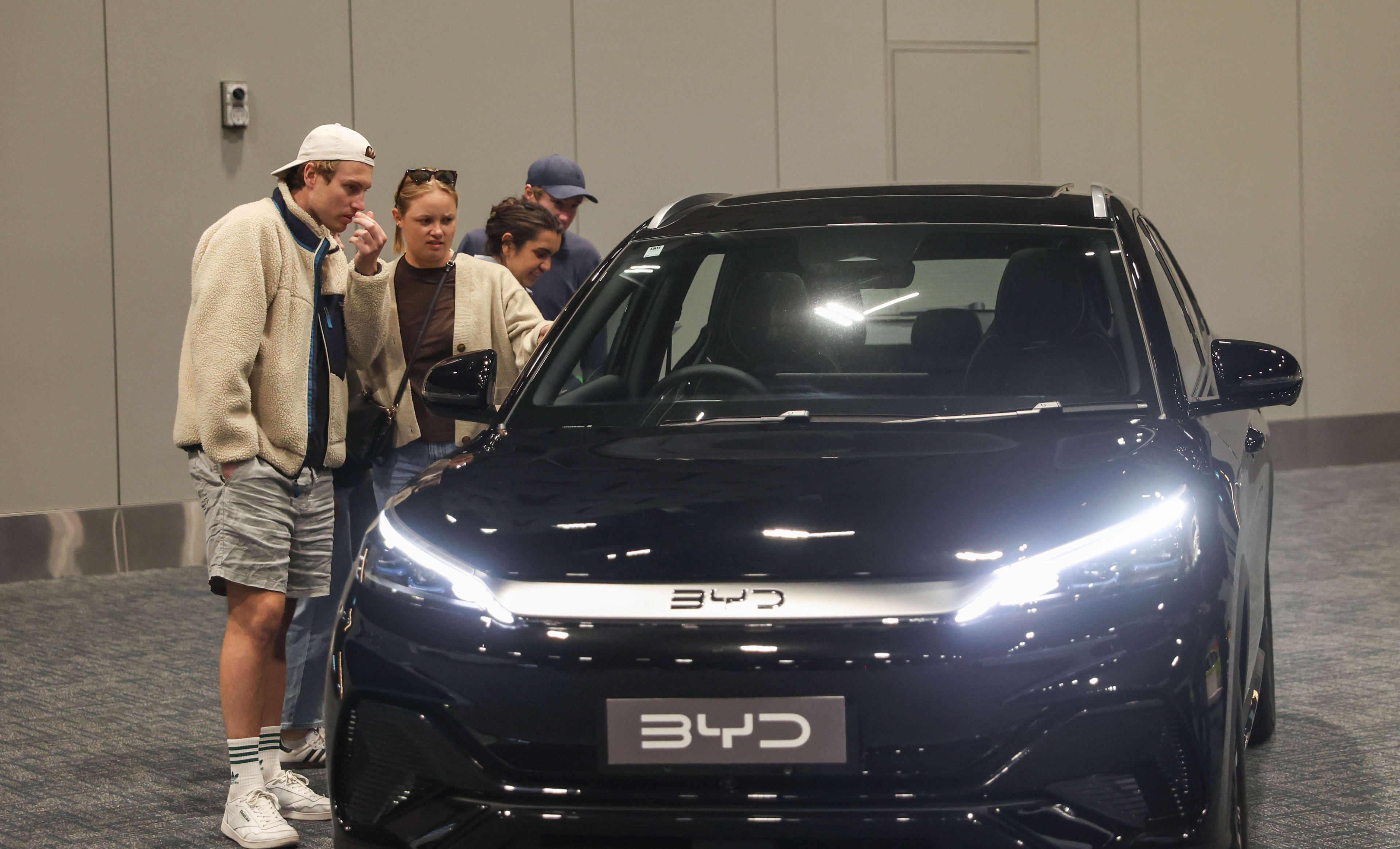
- Generational Divide: Younger buyers everywhere are “way more open” to Chinese brands than their older counterparts. As younger buyers in Western countries reach “market age” over the next decade, this demographic shift could rapidly accelerate adoption.
- Strategic Play: Chinese manufacturers are playing the long game, building infrastructure, leveraging emerging markets like Brazil, and waiting for favorable demographics, suggesting that a Chinese takeover seems inevitable.
Final Thoughts
The BCG survey confirms that the era of easy, badge-driven sales for Western automakers is ending. Chinese manufacturers, armed with highly competitive pricing and advanced electric vehicle technology, are overcoming historical perception barriers. The impending Chinese car market penetration is driven not by luck, but by strategic positioning in the EV sector and the systemic shift in consumer priorities toward value and features. Established automakers must adapt quickly or risk ceding significant market share to this new international competition.
Also Read – BMW iX4 Electric SUV Spied: Upcoming 2027 BMW iX4 Looks More Aggressive Than iX3


Pingback: The Supersports Is Returning Bentley Continental GT: New RWD Model Set For November 14 Reveal With 771+ HP - Mechhelp