


Mazda US import tariffs Lead to $400 Price Increase on 2026 Models
Tariffs on imported vehicles have proven troublesome for automakers, and Mazda is the latest to feel the heat. The Japanese automaking giant recently reported its H1 and Q2 2026 figures, confirming that Mazda US import tariffs have had a “significant impact” on its business, leading to substantial financial losses and a forced price increase on all new vehicles.
The tariff burden has been so heavy that it effectively offset all the profits Mazda earned in the prior fiscal year. To counteract the damage, Mazda is planning to add a moderate price increase to its upcoming model year vehicles—a cost that will now be passed directly to the consumer.
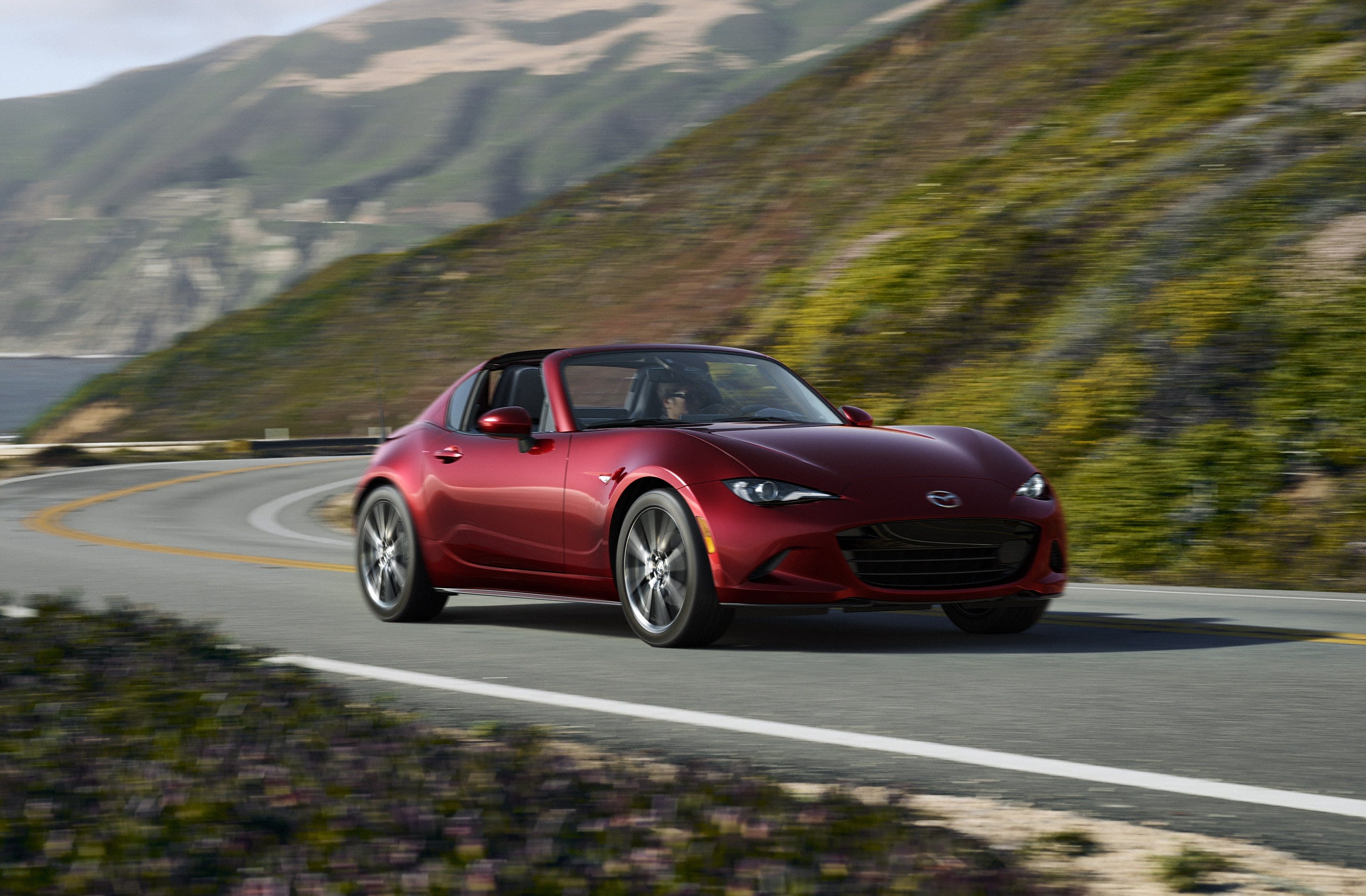
Here is a look at the financial damage and the company’s offset strategy.
The Financial Damage
Despite aiming for a break-even profit in the second quarter of fiscal year (FY) 2026, Mazda posted an operating loss.
| Metric | FY 2026 Q2 Result (July-Sept 2025) | H1 FY 2026 Total Impact |
| Operating Loss | 7.8 Billion Yen | 53.9 Billion Yen |
| Net Loss | 3.2 Billion Yen | 45.3 Billion Yen |
| Direct Tariff Hit (Q2) | 10.3 Billion Yen | N/A |
| Total H1 Tariff Impact | N/A | 97.1 Billion Yen |
Mazda specifically blamed the Q2 operating loss on the implementation of a reduction in Japan-U.S. auto tariffs arriving later than expected (September 16, instead of August 1). This single delay caused a 10.3 billion yen hit, which more than explains the quarterly loss. The high rates—a blend of 27.5% and 15% on exports from Japan, and 25% on exports from Mexico—have reduced profits by a staggering 97.1 billion yen in the first half alone.
The Price Offset Strategy
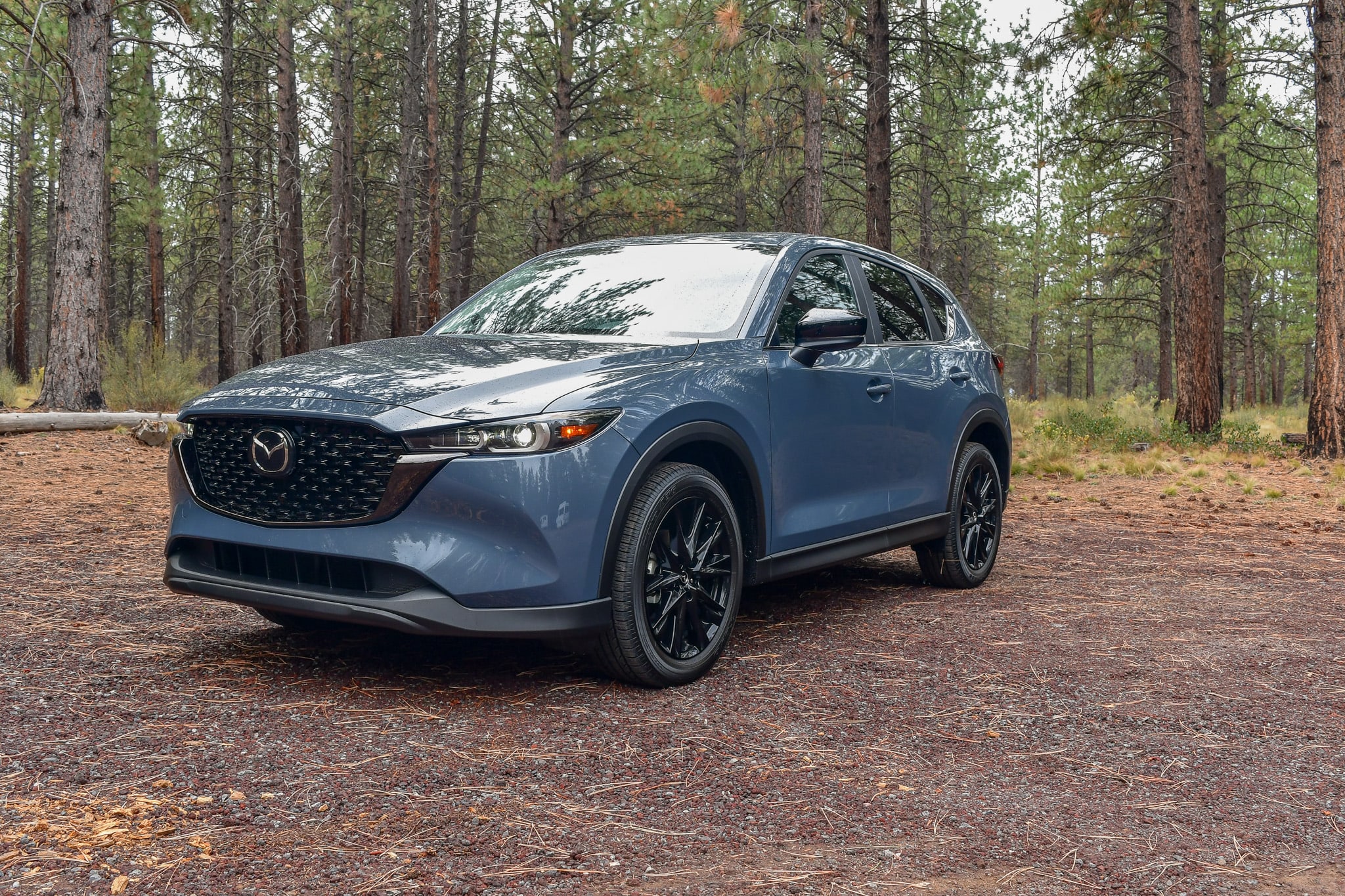
To offset the financial damage caused by the Mazda US import tariffs, the company is now adding a small price increase to its new models, starting with model year 2026 vehicles.
- Price Increase: Mazda is adding $400–$700 to the price of its cars, with the average increase sitting around $550 per unit.
- Goal: This moderate increase is designed to improve profit margins without pricing its vehicles out of their designated competitive categories. Mazda believes this figure will allow it to still be seen as a value brand by buyers.
- Forecast: If Mazda achieves its full-year sales goal of 1.3 million units, the average $550 price increase could generate an estimated 112 billion yen in additional revenue.
While Mazda’s sales growth in North America has remained encouraging, its overall strategy involves tinkering with the volume and product mix (prioritizing higher-margin SUVs like the CX-90) and continuing efforts to reduce costs to achieve a 20 billion yen net income for FY 2026. This aggressive strategic pivot highlights how trade policy is reshaping automaker strategies globally.
Also Read – Honda Integra Targa Concept Unveiled by GAC Honda in China


Pingback: ICaur V27 745-mile Range Revealed: Defender Lookalike Uses Range Extender