
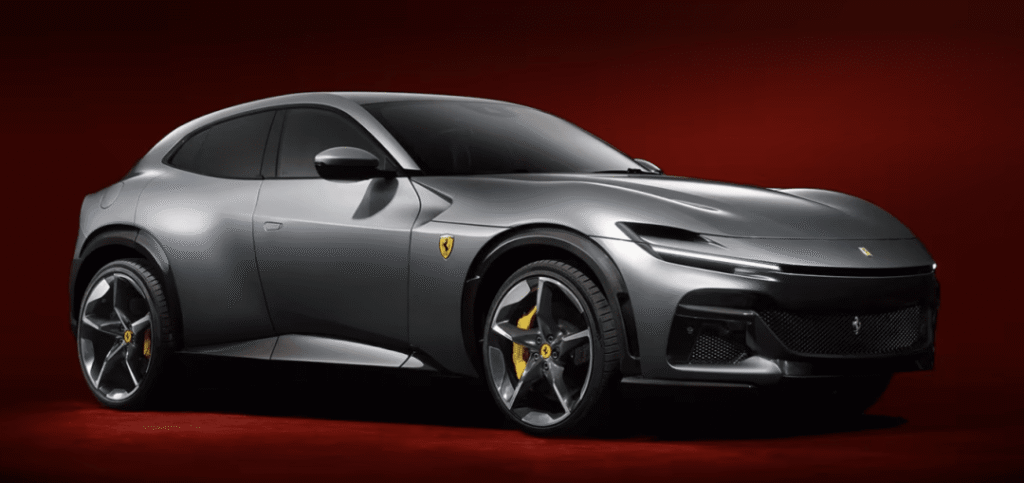

Shocking Luxury Brands EV Strategy – Ferrari & Porsche Back Off!
You keep seeing the headlines: “EV demand is fading!” But the math says the opposite, with global EV sales smashing 17 million in 2024. So why is the new Luxury Brands EV Strategy from companies like Ferrari and Porsche to suddenly pump the brakes? We’re seeing a massive tug-of-war between record-breaking sales and heritage brands tapping out of the EV race. This shift is going to define the car you buy next.
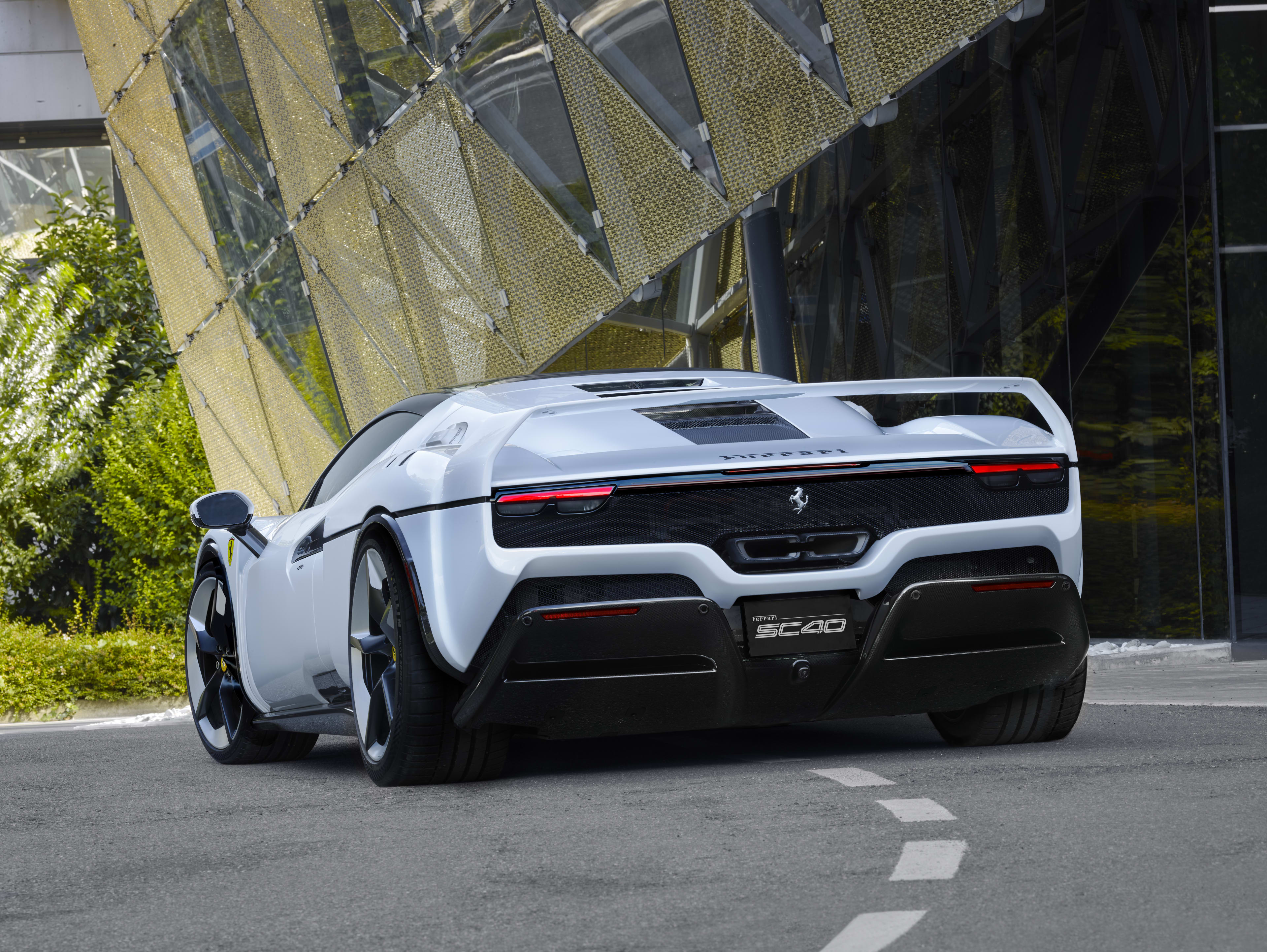
EV Sales Are Booming. So Why the Panic?
Let’s get one thing straight: the EV market is not “dying.” The idea is a myth. According to the International Energy Agency’s latest Global EV Outlook, the market is on fire:
- 17 million EVs were sold globally in 2024.
- That’s a 25% increase in a single year.
- More than 20% of all new cars sold worldwide are now electric.
This is not a stall; it’s a rocket ship. The “fading demand” narrative is just noise. The real story is how legacy, high-performance brands are reacting to this new reality—and they are terrified of losing what makes them special.
Ferrari’s New Luxury Brands EV Strategy: Protecting the Theater
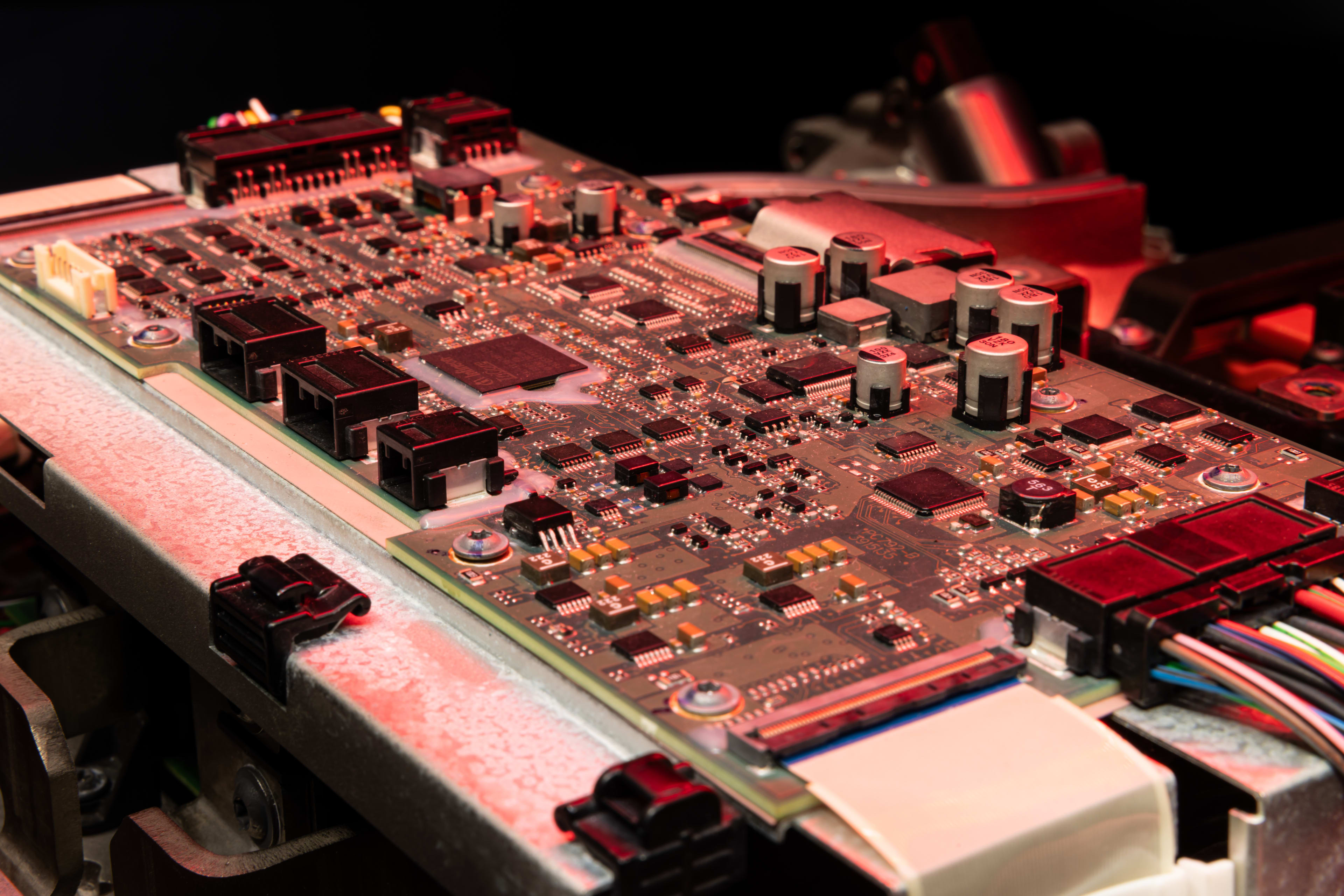
Ferrari is the perfect example. The company has finally shown the hardware for its first-ever electric car, the Elettrica, with deliveries starting in late 2026.
But at the same time, it told investors it’s cutting its 2030 EV plans in half. The old plan was 40% full-EV. The new plan? Only 20% EV, with 40% hybrid and 40% still pure internal combustion.
This move is loud and clear. Ferrari is not chasing the EV volume game. It is protecting the theater. It’s protecting the V12 shriek, the visceral feel of a gear change, and the whole emotional ritual of a gas-powered supercar. They’ll sell one EV to prove they can, but they are keeping the V12s for the loyalists who care more about sound than charging speed.
Porsche’s Big Hedge: Walking Back the 80% Target
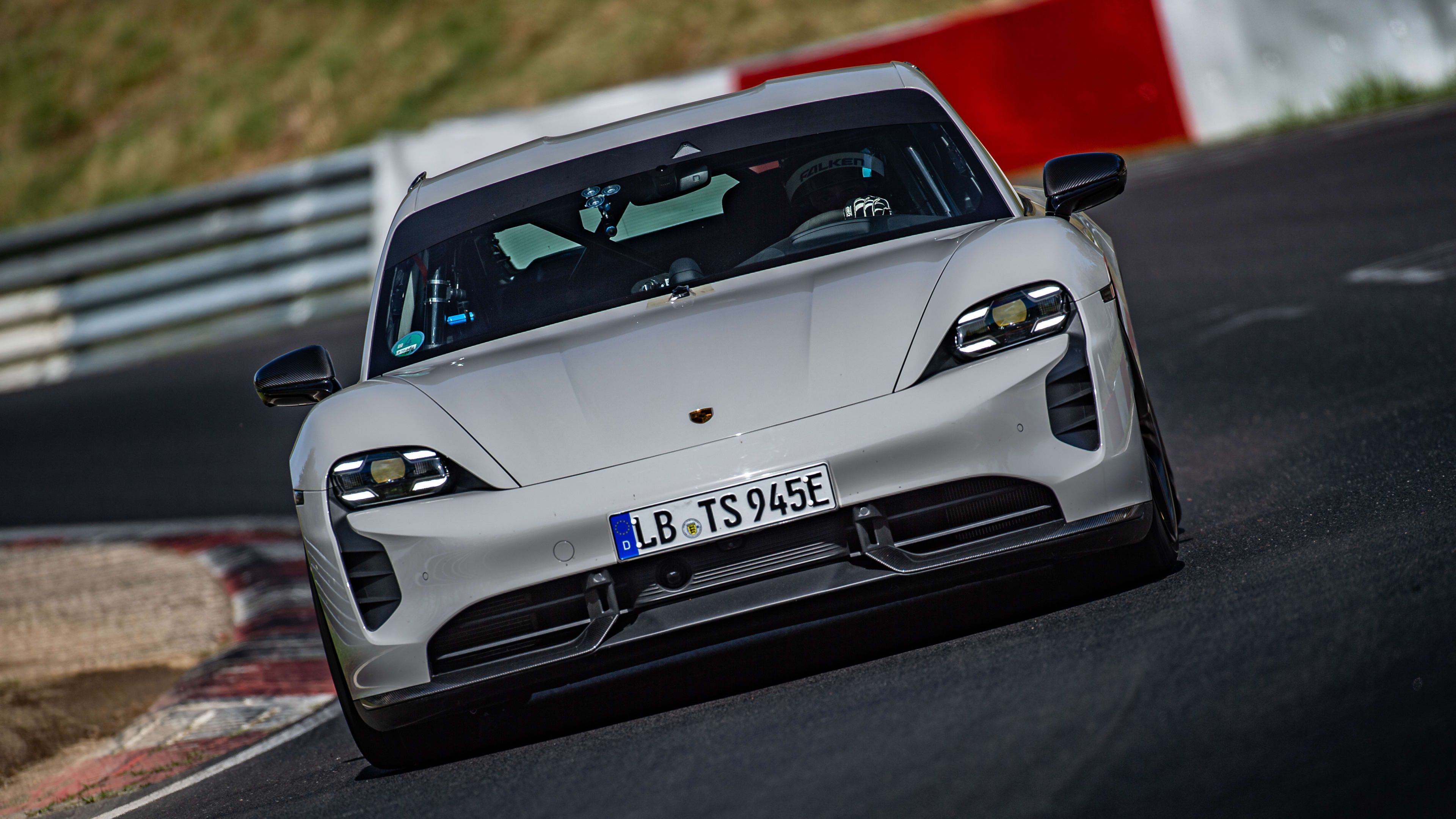
Porsche’s move was quieter but just as significant. The company used to have a bold target: more than 80% of its sales would be all-electric by 2030.
In 2024, they softened that goal. A lot. The company now says it could reach 80% if demand and the market support it. They openly admit the transition is taking longer than they thought.
That hedge matters. It means Porsche is protecting the 911 at all costs. While they will push the Taycan and Macan EV, they are keeping their turbocharged gasoline hardware alive, supported by plug-in hybrids and heavy investment in e-fuels. They looked at an all-or-nothing EV future and blinked.
Toyota’s “Smartest Move”: The Multi-Pathway
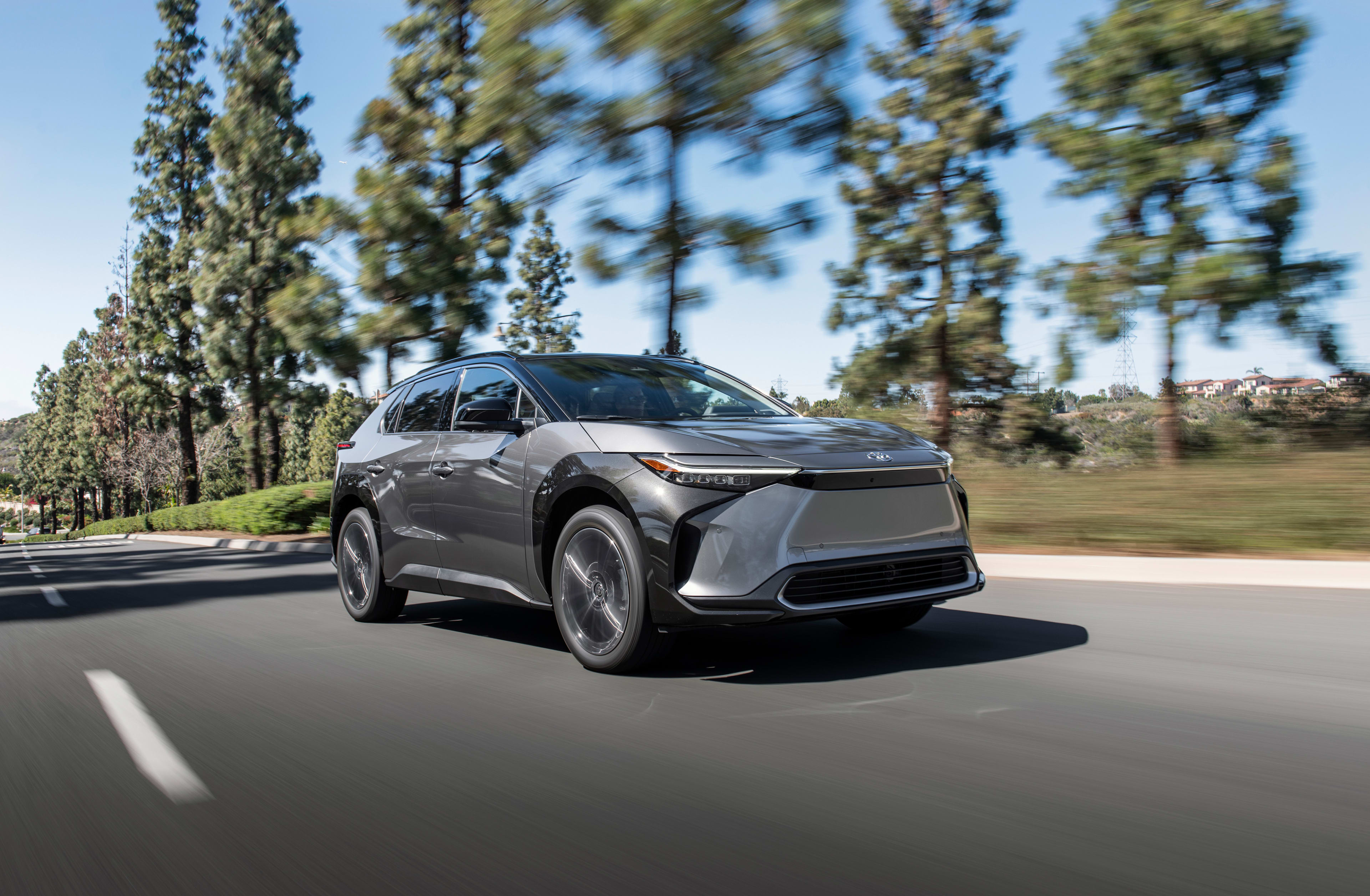
Then there’s Toyota. The brand that was mocked for being “behind” on EVs now looks like the smartest one in the room. Toyota watched the same boom and picked a calmer, “multi-pathway” strategy.
This means a mix of battery EVs, plug-in hybrids, regular hybrids (which they dominate), and even hydrogen fuel-cell cars. This isn’t an “anti-EV” stance; it’s a practical one. It allows them to sell the right drivetrain for the right market—cheap hybrids for cities with weak charging, and full EVs for places where plugs are everywhere.
Expert Analysis: What This Means For Your Next Car
This is where the story lands in your driveway. The new Luxury Brands EV Strategy from Ferrari and Porsche is not a sign that EVs are failing. It’s a sign that the market is splitting.
These are not “daily driver” brands; they are “dream garage” brands. Their new strategy is about selling emotion, sound, and nostalgia to a small, wealthy segment that demands it. For them, a silent EV is a bug, not a feature.
Daily Drivers vs. Dream Garages
The EV war is already being won in the segment that matters most: the daily driver. Family crossovers, commuter sedans, and work trucks are all sliding toward electric power. Why? Because for a daily-use vehicle, the EV “pros” are unbeatable: they’re quicker, smoother, quieter, and cheaper to run.
What these luxury brands are really telling us is this:
- Your next everyday car is still very likely to be an EV or a powerful hybrid.
- The gas engines that survive will live in fantasy garages, fed by e-fuels and nostalgia, and driven by people who want the full soundtrack.
Conclusion
The EV boom is real, and it’s accelerating. The Luxury Brands EV Strategy we’re seeing from Ferrari and Porsche isn’t a U-turn; it’s a strategic retreat to protect their niche. They are willingly giving up the daily-driver market to focus on what they do best: building loud, emotional, gas-powered dream cars.
For the 99% of us, the future is still electric. The 1% just gets to keep its V12 soundtrack.
What do you think? Is Ferrari right to protect its V12, or are they just delaying the inevitable? Share your thoughts below!
Also Read – ABT Audi SQ5 Upgrade Unleashes 435 HP – Is This the Missing RS Q5?


Pingback: This Massive Jeep 4xe Recall Involves Self-Destructing Engines!