

Teardown Exposes Why This 144K-Mile Hyundai Veloster Turbo Engine Failure Was So Catastrophic
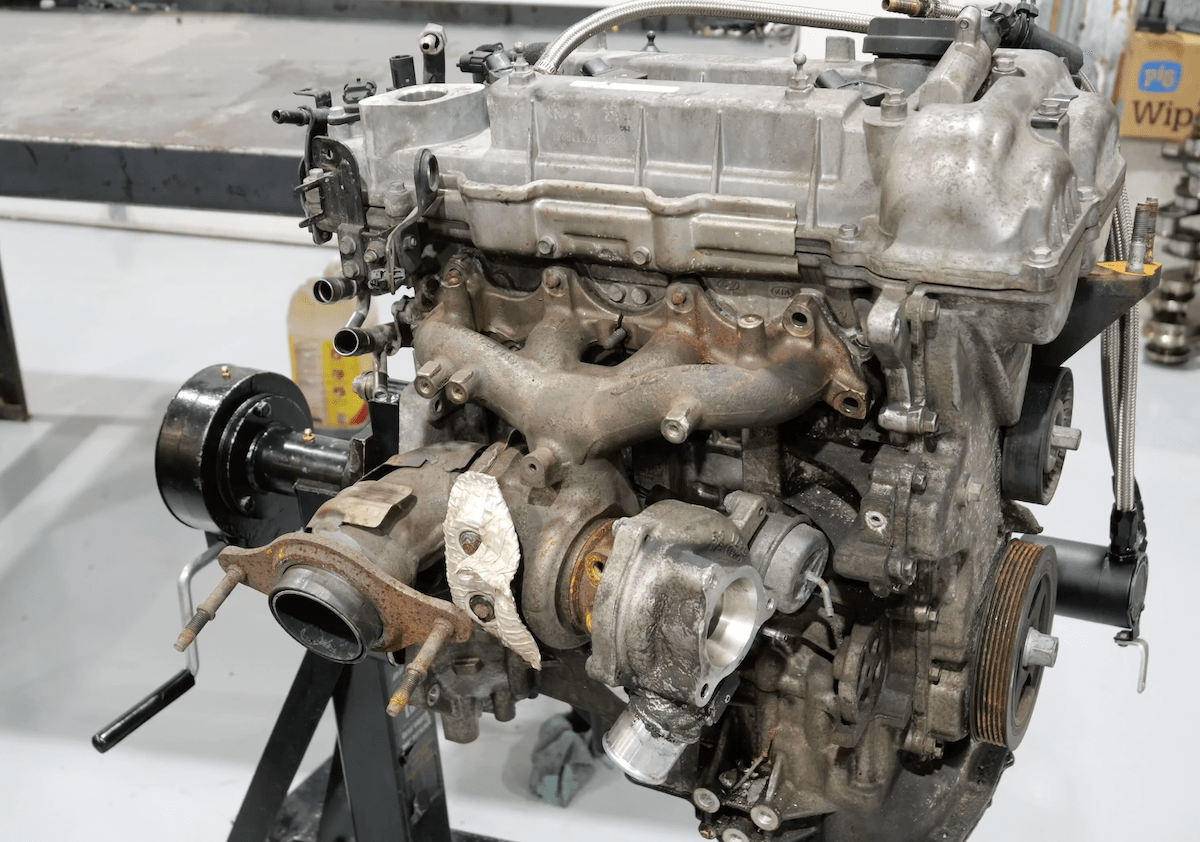
A recent teardown exposed a catastrophic Hyundai Veloster Turbo engine failure, providing a stark warning to the tuning community. The 1.6-liter turbocharged Gamma engine is a favorite for its responsiveness and easy power gains over its 201 hp factory spec. However, a 2013 Veloster Turbo with 144,000 miles, analyzed by YouTuber “I Do Cars,” shows what happens when enthusiasm exceeds mechanical limits, resulting in a “hole in the block” and total internal destruction.
The Catastrophic Internals
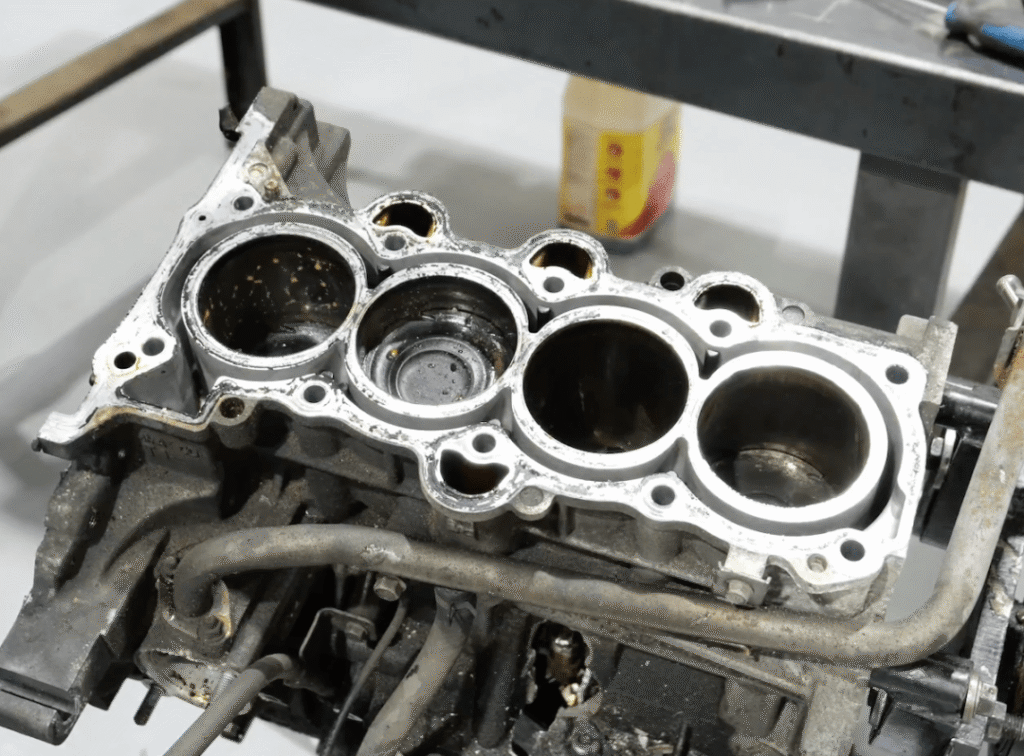
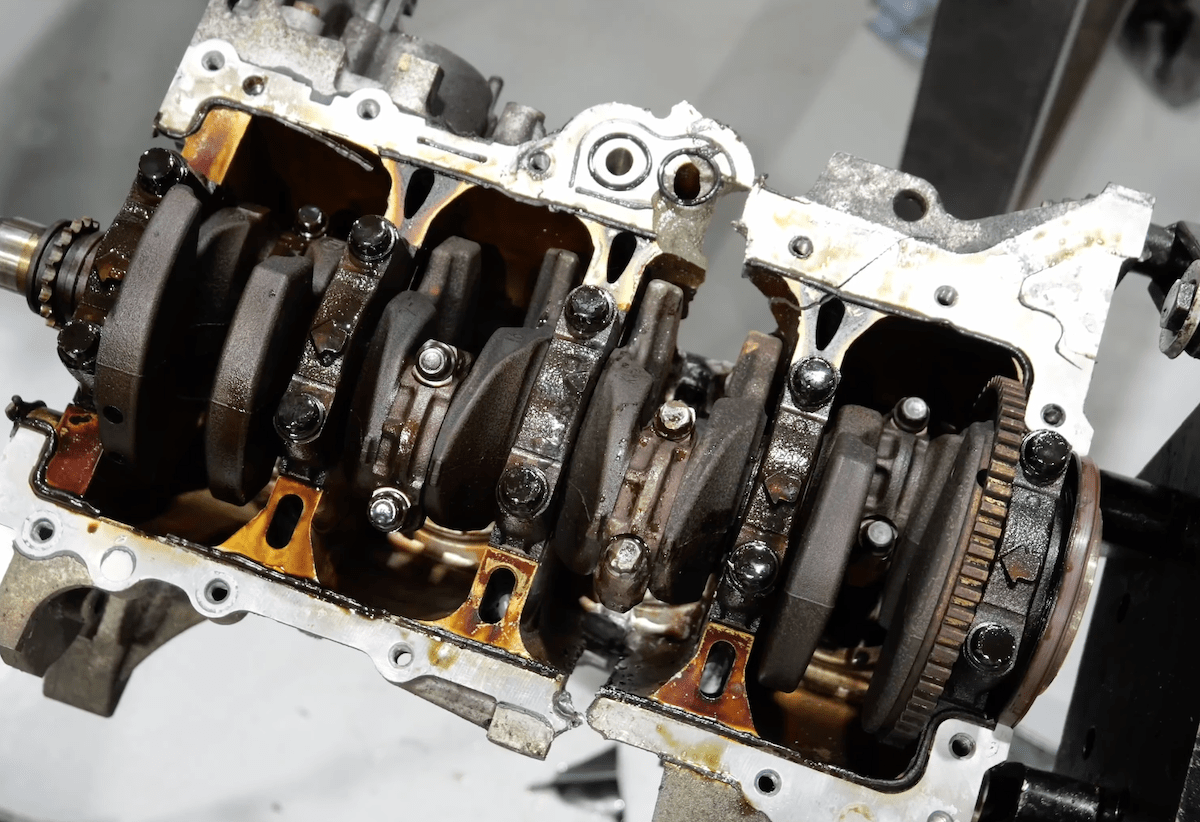
The engine arrived in what the host called “inspection port condition” – a hole so large in the block you could see daylight through it. That was just the start.
- Piston Exit: The piston from cylinder three had completely exited the engine, leaving behind a gaping void.
- Internal Shrapnel: The oil pan was smashed nearly in half and contained mangled connecting rods and pieces of the piston skirt.
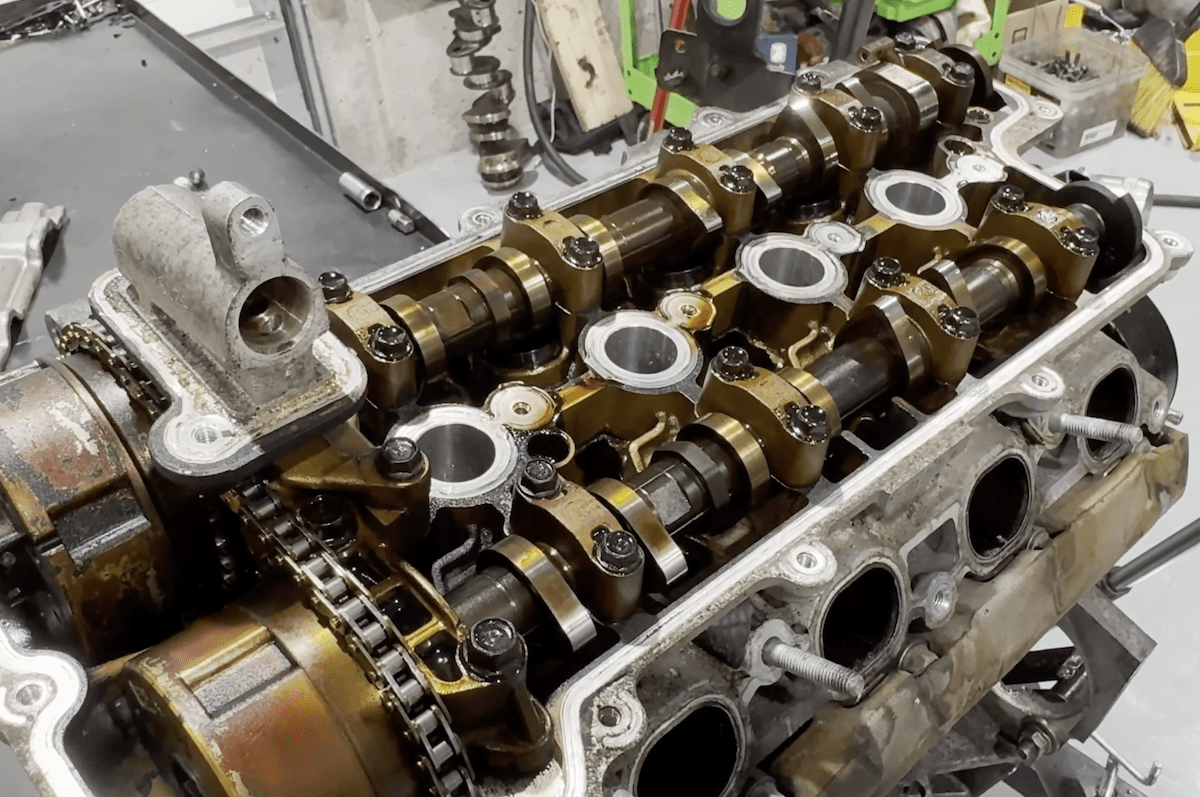
- Signs of Neglect: The valve cover hid heavy varnish and sludge, indicating poor maintenance and long oil change intervals.
The Cause: Overtuning and Neglect
Despite the carnage, the teardown revealed that this specific Hyundai Veloster Turbo engine failure was likely self-inflicted rather than a simple manufacturing flaw.
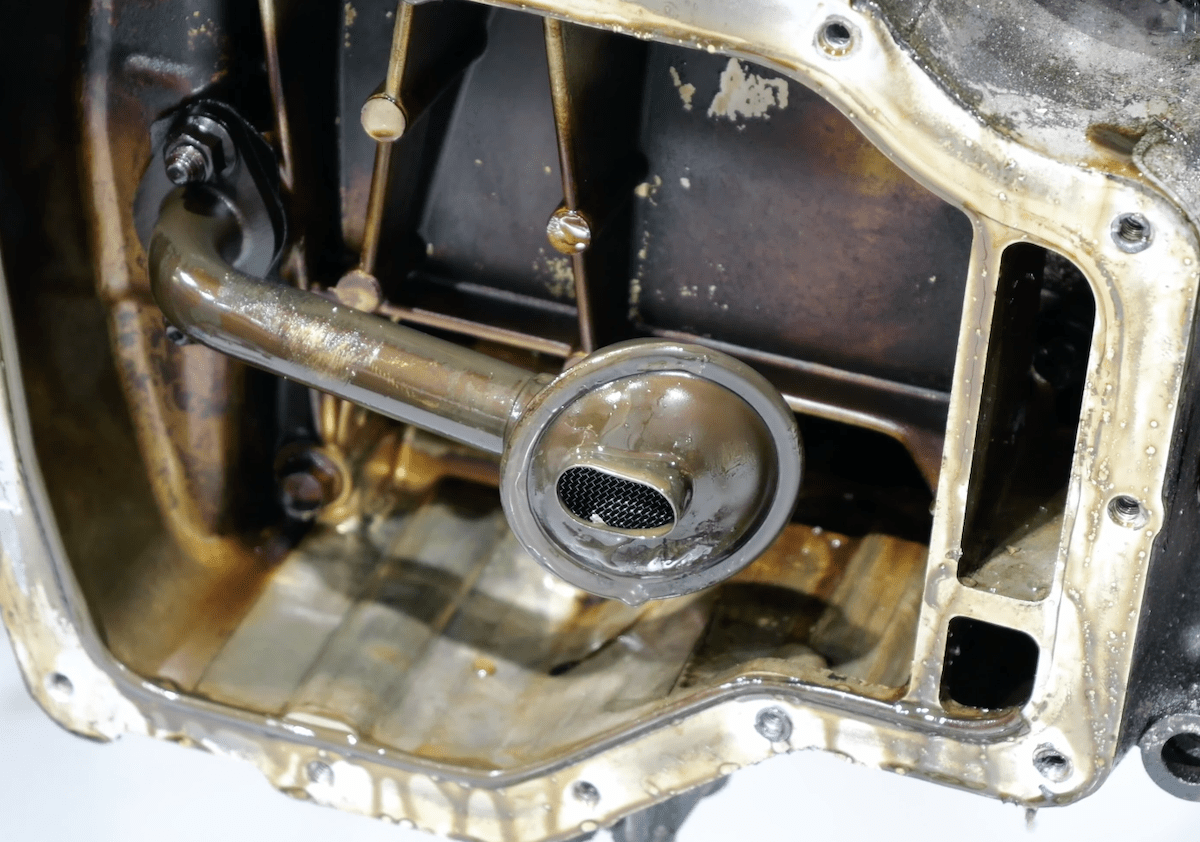
- No Oil Starvation: The bearings and oil system looked “surprisingly healthy,” ruling out oil starvation as the primary culprit.
- The Likely Cause: The failure was most likely a “violent over-rev” at high RPM. This, combined with “half-finished mods” and signs of neglect, suggests the engine was pushed far beyond its mechanical limits by an ambitious but careless owner.


How to Keep a Tuned Gamma Engine Alive
Tuning the Veloster’s Gamma engine isn’t inherently risky, but it requires care. Tuners suggest staying within realistic power targets—around 250 horsepower without internal upgrades—to preserve reliability. Pushing beyond that requires costly internal upgrades, which are still more economical than replacing an entire engine block.
Regular oil changes with high-quality synthetic oil are essential, as turbocharged engines generate more heat. As this teardown showed, a Hyundai Veloster Turbo engine failure is a brutal reminder that even the most promising power plant will self-destruct if pushed too far without proper care.
Also Read – Tesla Rental Program Launches: Rent a Tesla for Just $60 a Day


Pingback: Banned No More: 2026 Dodge Durango SRT Hellcat Outsmarts California And Is Now 50-State Legal - Mechhelp