
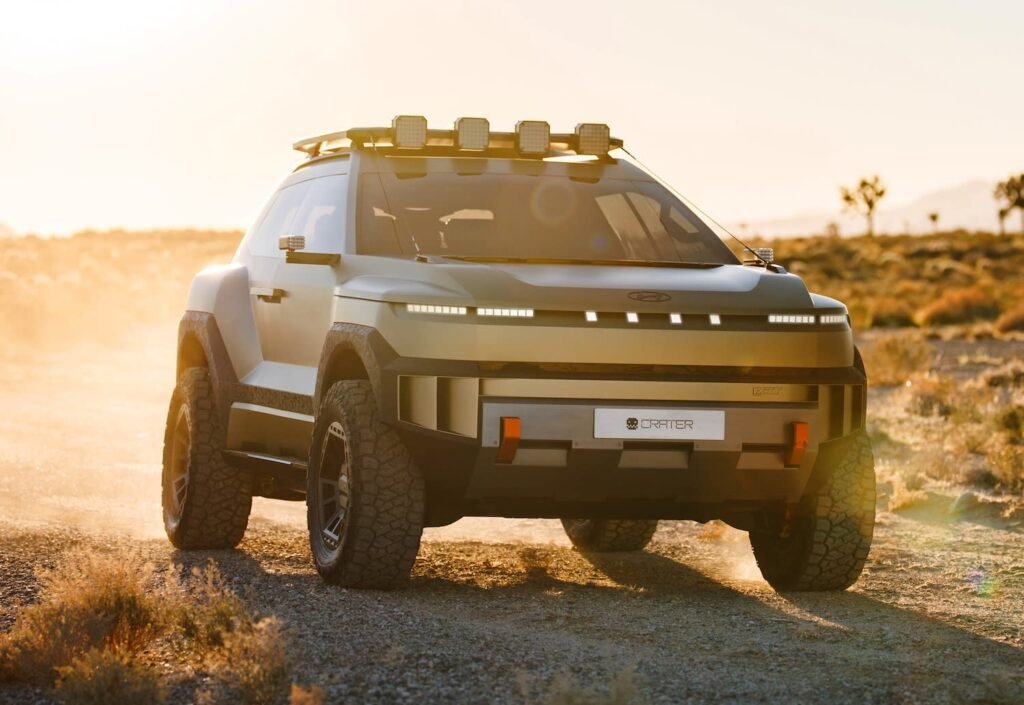

Hyundai Crater Concept debut Reveals XRT’s Rugged Future
The arrival of the Crater Concept at AutoMobility LA shows how far Hyundai thinks it can take the XRT theme in the future. The Hyundai Crater Concept debut signals that a tough, practical, off-road-focused SUV could play a larger role in its lineup going forward, moving far beyond simple accessory packs.
Rather than presenting it as an isolated design exercise, Hyundai frames the Crater as an exploration of freedom and capability shaped by extreme landscapes. With aggressive styling and specialized hardware, the company suggests it is ready to challenge established adventure machines like the Ford Bronco and Jeep Wrangler.
Here is a closer look at the concept’s ground-up utility and the hardware prioritized over flashy performance numbers.
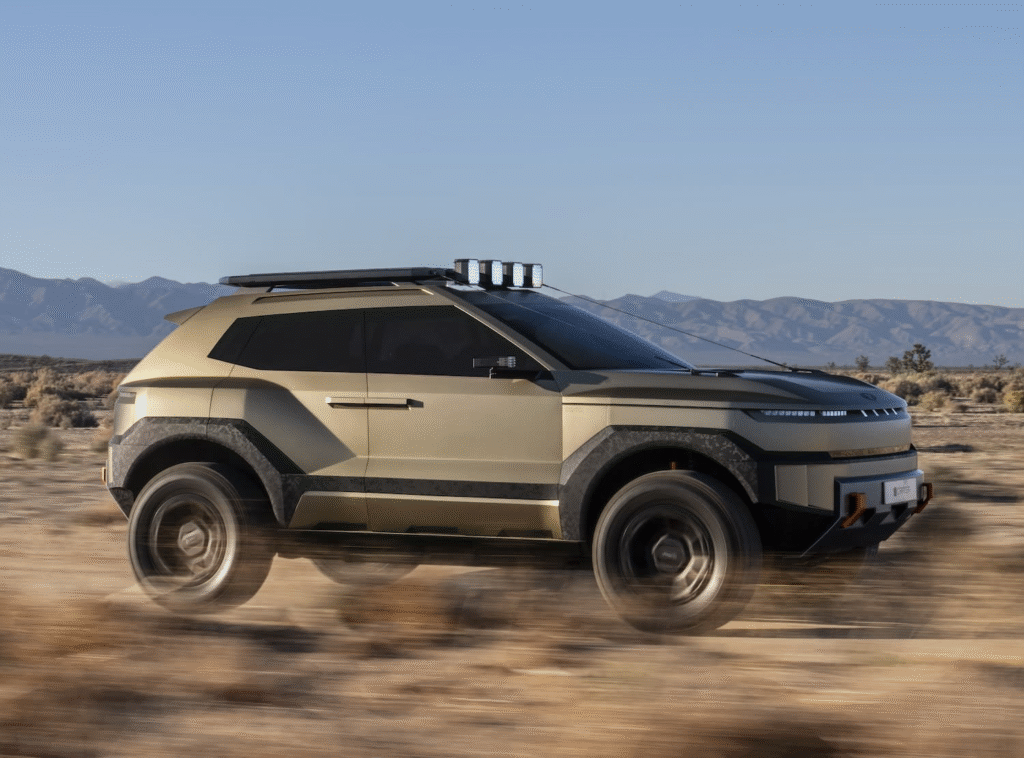
Design Grounded in Utility
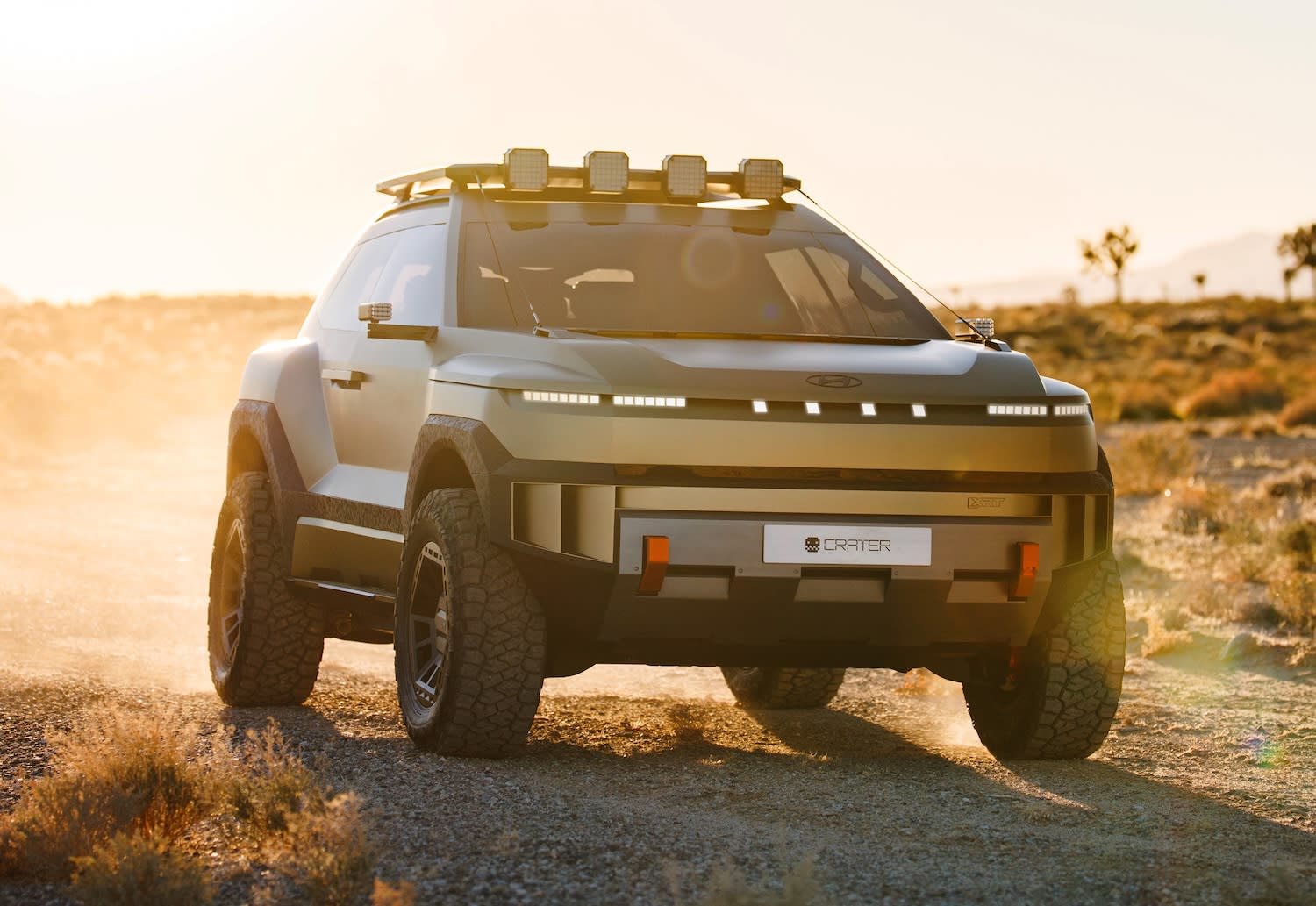
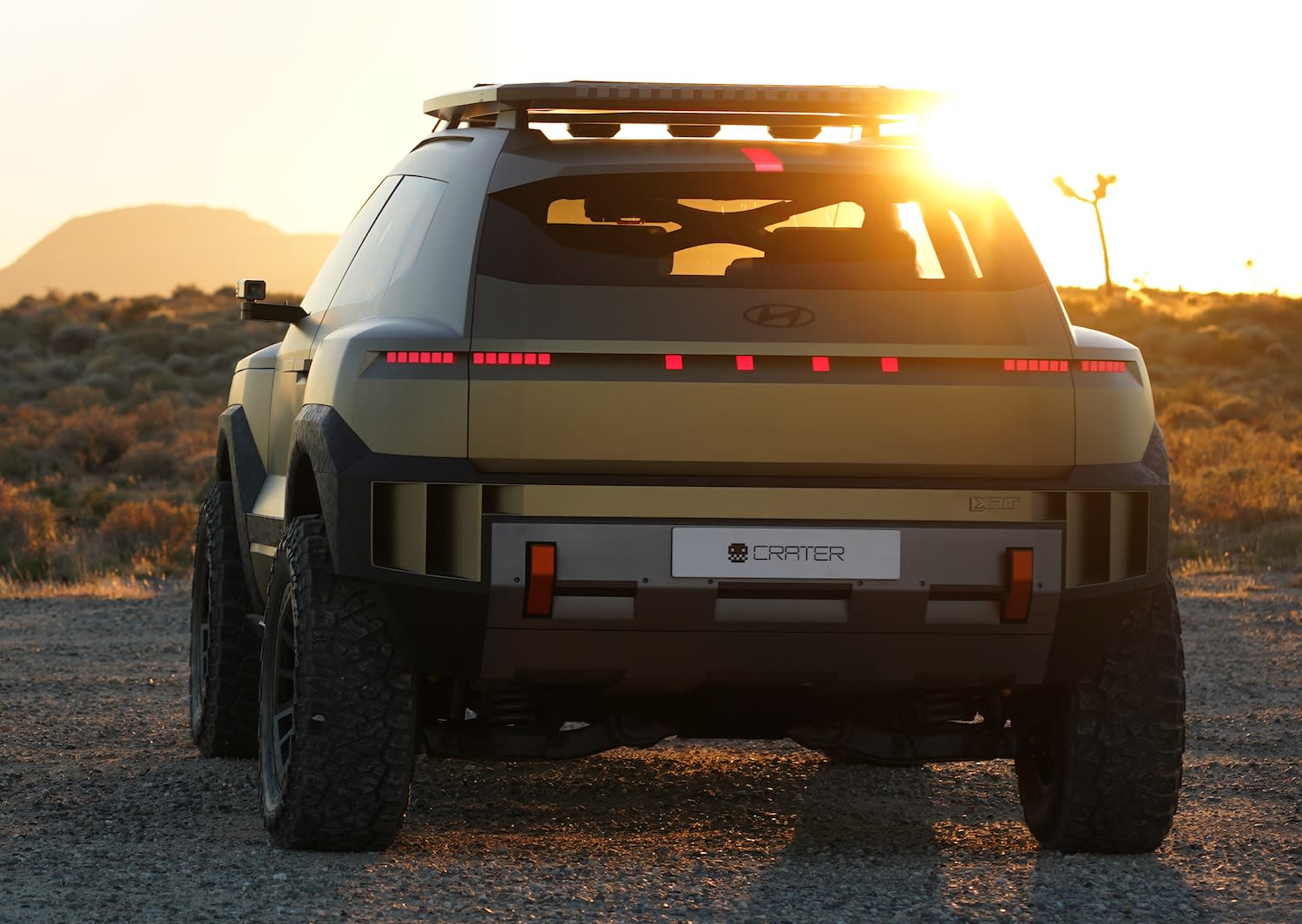
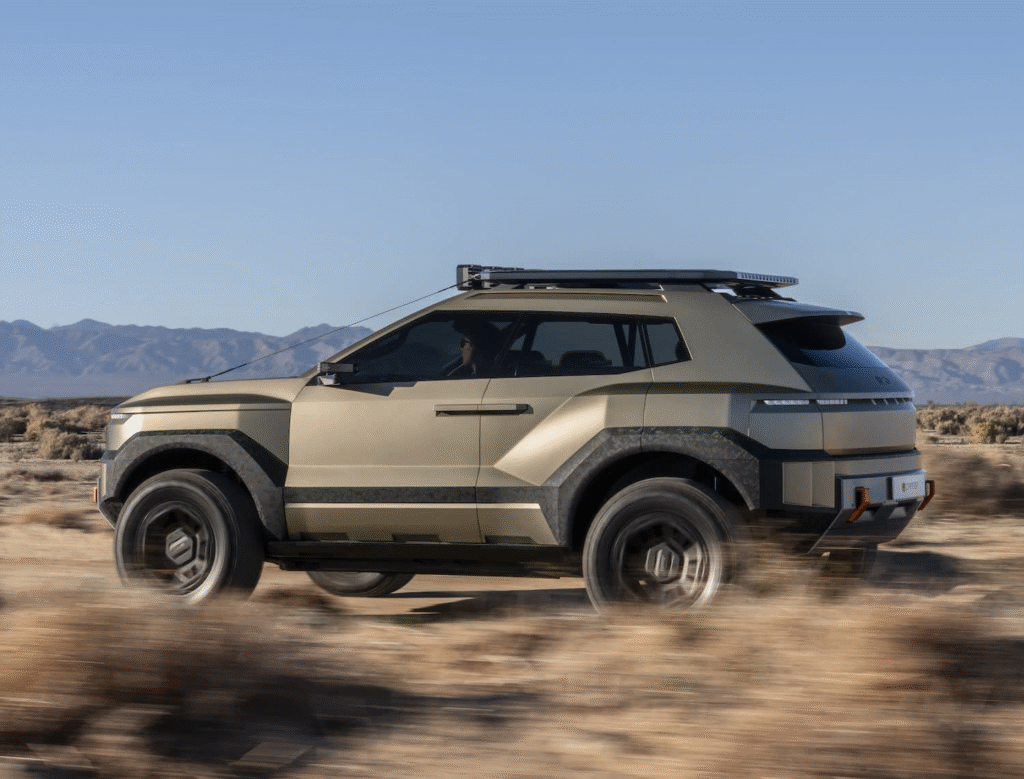
The Crater’s exterior uses the company’s “Art of Steel” philosophy, giving it a mix of crisp lines, strong surfaces, and proportions designed for real trail use. Every element supports its intended purpose:
- Stance: Compact monocoque footprint, wide skid plate, and tall approach/departure angles.
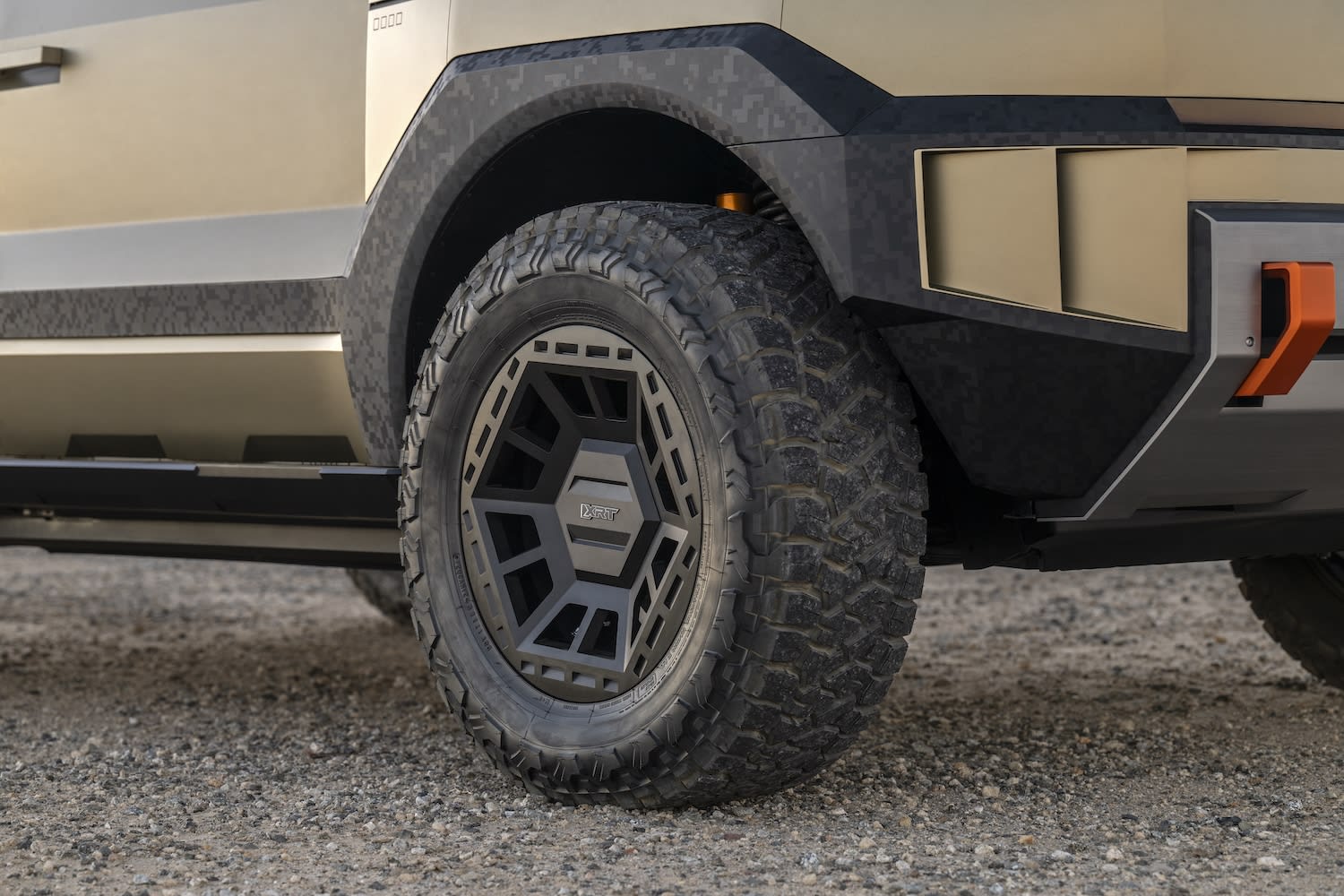
- Tires: Rides on beefy 33-inch tires with generous clearance.
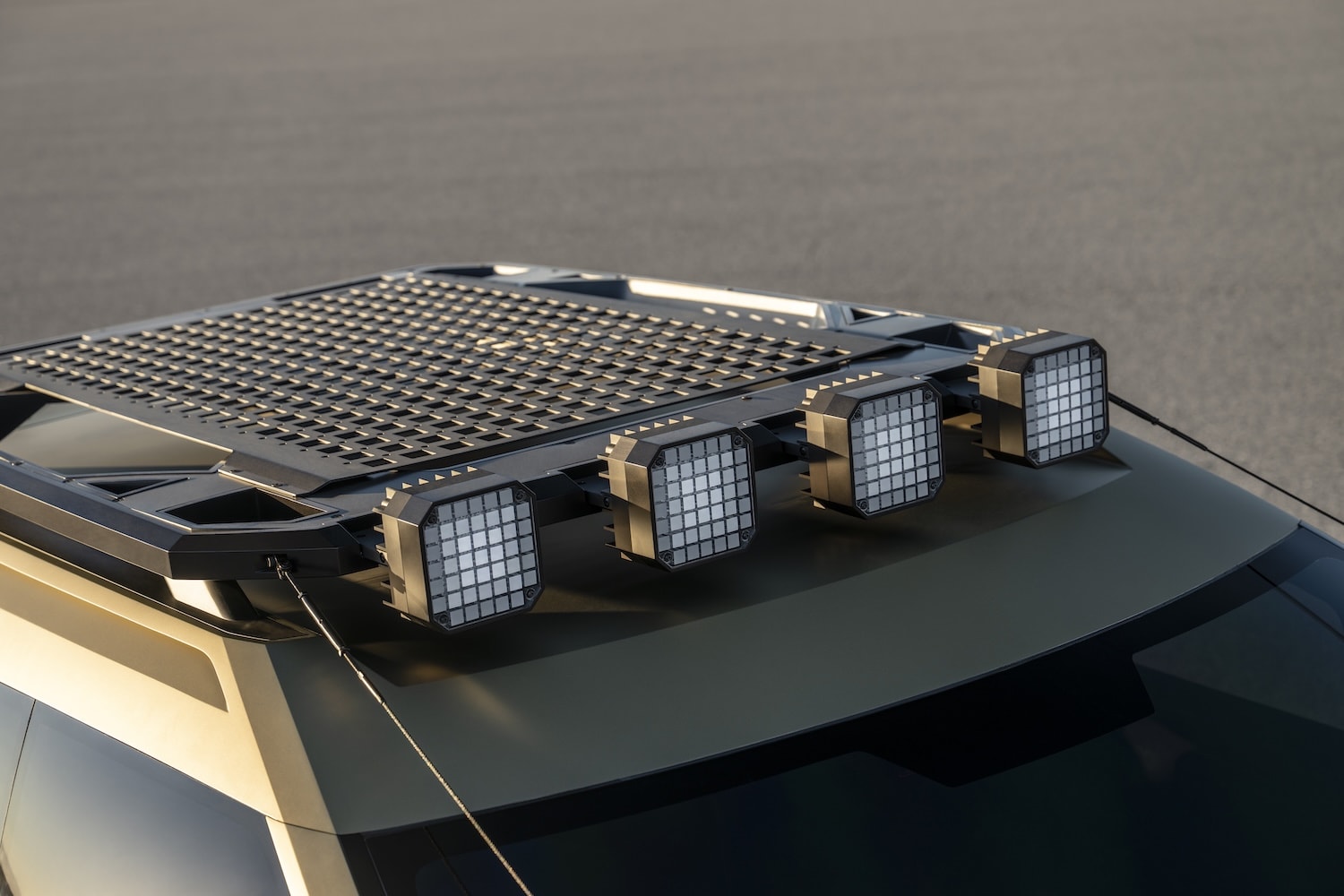
- Useful Extras: Features limb risers (cables from fender to roof to lift branches) and removable mirror-mounted cameras that double as handheld flashlights.
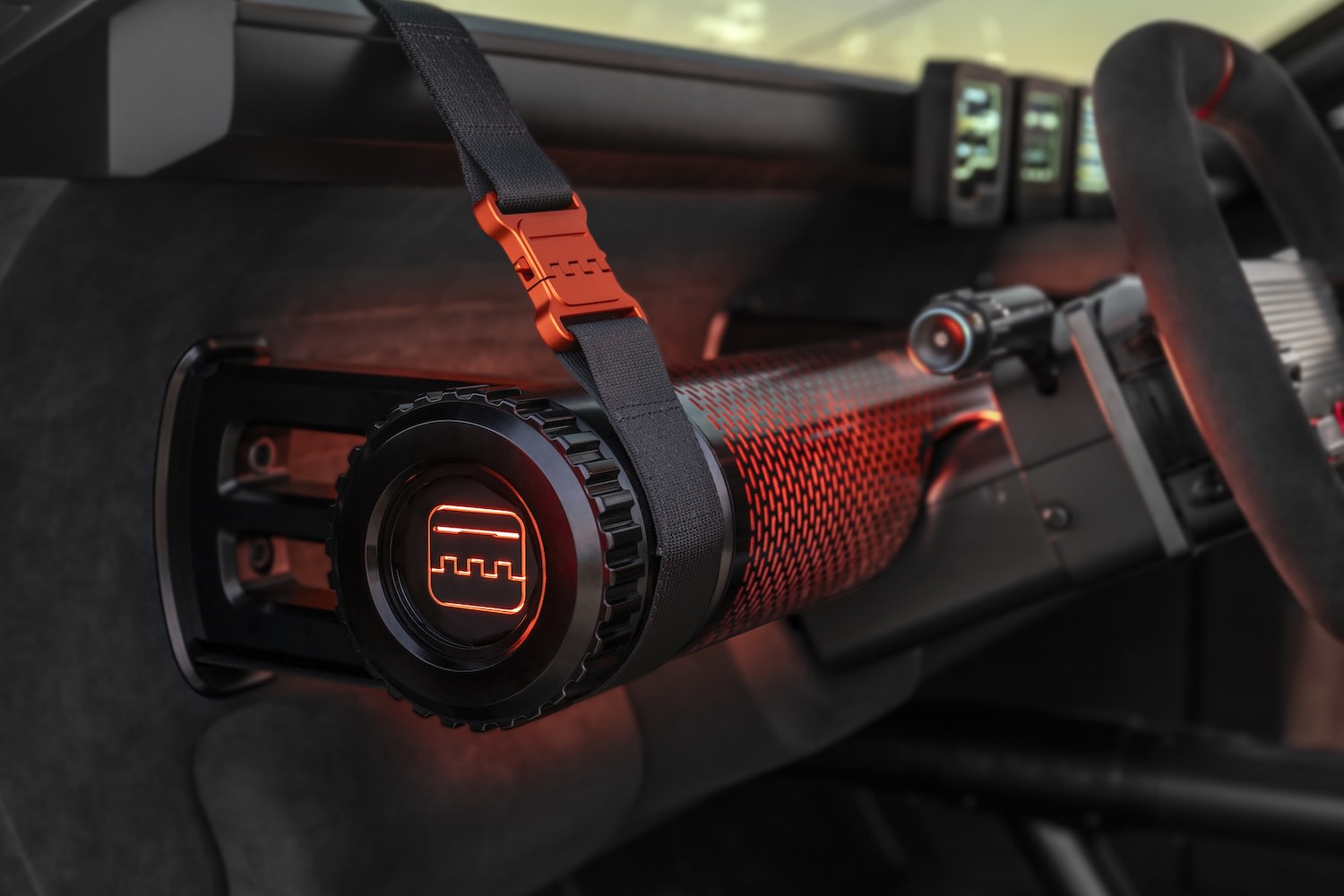
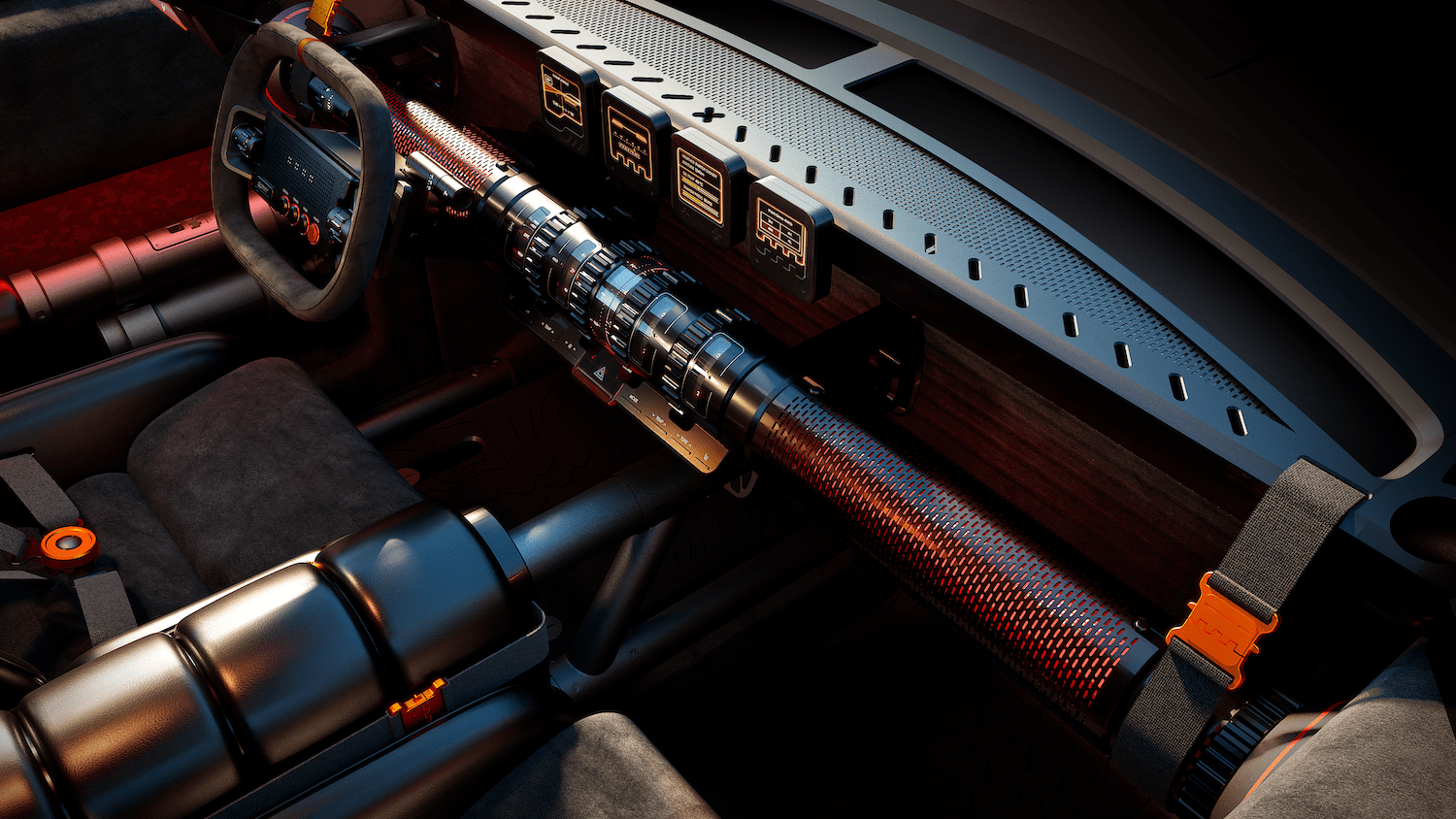
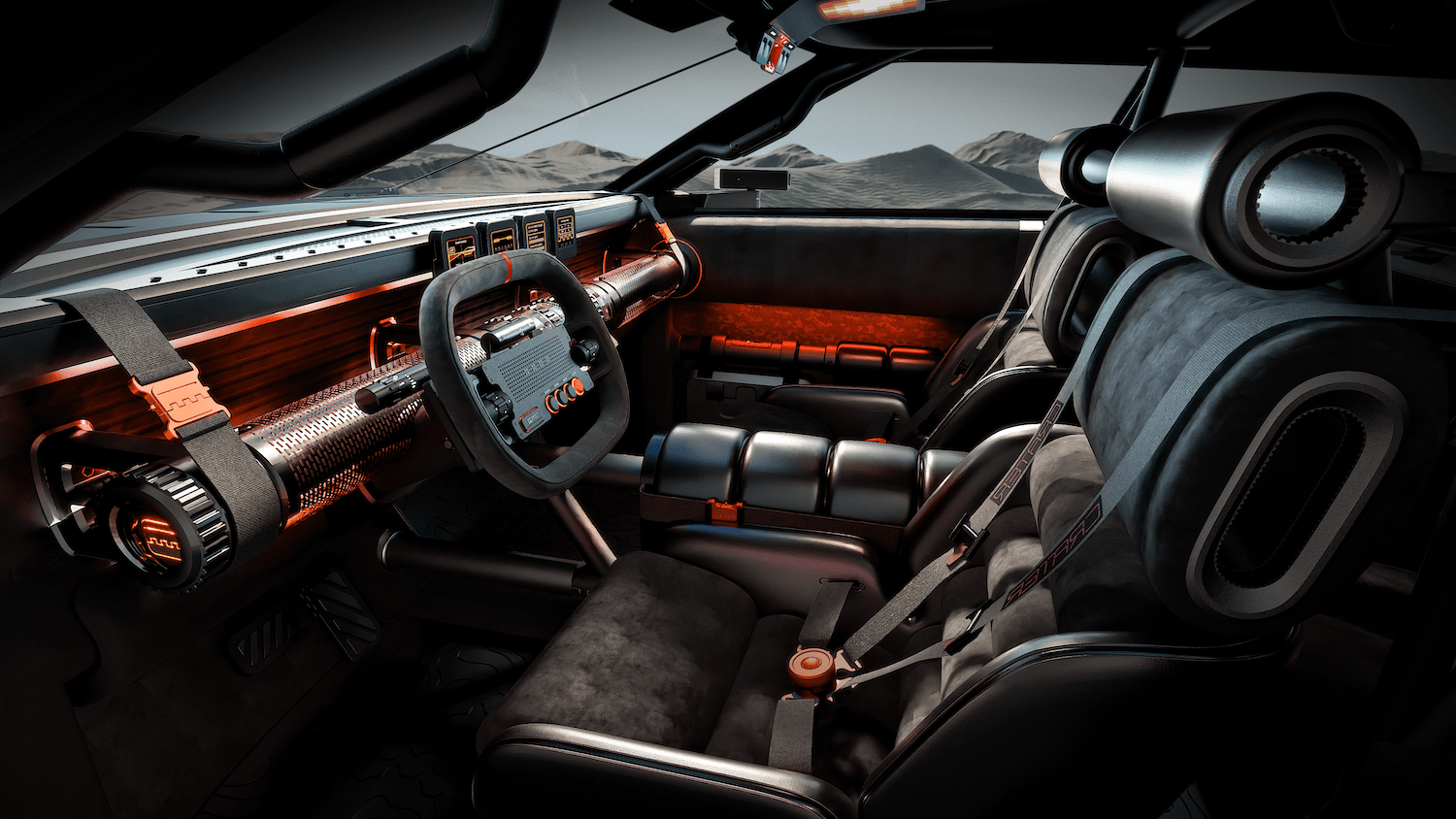
Inside, the interior shifts toward durability and modularity. The cabin uses functional shapes wrapped in soft but robust materials designed to withstand dirt and wear.
Off-Road Hardware First
The Hyundai Crater Concept debut emphasizes capability over speed, omitting any confirmed power or drivetrain figures. The focus is entirely on the tools necessary to tackle the trail.
| Feature | Function | Notes |
| Drivetrain | Locking Differentials | Critical for maximizing traction on extreme terrain. |
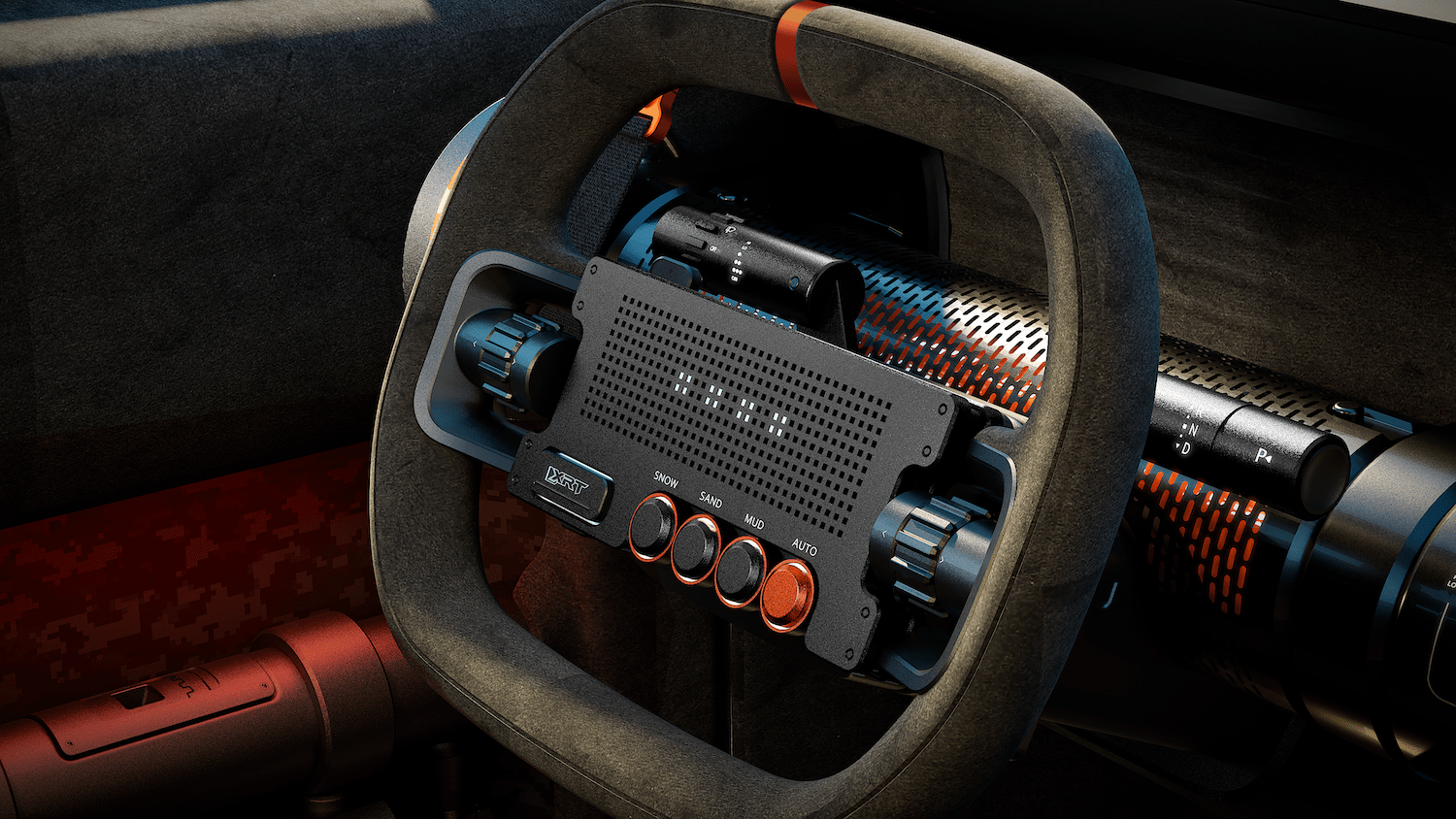
| Controller | Multi-Function Off-Road Controller | Tactile, gear-like engagement for off-road systems. |
| Traction System | Terrain Selector | Includes Snow, Sand, and Mud presets for traction management. |
| Safety/Utility | Structural Roll Cage | Increases safety and chassis rigidity. |
| Digital | Bring-Your-Own-Device (BYOD) | Allows users to rely on their own phones/tablets for navigation and infotainment. |
The off-road hardware set also includes a downhill brake controller, a compass, and an altimeter, rounding out the trail-oriented toolkit.
The Future of Hyundai XRT
The Hyundai Crater Concept debut serves as a design testbed, showcasing the upper limit of Hyundai’s rugged-vehicle ambitions. By committing to utility and modularity (like the BYOD interface), Hyundai is communicating that it is ready to go beyond stickers, plastic panels, and adventurous marketing language.
The concept hints that future XRT variants could be built around true function, potentially setting the tone for the brand’s next generation of dirt-loving SUVs ready to take on the Bronco and Wrangler audience.
Also Read – The 2027 Kia Telluride debut Shows Off 9.1-Inch Clearance X-Pro Trim


Pingback: The Hottest Hyundai Elantra N TCR Edition Finally Arrives In America