
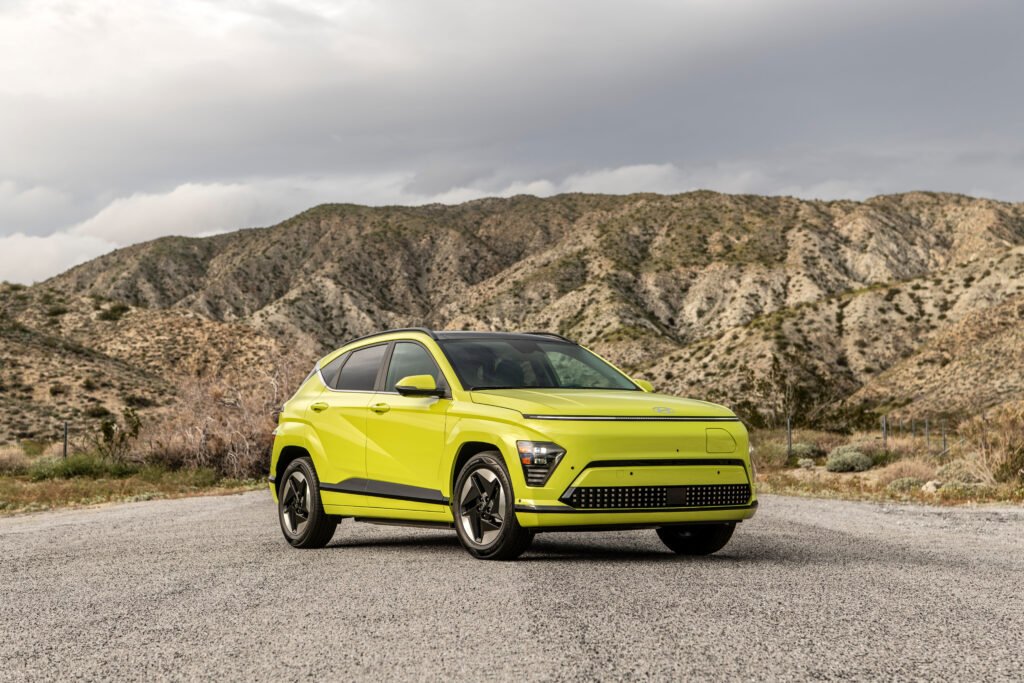

Hyundai 400 kW EV charging Systems Developed to Match Gas Speed
Hyundai believes that the only way for electric vehicles to garner mainstream acceptance is to address charging concerns head-on. The ultimate target, according to Tyrone Johnson, Managing Director of the Hyundai Motor Europe Technical Center (HMETC), is to get EV charging to a stage where it feels as quick and effortless as a gas stop. The evolution toward fast and painless charging is the only way to allay drivers’ apprehension about range and everyday usability.
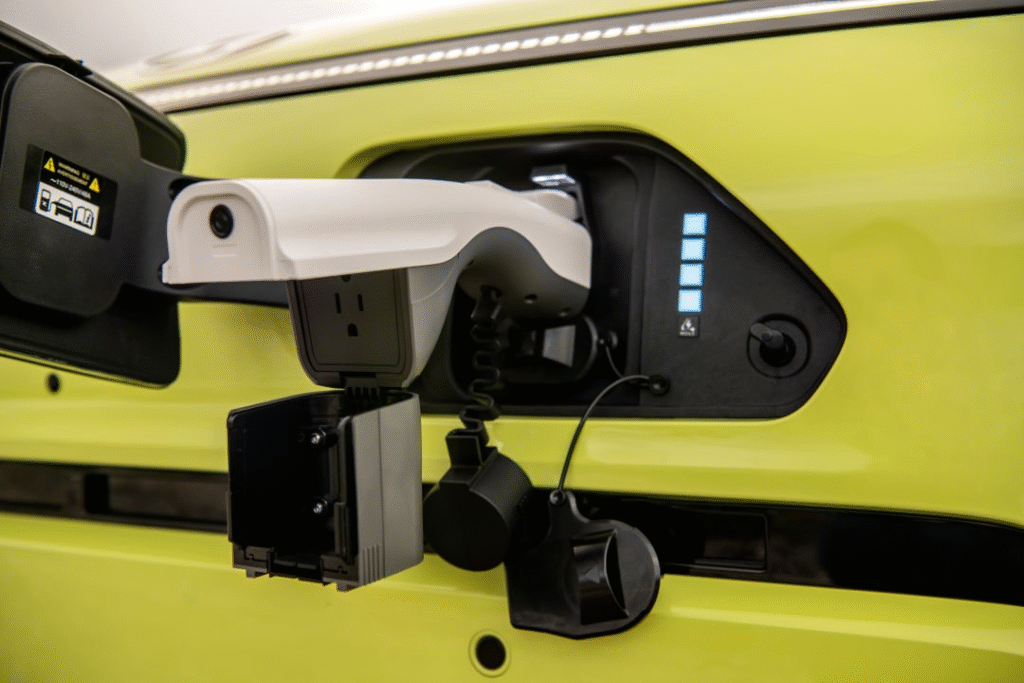
The company is pushing the boundaries of current technology. Engineers at HMETC are actively testing Hyundai 400 kW EV charging systems in the lab, setting the stage for a major breakthrough in battery and charging capabilities that will bring charge times closer to a traditional petrol fill-up.
Here is a look at what this research means for the future of electric mobility.
The Goal: Eliminating Charging Anxiety
The HMETC, established at a cost of over $200 million in Rüsselsheim, Germany, has been tasked with developing EV charging technology that can provide the perceived ease of simply pumping gas.
Johnson notes that while combustion-engine vehicles have had more than a century to perfect the simple act of refueling, automakers today are being pushed to perfect EV charging almost overnight. He is confident that his team is up to the challenge, but he also calls for patience in establishing the robust infrastructure needed to support mass EV adoption.

The Technology Leap to 400 kW
Matching the speed it takes to fill a tank demands a major leap in battery tech and charging capabilities. The fastest charging electric cars today manage just over 300 kW, but Hyundai 400 kW EV charging systems promise to push that boundary significantly.
- Current Limit: The best current EVs top out around 300-350 kW.
- Hyundai’s Target: Testing 400 kW charging systems in the lab.
- Benefit: Better and faster battery tech will enable longer driving ranges without requiring larger, heavier battery packs that eat into cabin space.
This focus is essential because while 800-volt architecture (seen in the IONIQ 5 and 6) already provides some of the fastest charging times today (10–80% in 18 minutes at 350kW), achieving the speed of a gas stop requires a leap beyond 350 kW sustained power.
Final Thoughts
The HMETC’s push for Hyundai 400 kW EV charging demonstrates the brand’s commitment to making the EV future as seamless as the fossil-fuel-powered past. This effort is not just about raw power; it’s about solving the consumer perception problem around electric vehicle ownership. With continuous development at their European R&D center, Hyundai is actively laying the groundwork for the next generation of ultra-fast charging that could finally eliminate range anxiety.
Also Read – 2026 Honda Prelude price Lands Near Civic Type R—See Specs


Pingback: $912 Million Toyota Hybrid Production Investment Spreads Across Five U.S. Plants
Pingback: Hyundai December Delight Campaign 2025 – Save Up To ₹1 Lakh! - Mechhelp