


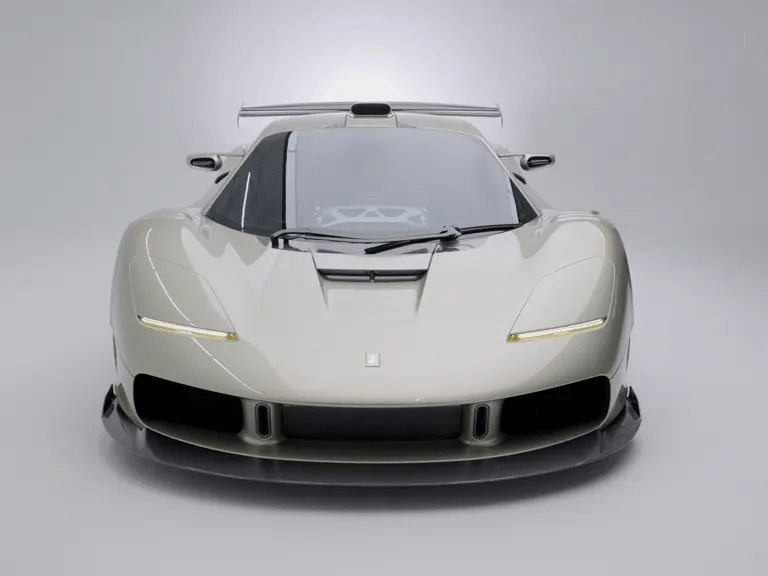
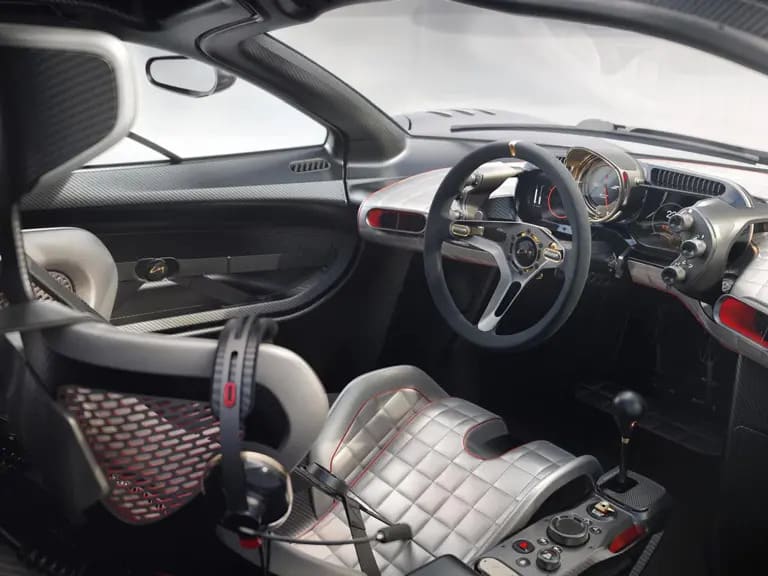
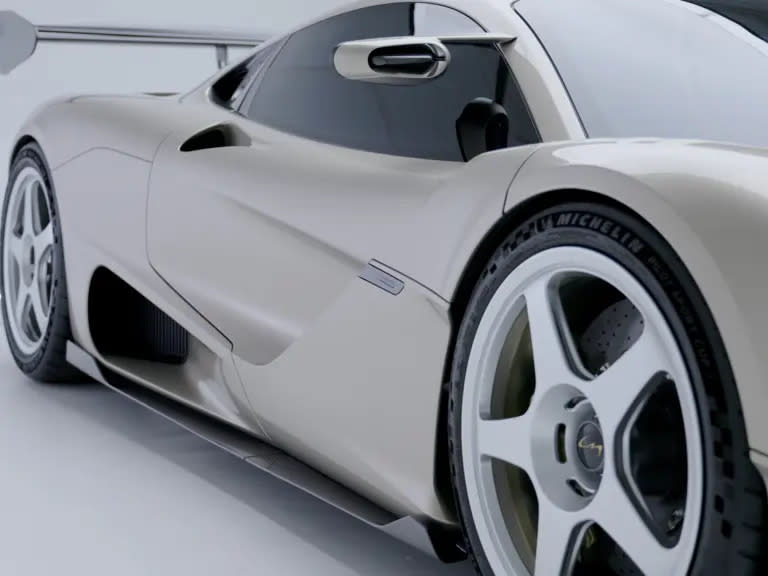
Gordon Murray S1 LM auction Sells for Record-Breaking $20.6 Million
The electric vehicle landscape just shifted, thanks to a stunning new Lotus Emeya charging record established during independent testing. The hyper-GT achieved a peak rate of 443 kW, completing a 10–80% charge in just 13 minutes and 35 seconds, proving that range anxiety might soon be a thing of the past.
This benchmark was set using Lotus’ own 450 kW DC ultra-fast charger in Kuwait. Despite extreme heat conditions, the vehicle demonstrated the raw capability of its next-generation electrical architecture, reinforcing Lotus’ push to futureproof its lineup.

Here is a look at how this cutting-edge system works and why it matters for owners.
The System: dcbel Ara and V2H
The partnership with dcbel transforms the EX90 from a fully electric SUV into a versatile energy resource.
| Feature | Specification |
| System Name | dcbel Ara Home Energy Station |
| EX90 Hardware | First Volvo model with native bi-directional hardware/software |
| Primary Function | Vehicle-to-Home (V2H) Power Transfer |
| Charging Capability | Dual charging (AC and DC) for two EVs simultaneously |
| Energy Management | Built-in AI for real-time load balancing |
| Installation | Fully rated for both indoor and outdoor implementation |
When paired with the Ara system, owners can draw power directly from the SUV’s high-voltage battery to support essential household circuits during blackouts, providing critical resilience during grid failures.
Why V2H Matters to Owners
The Volvo EX90 bi-directional charging capability addresses rising consumer interest in both resilience and cost-saving energy technology.
- Backup Power: V2H allows owners to maintain essential household functions during blackouts, using the large EV battery as a giant home power storage unit.
- Cost Management: Owners can reduce energy bills by charging the vehicle when utility rates are low (off-peak) and then using that stored EV power to run the house when rates are high (peak demand).
- Grid Optimization: When plugged in, EVs can contribute to less strain on the power grid during peak demand times by smartly managing consumption at the residential level.
A Step Toward a Larger Energy Ecosystem
The integration of Volvo EX90 bi-directional charging marks the beginning of a significant transformation in how vehicles interact with homes and the power grid.
Volvo envisions expanding this approach as smart infrastructure and home-energy technology continue to develop and mature, paving the way for a future where vehicles play an integral role in energy management at home.
Also Read – EV Maintenance Low Cost Shrinks Dealership Profit Margins on Service


Pingback: 2026 Mazda2 Update Adds 360-Degree Camera And More Standard Tech