
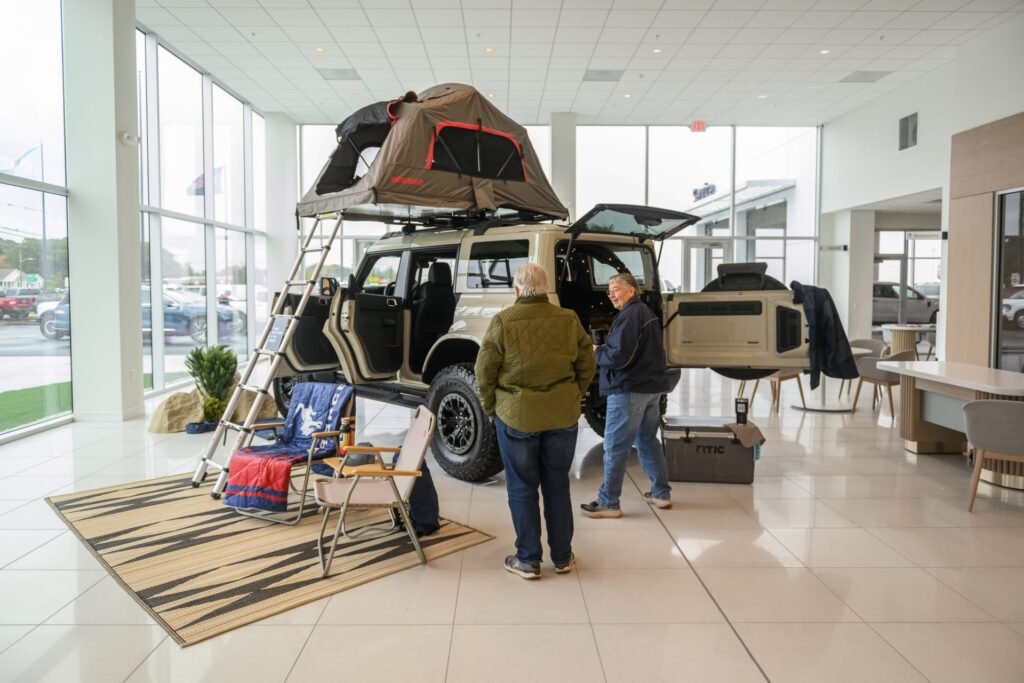

Ford dealer redesign Introduces Signature 2.0 to Simplify Car Buying
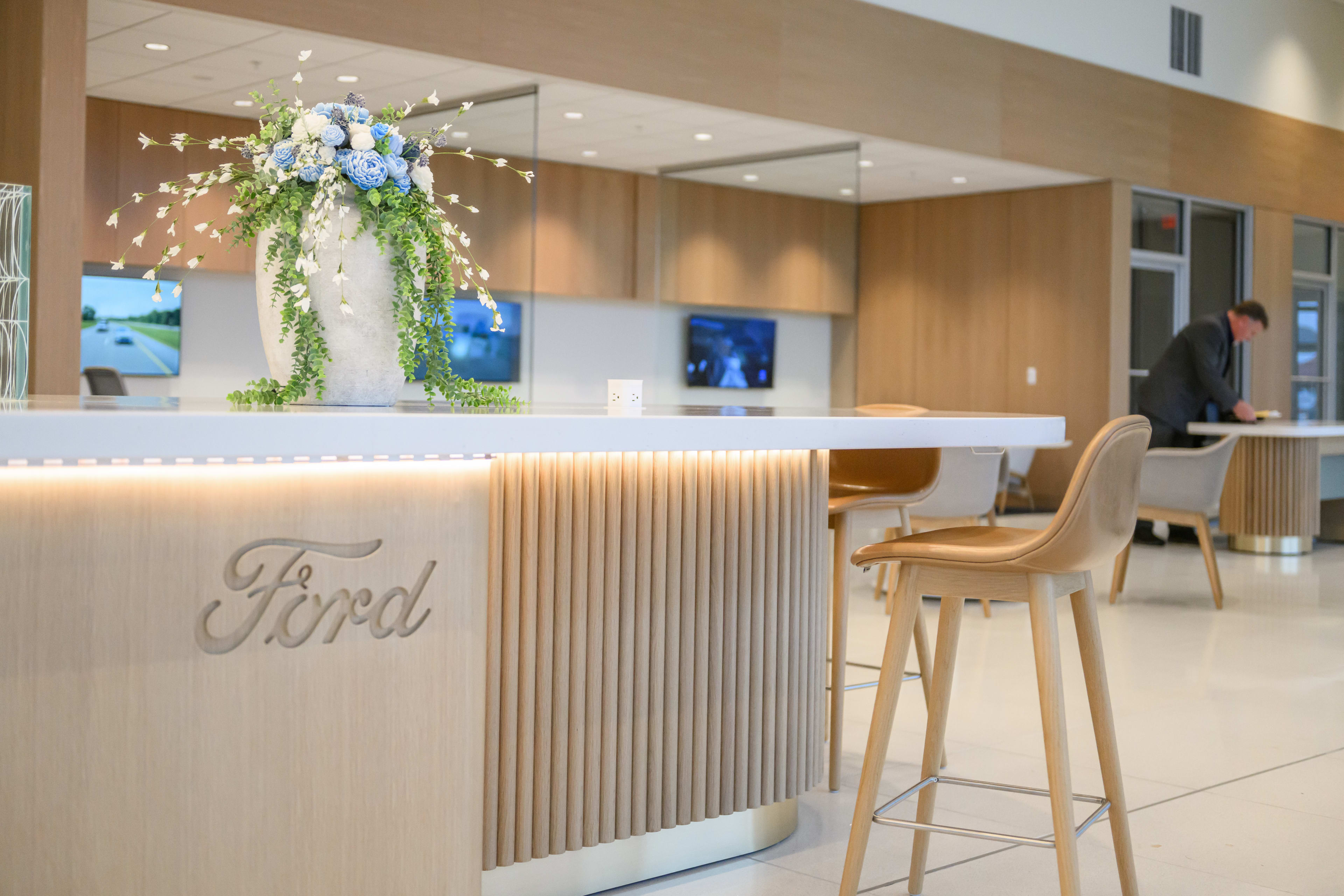
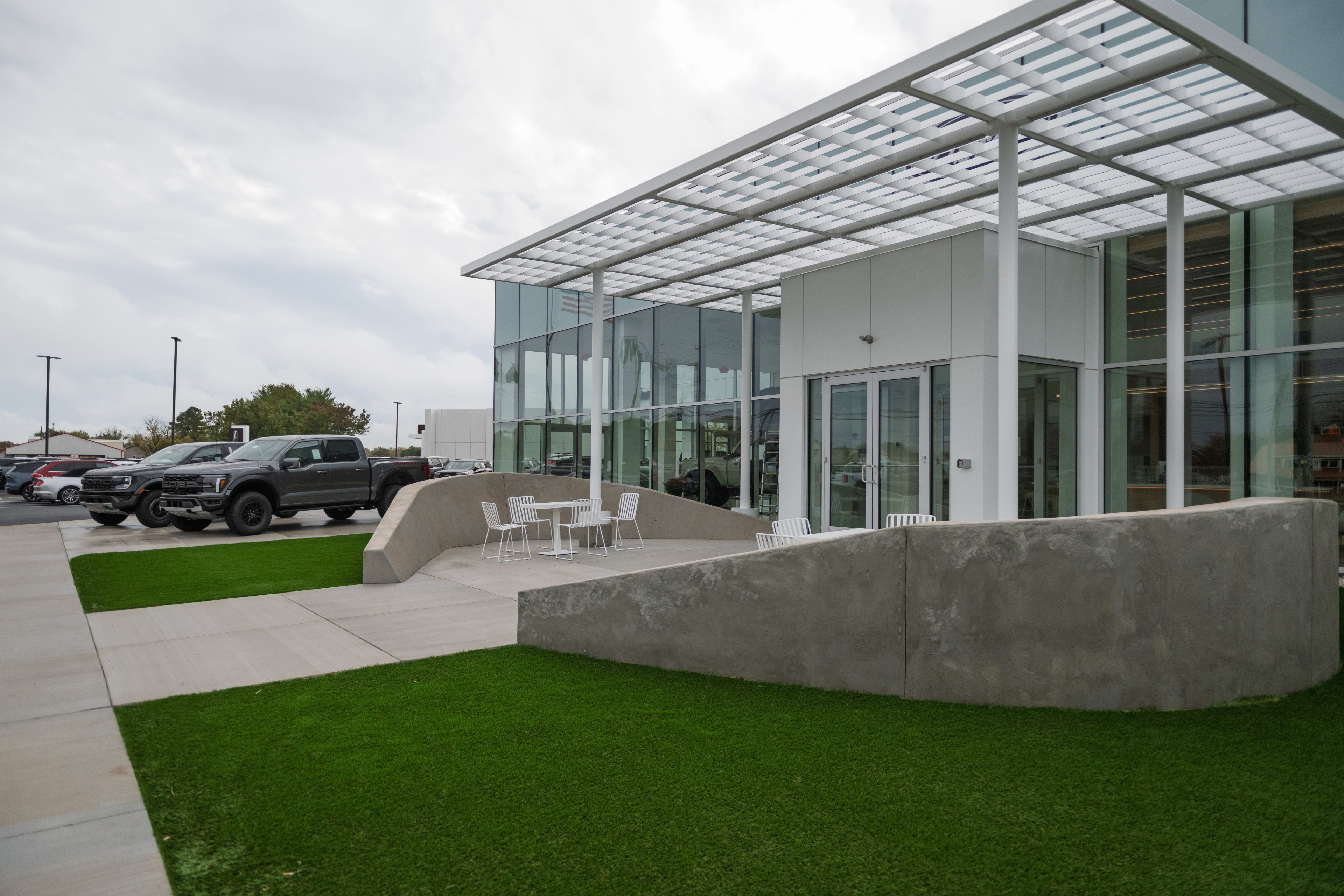
The mindset behind retail store displays is now being applied to car dealerships. Ford knows firsthand that the traditional dealership experience can cause anxiety in even the most eager buyers, and the company has unveiled a new concept to make the process easier. The Ford dealer redesign initiative, called “Ford Signature 2.0,” is a unified global retail experience developed to enhance the purchasing and servicing journey for customers worldwide.
This new approach emphasizes human-centered design to foster trust, aiming to provide seamless options whether buyers purchase in-person or entirely online. Ford plans to open 110 stores globally with this new retail model by the end of 2026.
Here is a look at the four core principles driving this transformation and why other automakers are following suit.
Four Core Principles of Ford Signature 2.0
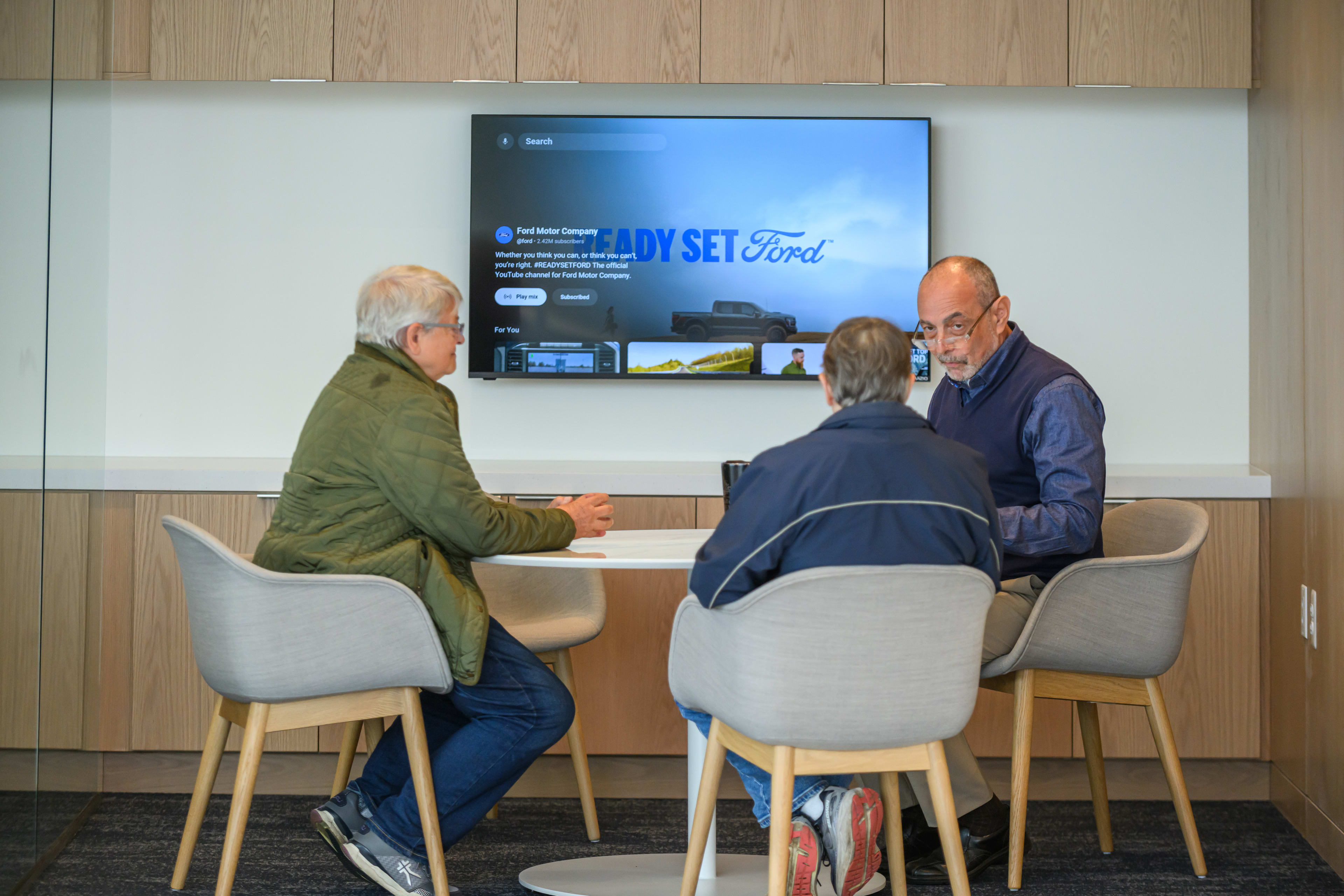
The new customer experience is built around removing friction and enhancing comfort, moving away from high-pressure sales environments.
| Principle | Detail | Customer Benefit |
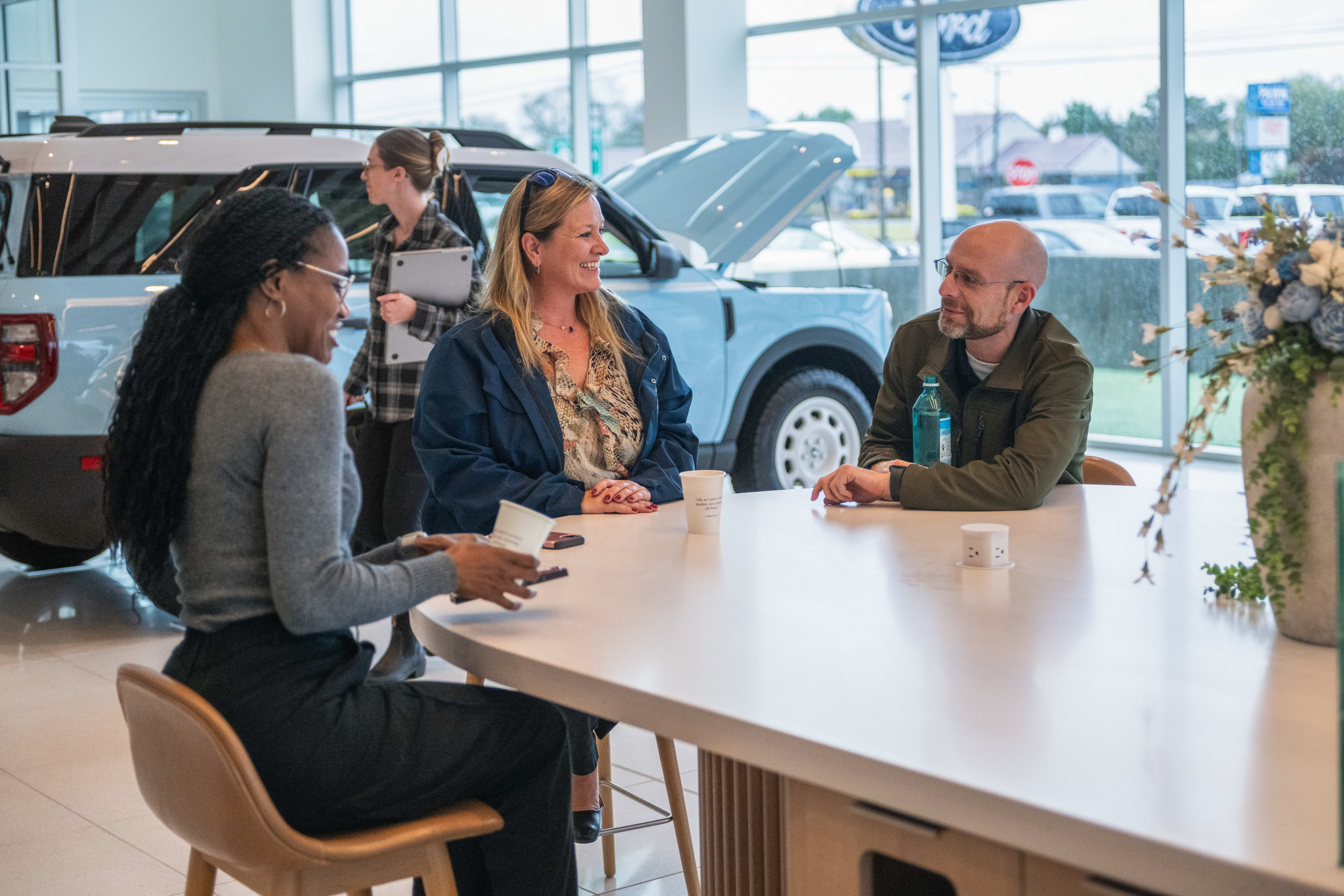
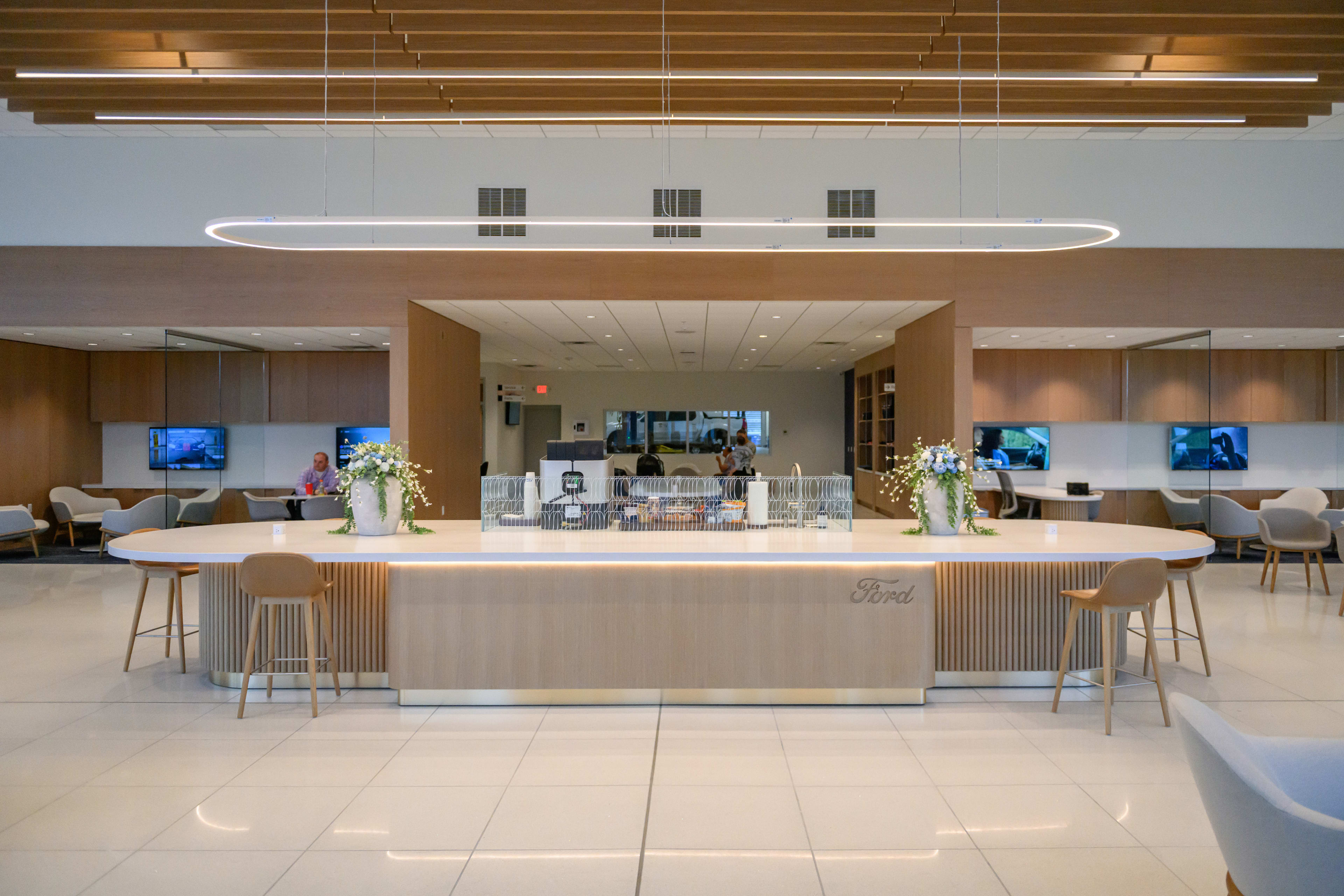
| Hospitality First | Staff act as “brand ambassadors”; food/beverages available; conversations happen in dedicated, relaxed spaces. | Reduces anxiety; establishes trust and community. |
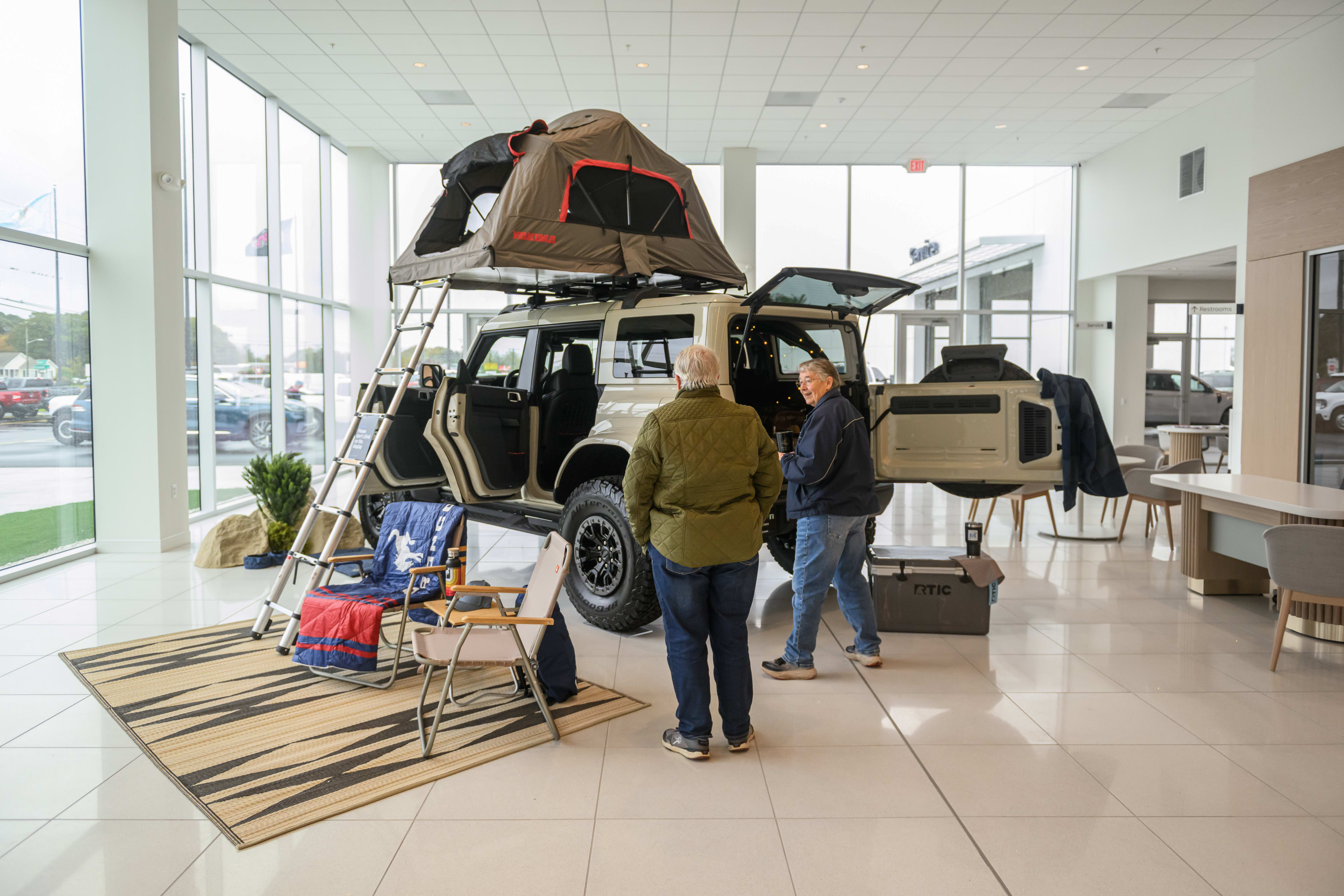
| Discover Ford | Immersive brand experiences; hands-on interaction with products, accessories, and technology. | Allows customers to see, touch, and learn without sales pressure. |
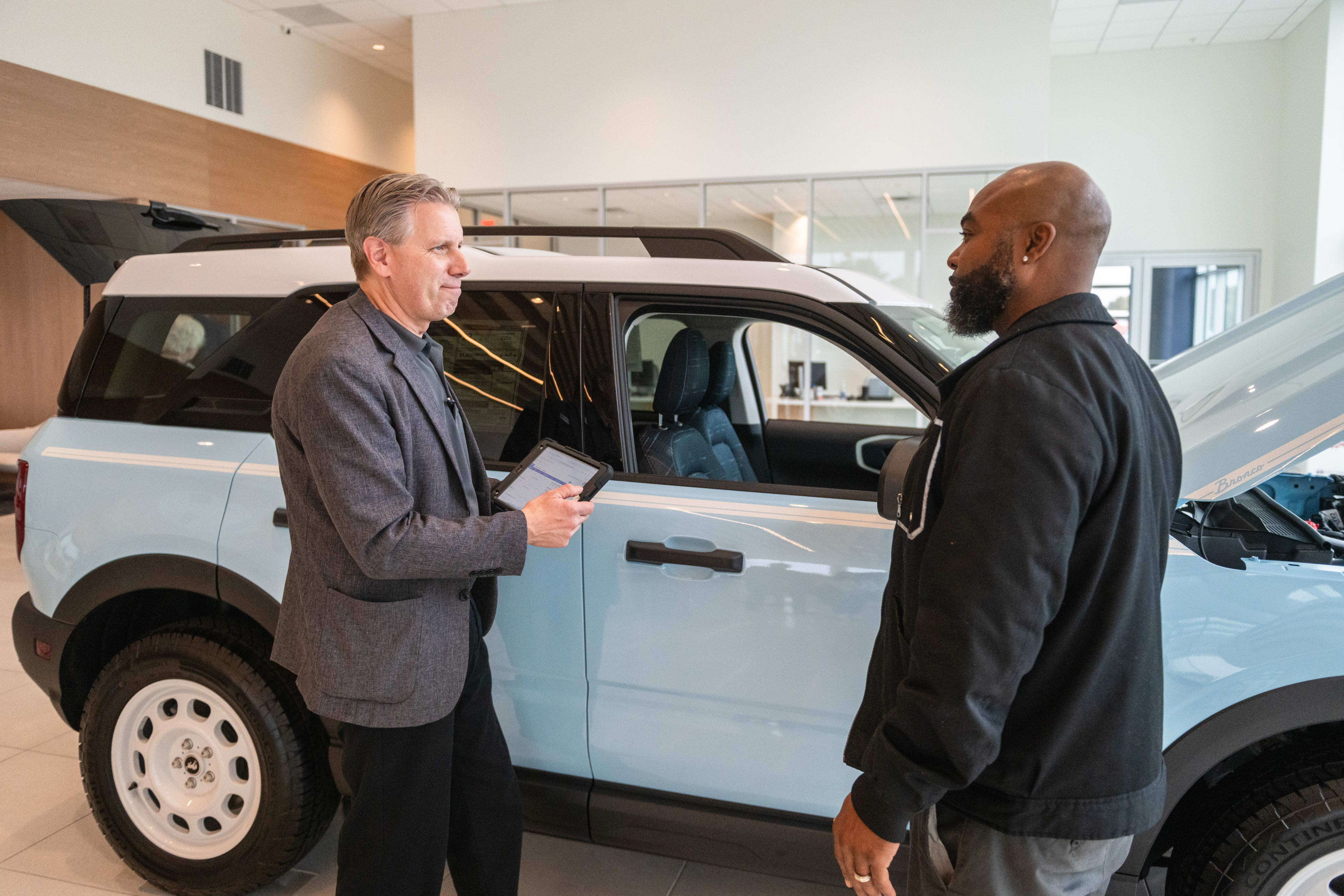
| Sales & Service Anywhere | Flexibility to conduct transactions (pricing, financing) in traditional rooms or casual hospitality spaces; full digital-to-in-person blending. | Customer chooses the environment and pace for the transaction. |
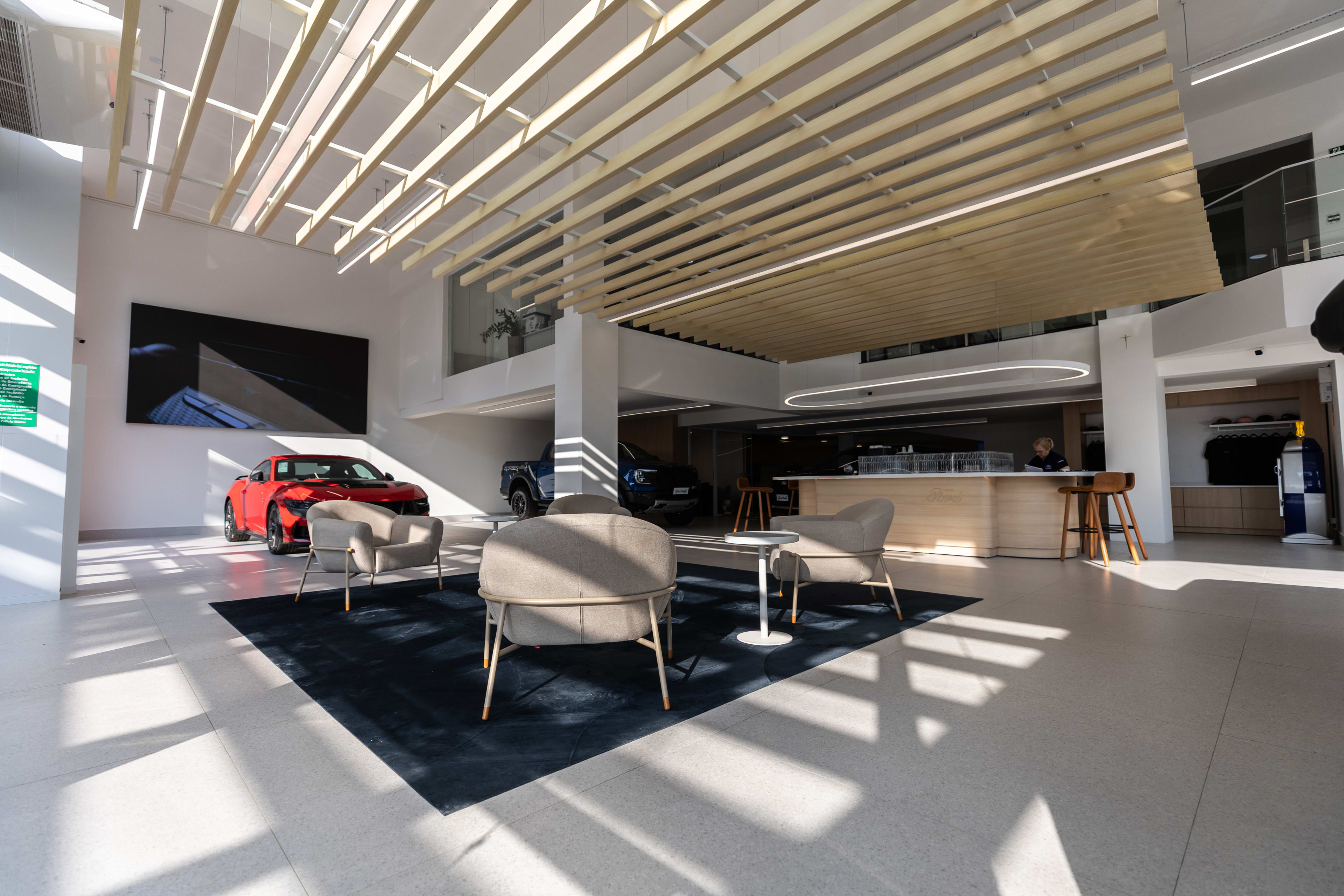
| Operations Excellence | Efficient design to optimize flow and functionality for guests and employees. | Faster service times and a more pleasant waiting experience. |
The Convenience of Remote Service
For the service side, convenience is the game Ford is aiming for, utilizing digital tools to eliminate time spent waiting at the dealership:
- Pickup & Delivery: Dealerships collect the customer’s vehicle for service and return it when the work is complete.
- Mobile Service: For routine services, certified technicians are dispatched directly to the customer’s preferred location (home or workplace).
Through the third quarter of 2025, Ford has facilitated 3.8 million remote experiences globally, demonstrating the scale of this customer-focused effort.
The Competition: Subaru’s Connection Hub
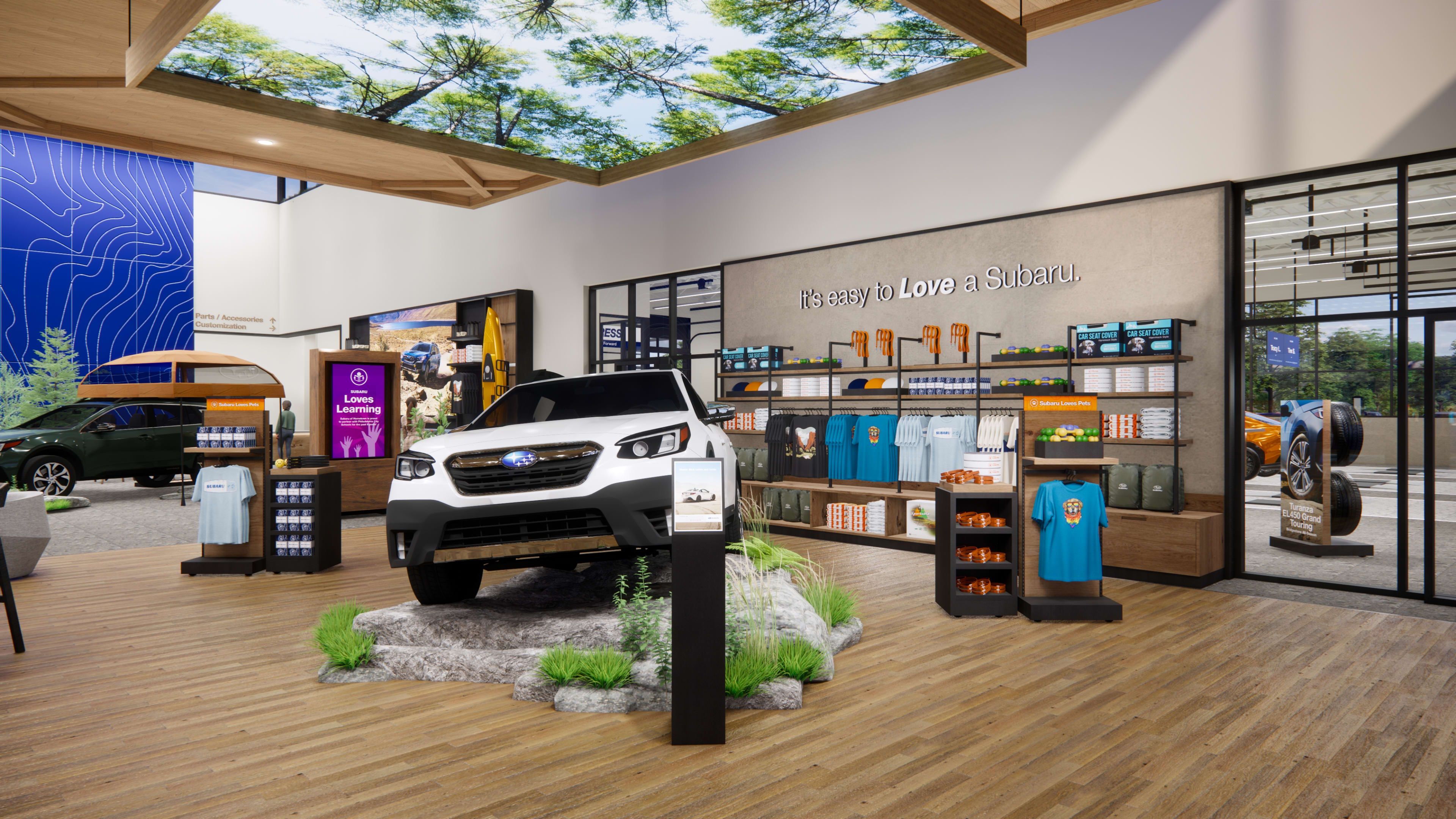
Ford isn’t the only automaker embracing change. Subaru of America has also announced the first full redesign of its retailer network since 2007, dubbed the Subaru Connection Hub.
Subaru’s new concept aims to go beyond selling cars, focusing instead on creating a deeper sense of community connection that speaks to long-time loyalists. Key features include:
- Constellation Lounge: A café-style gathering spot for community collaboration.
- Lifestyle Vignettes: Immersive displays staging Subaru models in real-world scenarios (off-roading, road trips).
- Customization Zone: Interactive digital tables for tailoring vehicles and exploring accessories.
This widespread Ford dealer redesign and Subaru’s similar move confirms that legacy automakers are finally responding to customer calls for a transparent, convenient, and less stressful car-buying experience.
Also Read – The Undriven 2026 Corvette ZR1 flip and the Collector Market


Pingback: 2026 Dodge Durango V6 Returns, Dropping Price By $3,700