
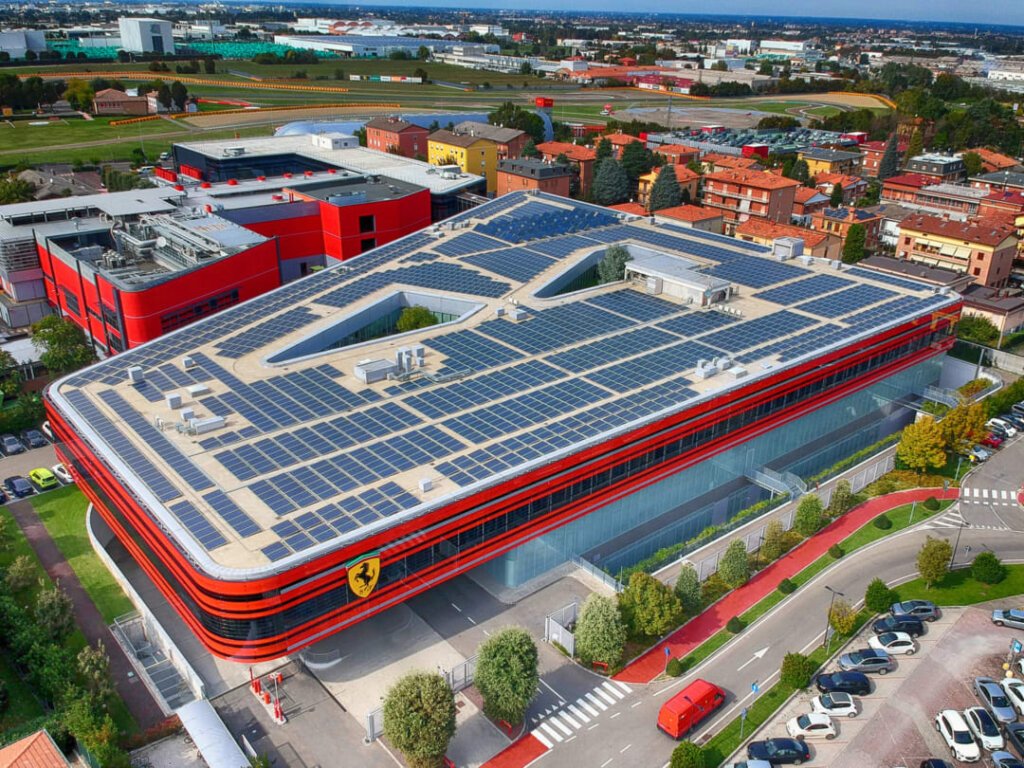

Ferrari Vows to Keep V6, V8, V12 Engines Roaring: Refuses to Go Fully Electric, Pursuing Balanced Powertrain Strategy
Ferrari has unequivocally confirmed its long-term commitment to internal combustion engines, declaring that its iconic V6, V8, and V12 powerplants will continue to roar well into the next decade. At its 2025 Capital Markets Day, the Maranello automaker outlined a “technology neutrality” philosophy, envisioning a future where gasoline, hybrid, and fully electric propulsion coexist as complementary, rather than competitive, elements of its balanced strategy. This stance firmly rejects a full embrace of electrification, ensuring that combustion remains a cornerstone of Ferrari’s DNA.
A Balanced Powertrain Future: 40% Combustion, 40% Hybrid, 20% Electric by 2030
Ferrari’s strategic roadmap for 2030 highlights a deliberate mix of powertrains, distinct from rivals who are rapidly phasing out internal combustion.
- 2030 Lineup Distribution:
- 40% Internal Combustion: V6, V8, and V12 engines will continue to be a significant portion of Ferrari’s offerings.
- 40% Hybrid: A substantial segment will feature hybrid powertrains, blending electric power with traditional engines.
- 20% Fully Electric: Ferrari’s first EV, the Elettrica, arriving in 2026, will represent a smaller, but growing, part of the portfolio.
- Technology Neutrality: CEO Benedetto Vigna emphasized this philosophy, treating different propulsion types as complementary rather than a zero-sum game.
- Evolution, Not Abandonment: The goal is to evolve combustion engines, improving efficiency and ensuring compatibility with synthetic fuels to meet future emissions regulations.
- Emotion and Performance: Vigna reaffirmed that emotion, performance, and the signature sound remain non-negotiable traits for Ferrari engines, regardless of fuel source.
Heritage and Emotion: The Uncompromising Pillars of Ferrari
Ferrari’s decision is deeply rooted in its rich heritage and the visceral experience its engines provide, traits that EVs have yet to fully replicate.
- Preserving Defining Traits: The announcement reinforces that Ferrari will not silence its most defining characteristic – the roar of its engines – anytime soon.
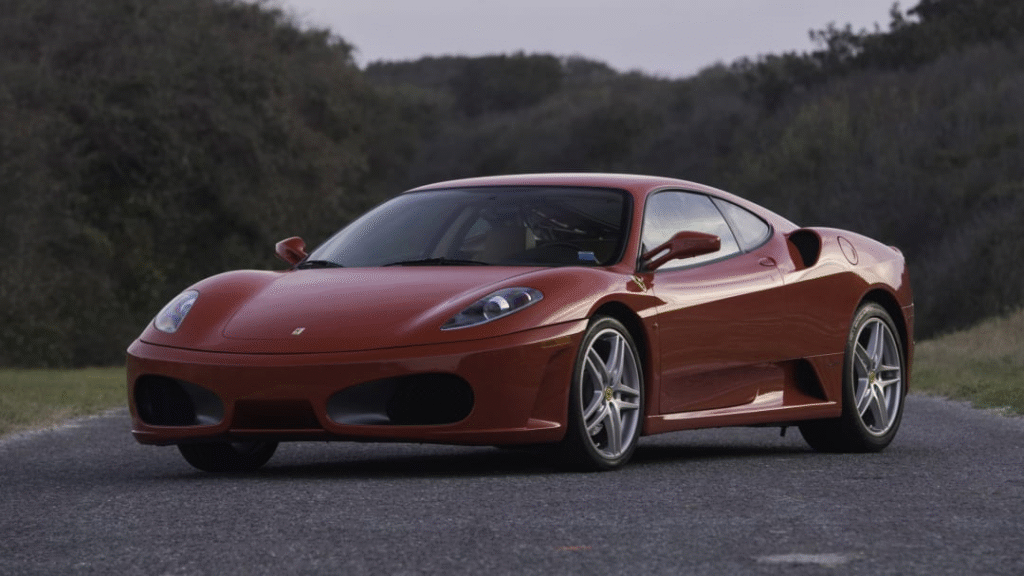
- Legendary Acoustics: Models like the 2007 Ferrari F430 exemplify the revered combination of instant throttle response and visceral acoustics from naturally aspirated and turbocharged V8s.
- Legacy Across Eras: From the grand touring comfort of the 2014 Ferrari California to rarities like the 1952 Ferrari 212 Inter, internal combustion has always been central to Ferrari’s identity, a legacy it is committed to preserving.
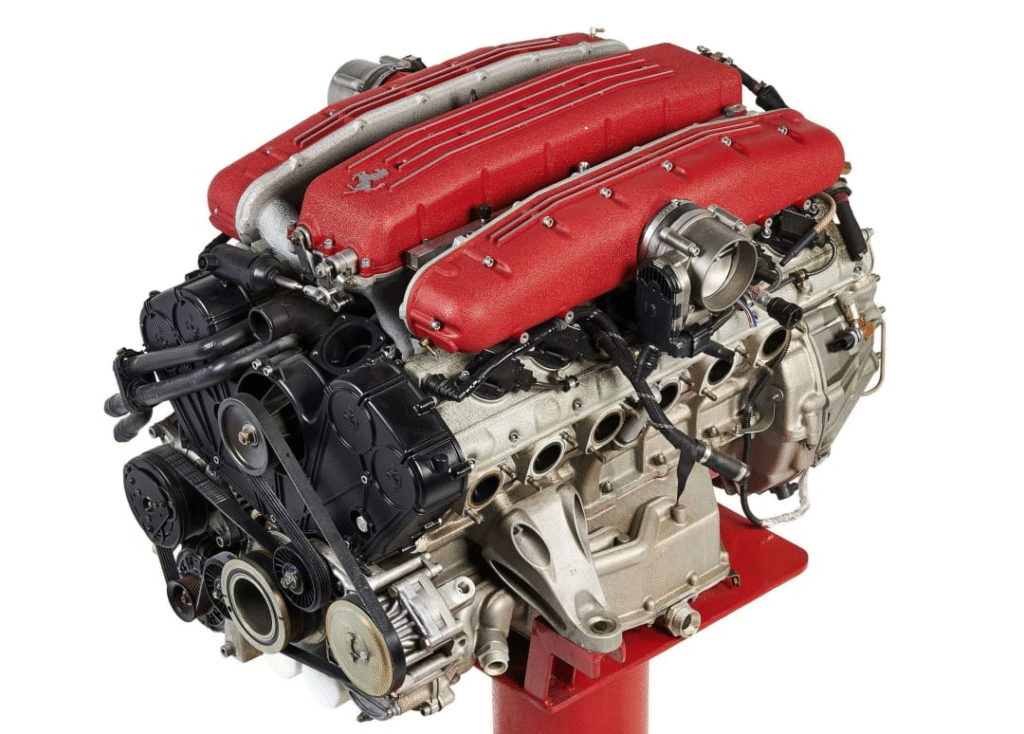
Balancing Regulations with Unique Market Position
Ferrari’s strategy acknowledges tightening global emissions rules, particularly Europe’s 2035 zero-emission targets, but leverages its unique market position.
- Synthetic Fuels as a Lifeline: Ferrari believes synthetic fuels will provide a crucial solution, enabling high-performance engines to meet regulations while retaining their characteristic sound and feel.
- Limited Production Advantage: As a niche manufacturer with tightly limited production and high prices, Ferrari faces less regulatory pressure than mass-market brands.
- Experiential Purchases: Ferrari customers prioritize the emotional experience as much as the technology, giving the company more flexibility to innovate across multiple propulsion paths.
The Elettrica: Expansion, Not Redefinition
While Ferrari’s first EV, the Elettrica, is due in 2026, the company insists it will expand the brand’s portfolio rather than fundamentally redefine its core identity or replace its V12s and V8s with silence. This strategic approach ensures that while technology advances, the essence of Ferrari – the raw emotion, unparalleled performance, and unmistakable sound – will endure. For purists and enthusiasts worldwide, this means the thrilling roar of a V12 echoing through the hills of Maranello is very much a part of Ferrari’s future.
Also Read – Toyota Sequoia Tops Longevity Study: Most Likely Car to Reach 250,000 Miles, Japanese Brands Dominate


Pingback: 2026 Hyundai Ioniq 5 Price Drops $9,800, But 2025 Models Offer Deeper Discounts For EV Buyers - Mechhelp