
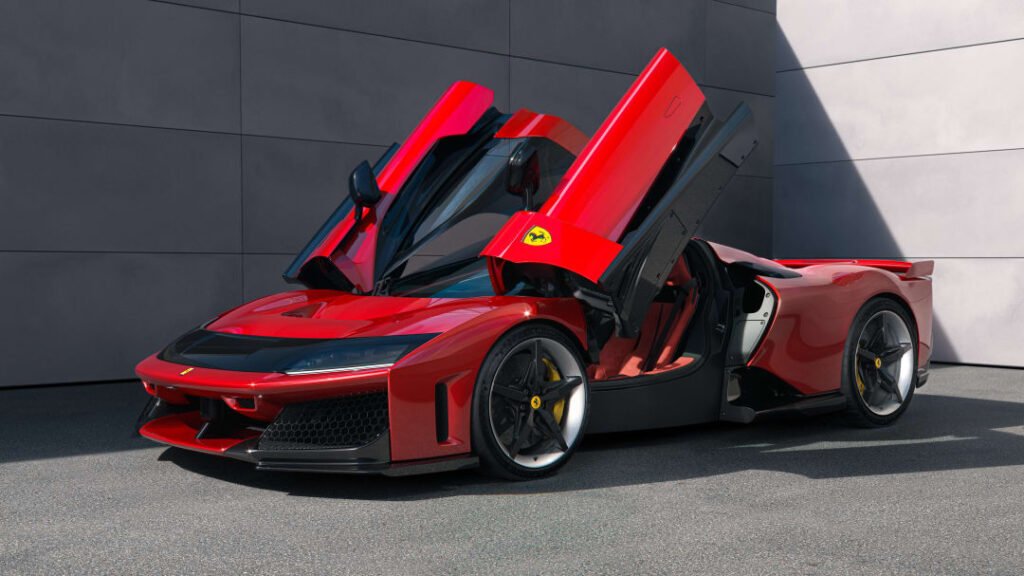

Ferrari F80 V6 superior to V12 Engineers Confirm Aerodynamic and Weight Benefits
For some devout followers of the Scuderia, the omission of a high-output 12-cylinder engine in the new F80 hypercar is a mortal sin. However, Ferrari engineers have stepped forward with a bold declaration. The Ferrari F80 V6 superior to V12 claim was made by Senior Product Marketing Manager Matteo Turconi, who asserted, “Without a doubt, today, the V6 is superior to a V12.”
This controversial decision was based purely on performance metrics and engineering necessity, not historical compromise. Ferrari chose the race-bred turbocharged V6 combined with a hybrid system because of its direct ties to Maranello’s dominant endurance racing program.
Here is a look at the data and engineering advantages that led Ferrari to make this statement.
The Racing Rationale
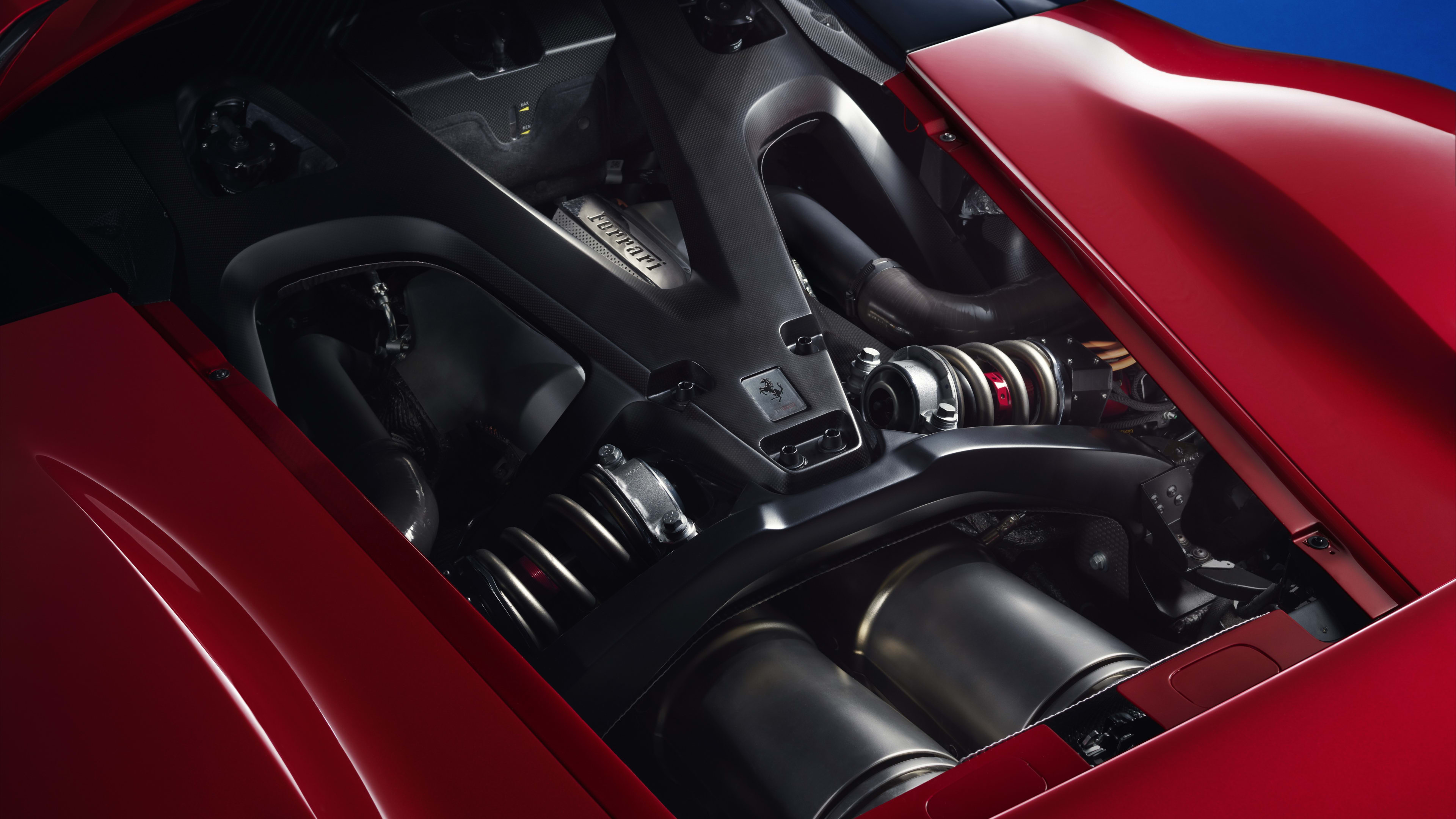
The F80’s twin-turbo V6 engine is derived from the engine in the Ferrari 499P, the three-time 24 Hours of Le Mans winner. The numbers were too hard to ignore, providing both record output and engineering flexibility.
| Metric | V6 Hybrid (F80) | V12 (LaFerrari Predecessor) | Advantage |
| Specific Output (ICE Only) | 296 hp per liter | ~120 hp per liter | Highest ever achieved in a production car. |
| Engine Positioning | Compact (allows tilt) | Physically massive | Allows for aerodynamic enhancement. |
| Total Combined Power | ~1,200 hp (883 kW) | 950 hp (LaFerrari) | Higher raw output. |
| Acceleration (0–100 km/h) | 2.15 Seconds | 2.4 Seconds | Significantly quicker off the line due to electric torque. |
The Aerodynamic Superiority
The Ferrari F80 V6 superior to V12 claim is rooted in physics. Ferrari vehicle engineer Matteo Lanzavecchia explained that moving away from the physically massive V12 allowed engineers and aerodynamicists the freedom they wanted.
- Tighter Packaging: Using six cylinders instead of 12 allows Ferrari to generate the same, or even higher, horsepower in a tighter space.
- Aerodynamic Freedom: This freed-up space enabled Ferrari to tilt the engine-transmission assembly and open up the rear section.
- Downforce: This allows for a massive expansion of the rear diffuser (now 180 cm long) to better exploit the extractor and underbody, generating significantly more vertical downforce and improved handling stability.
Ferrari acknowledges the emotional pull of the V12 but reiterated their commitment to three engine families—V6, V8, and V12—going forward. The panel concluded that the F80 was developed with the pure intent of showcasing its technical capabilities, rather than upholding its heritage, making the choice of the turbocharged V6 combined with a hybrid system the clear technical winner for the hypercar’s performance goals.
Also Read – Porsche 911 plug-in hybrid decision Explained by Two-Door Sports Car VP Frank Moser


Pingback: McLaren Race Mode GPS Lock Patent Would Restrict Supercar Performance On Streets