
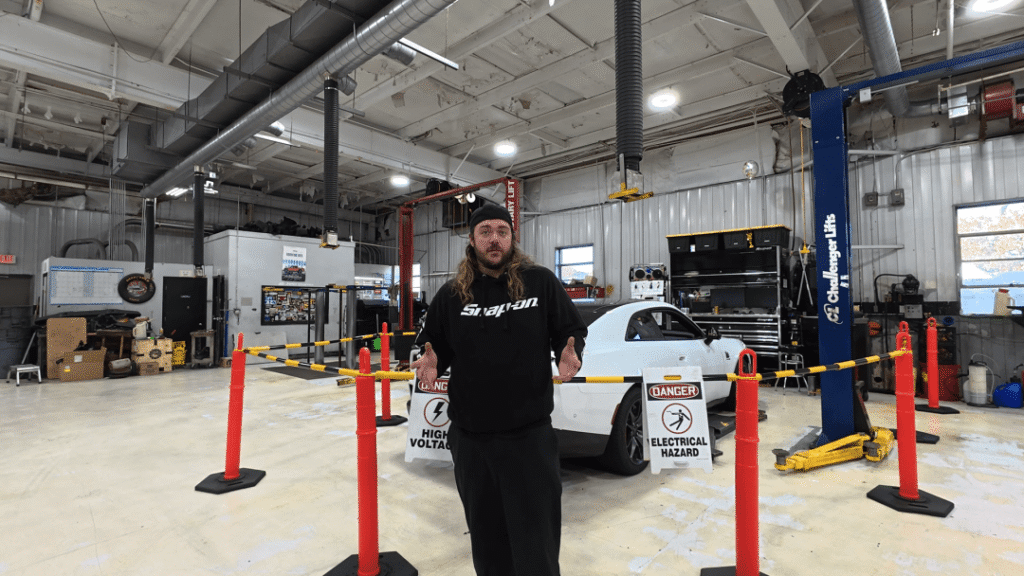

Dodge Charger Daytona service procedure Requires Controlled Shutdown and Isolation Tests
Dodge’s all-electric Charger Daytona has been a hot topic among muscle car diehards, but the move to electrification fundamentally changes how the car is serviced. The Dodge Charger Daytona service procedure differs dramatically from a traditional ICE model and is absolutely not a DIY job, due to high-voltage safety requirements.
Even when “off,” the Daytona’s high-voltage battery can store several hundred lethal volts. High-voltage safety, controlled shutdowns, and strict diagnostic sequences mean that even “simple” repairs now require extensive time and training.
Here is a look into the specialized protocol technicians must follow.
The Safety Protocol: More Than Disconnecting the Battery
With a gas-powered car, a technician simply disconnects the 12V battery and begins wrenching. The Daytona demands a rigorous sequence of safety steps that add time to each service:
| Step | ICE Procedure (Gas Car) | EV Procedure (Charger Daytona) |
| Initial Prep | Roll car into bay; lift. | Roll car slowly (under 2 mph); establish high-voltage quarantine zone; technician wears full electrical PPE. |
| Safety Standby | N/A | Another technician is on standby with a shepherd’s hook in case the hands-on tech gets electrocuted. |
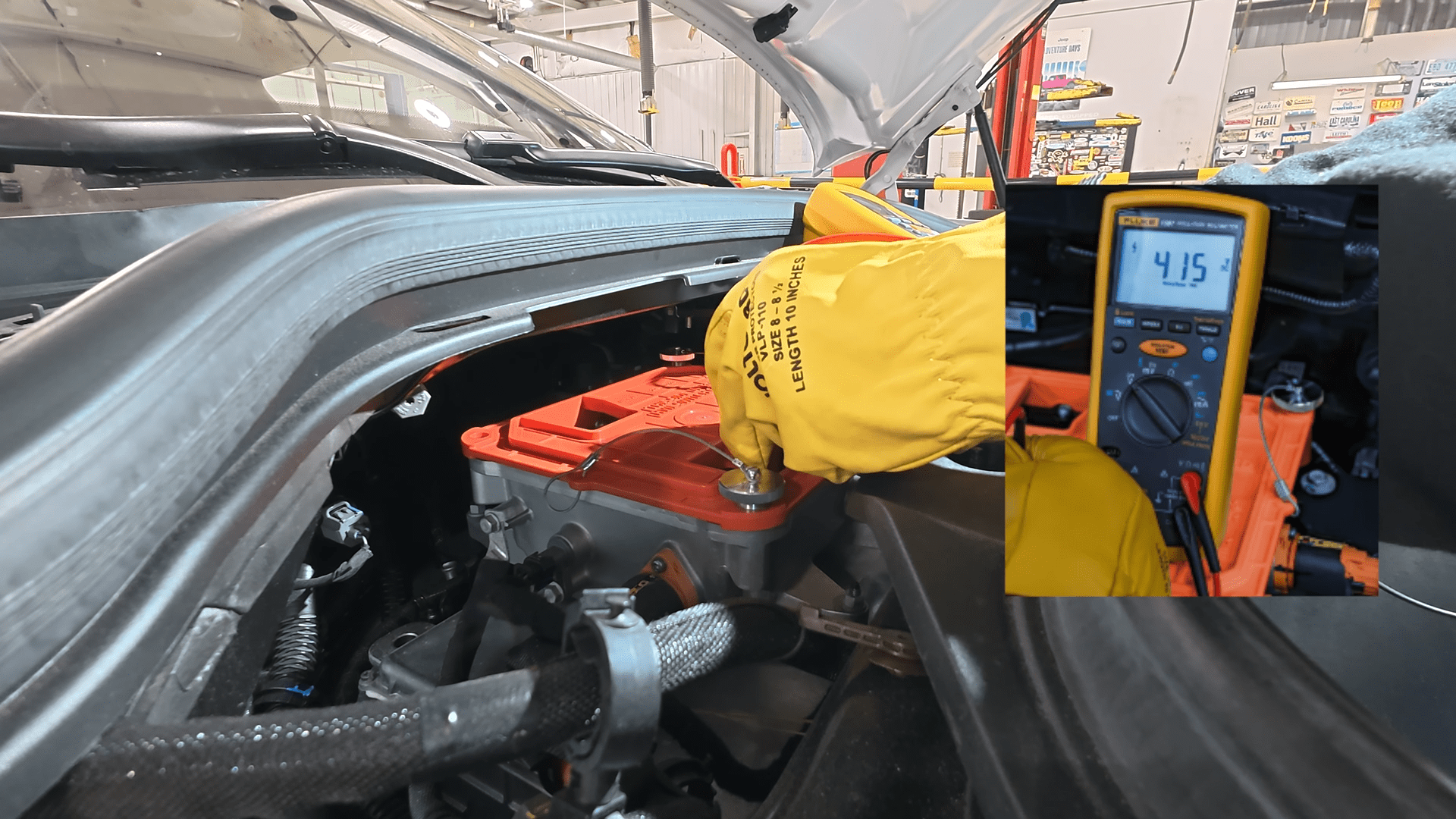
| Power Check | N/A | Verify system is live at test points (must read over 200 volts). |
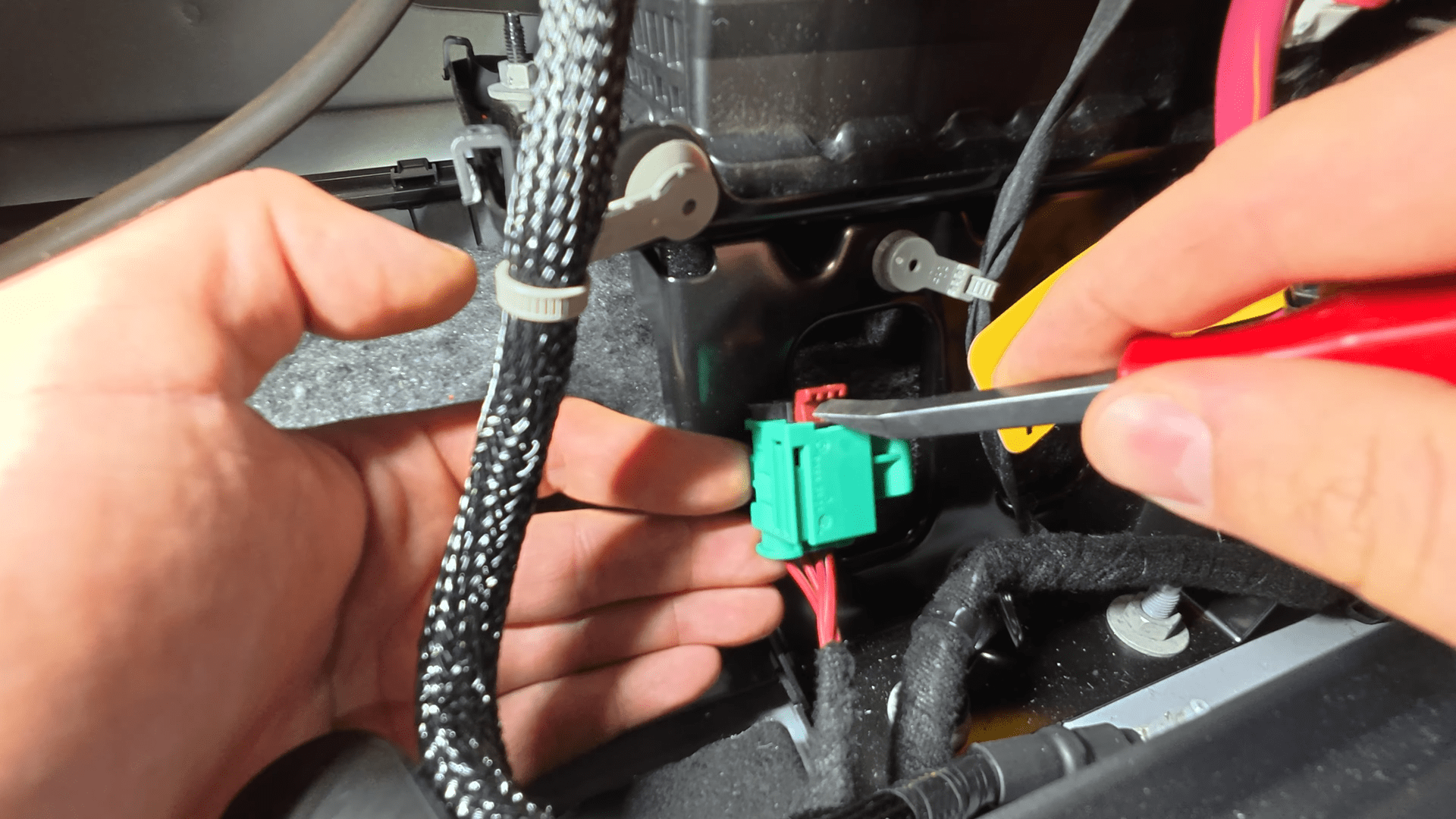
| Disabling | Disconnect 12V battery. | Disconnect high-voltage loop; confirm voltage drops to near zero; wait a minimum of 5 minutes for capacitors to discharge. |
| Final Test | N/A | Perform Loss of Isolation test (checks if electricity is leaking into the chassis, aiming for high megaohms). |
Only after successfully passing the Loss of Isolation test can repairs begin.
Why Service Takes Longer—And Why It’s Worth It
The stringent safety steps involved in the Dodge Charger Daytona service procedure ensure technician safety but add significant time compared to ICE models.
- Reconnection: After repairs, the system is reconnected, and the vehicle must clear a tedious list of fault codes generated during the shutdown. Only once all safeguards confirm the car is safe is the service considered complete.
- The DIY Warning: The complexity and the lethal voltage levels mean that performing an EV service at home is impossible without specialized training, tools, and personal protective equipment.
While routine repairs like oil changes and filter replacements are eliminated, the caution and expertise involved in high-voltage work should only be handled by certified professionals.
Also Read – Facelifted Genesis G80 Magma Specs: 500 HP and Aggressive Aero Cues


Pingback: Mercedes Benz 400 KW Fast Charging Hub Opens At Starbucks In California