


Why Dealerships 90s Sales Tactics Are Making a Shocking Comeback!
The modern car-buying experience is often a sterile and impersonal one. Buyers trudge onto lots hoping to be ignored, while salespeople, who often know little about the cars, act as mere “concierges” for a journey the customer already researched online. But this transactional relationship is failing. Now, in a slowing economy, car dealers are digging into the past to save their future, and they’ve landed on dealerships 90s sales tactics as the key. This isn’t about high-pressure sales; it’s about reviving the lost art of the personal relationship.
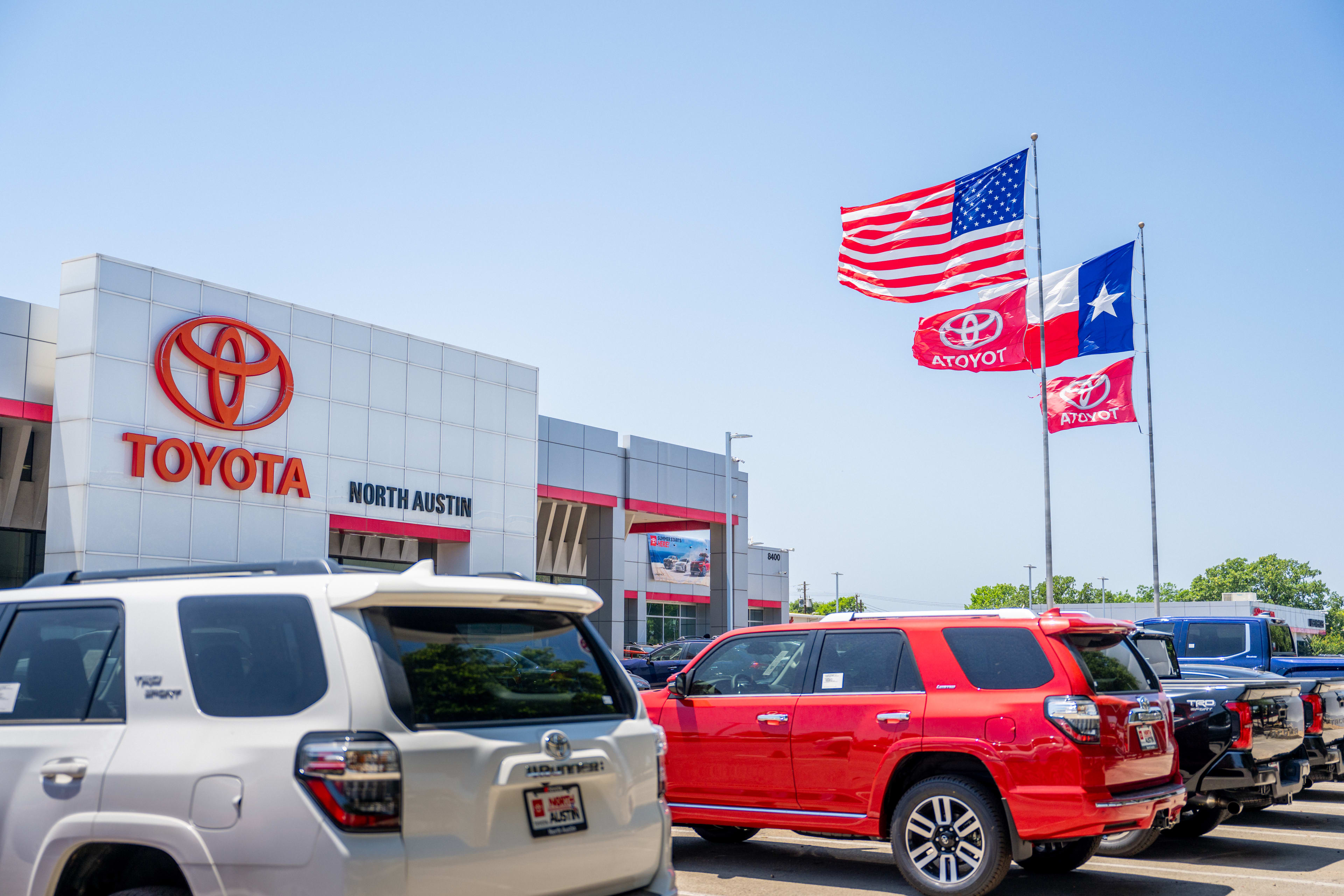
What ’90s-Era Tactic Are Dealers Reviving?
Like retro Taco Bell menus and JNCO jeans, the 1990s are back. For car dealers, this means re-learning how to build long-term, personal relationships with customers instead of treating them like one-time commission targets.
In a recent podcast, David Long, Executive General Manager at Hansel Auto Group, laid out the new (old) playbook. “If we’re going to grow our own business, I really truly believe there’s got to be long-term committed, established, mature relationships,” Long said.
He recalls that in the 1990s, things were far more personal. He would deliver cars to customers’ homes and, crucially, express gratitude for their business after the sale.
This is the core of the revived tactic: making the customer and their co-buyer feel valued. It’s a direct response to the modern sales process, which has become cold and transactional, leaving customers feeling ignored or, worse, like a problem to be “handled.”
Why the Modern “Sterile” Experience Is Failing
In recent years, dealerships have tried various tactics to “fix” the buying process. The most famous was no-haggle pricing. While it eliminated the main pain point of negotiation, it also made the entire experience feel sterile. It didn’t build a relationship; it just turned the salesperson into a cashier.
This impersonal approach has a high cost. Customers feel no loyalty to the dealership, planting the “buy-back” seed for trade-ins becomes impossible, and buyers are more likely to sell to a third party like CarMax.
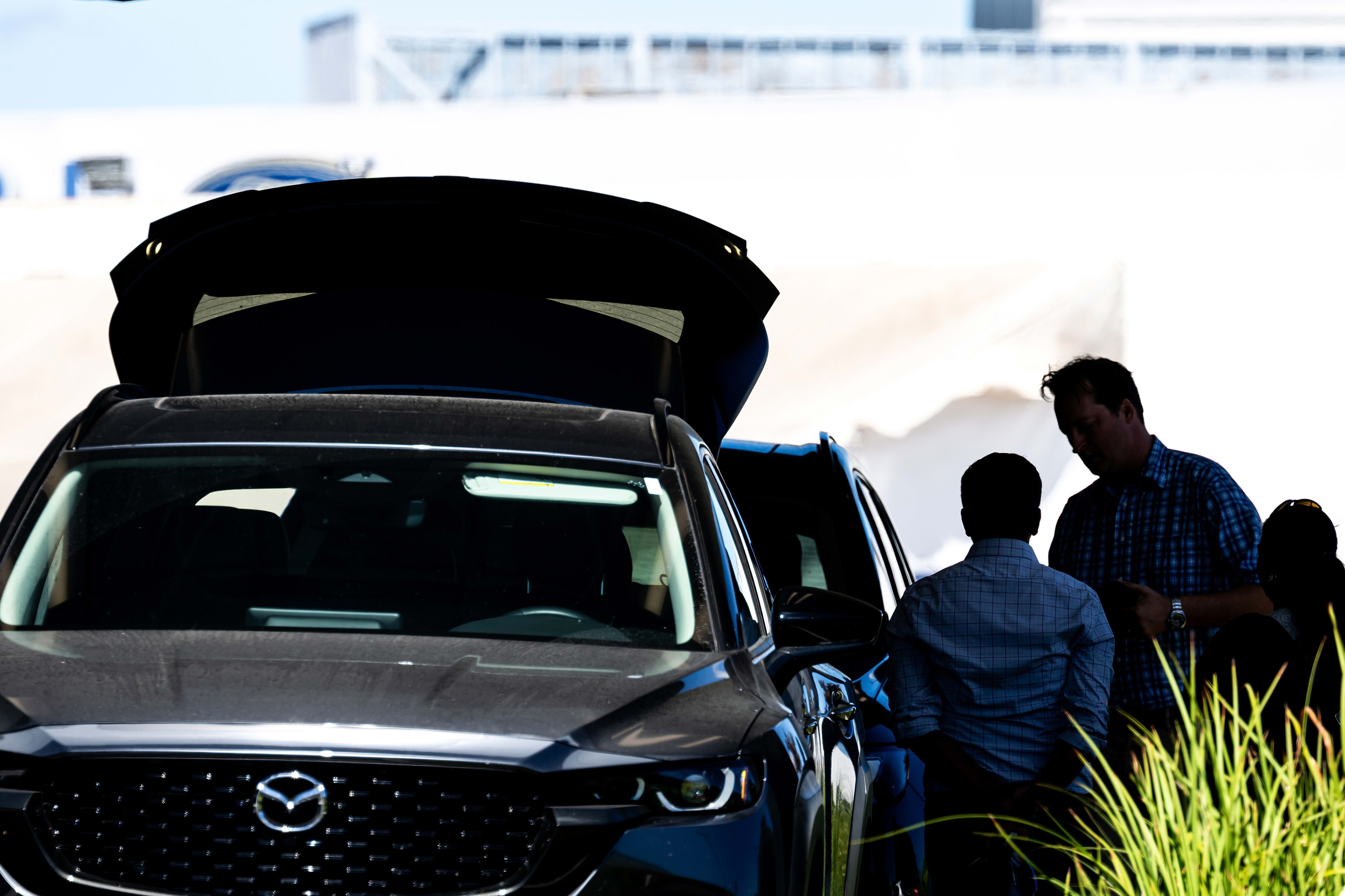
Does This Old-School Tactic Actually Work?
According to David Long, the results are immediate and measurable. By implementing these “old-school” relationship-building techniques, his dealership’s key metrics have all improved:
- Repeat and referral business has gone up.
- The first-appointment “show ratio” is much higher.
The point, Long makes, is that sales will come more naturally when they flow from a solid relationship. Reminding customers that the dealership offers accessories often brings them back for high-margin purchases. Planting the trade-in seed early ensures they return to you first. By acting as a trusted partner, the dealership creates a loyal customer for the entire ownership journey.
Expert Analysis: A Smart Move in a Low-Loyalty Market
This pivot to dealerships 90s sales tactics is a brilliant strategic move in a market with dangerously low brand loyalty. Recent data shows that only half of car buyers say they will stick with the same make for their next purchase.
This is a figure that dealers have to reckon with. While they don’t build the cars, their impersonal, forgettable sales process directly impacts that brand’s loyalty. A poor dealership experience can sour a customer on an entire brand, perhaps even more than the vehicle’s features.
Feeling ignored after making a significant purchase is arguably worse than dealing with an overzealous salesperson. This 90s-era outreach might just be the solution.
Conclusion
Nobody is nostalgic for the days of polyester-suited dealers talking you into a bad purchase. But the core of the dealerships 90s sales tactics—personal attention, gratitude, and relationship-building—is exactly what’s missing from the modern, sterile sales process.
Get ready for your next car-buying experience to feel a little more personal. Dealerships are re-learning that a little bit of old-fashioned attention might just be the most modern sales tool they have.
What do you think? Would a more personal, 90s-style relationship make you more loyal to a dealership? Share your thoughts below!
Also Read – Are Dealership Service Department Problems Costing You Trust?


Pingback: A Mysterious New Kia Telluride Variant Is Hiding Under This Sheet!