
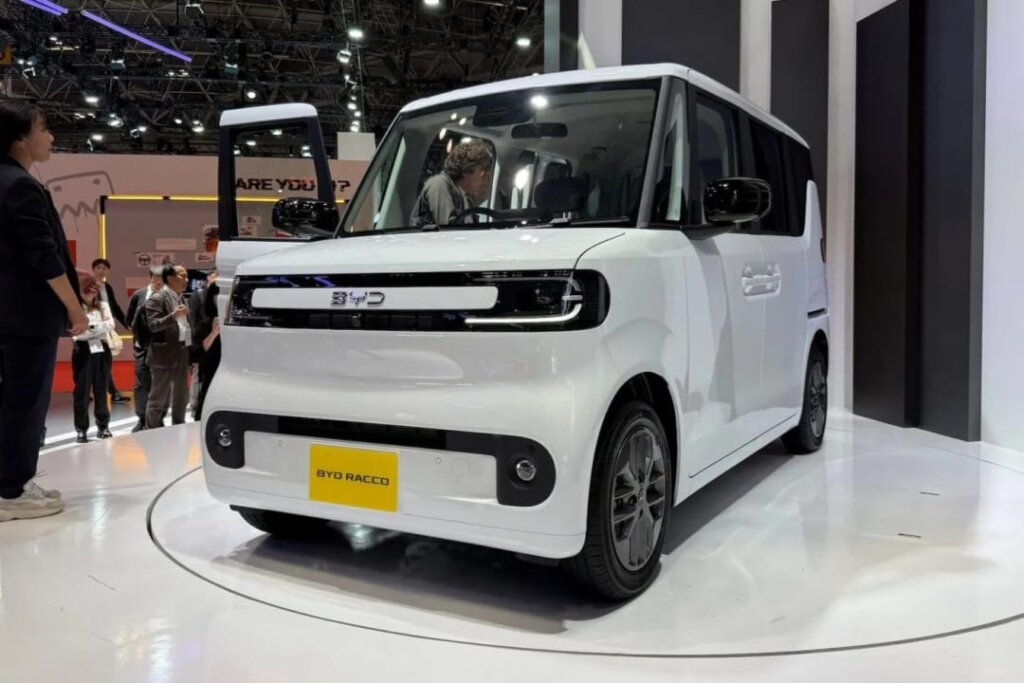

BYD Debuts Electric Kei Car ‘Racco’ at Japan Mobility Show: China is Coming for Japan’s Tiny Cars
Chinese EV giant BYD is making a bold challenge to Japan’s domestic automakers—who have long dominated the segment—with the unveiling of the electric Kei car Racco at the Japan Mobility Show. The Racco, which will be built to comply with Japan’s strictly regulated size and engine displacement limits, marks BYD’s first model designed exclusively for an overseas market. The all-electric microcar is expected to be powered by a 20 kWh Lithium Iron Phosphate (LFP) Blade battery, offering a claimed range of 111-112 miles (180 km) and is anticipated to start at a highly competitive price of around ¥2.6 million ($17,000).
The Racco: An Electric Challenger in a Regulated Segment
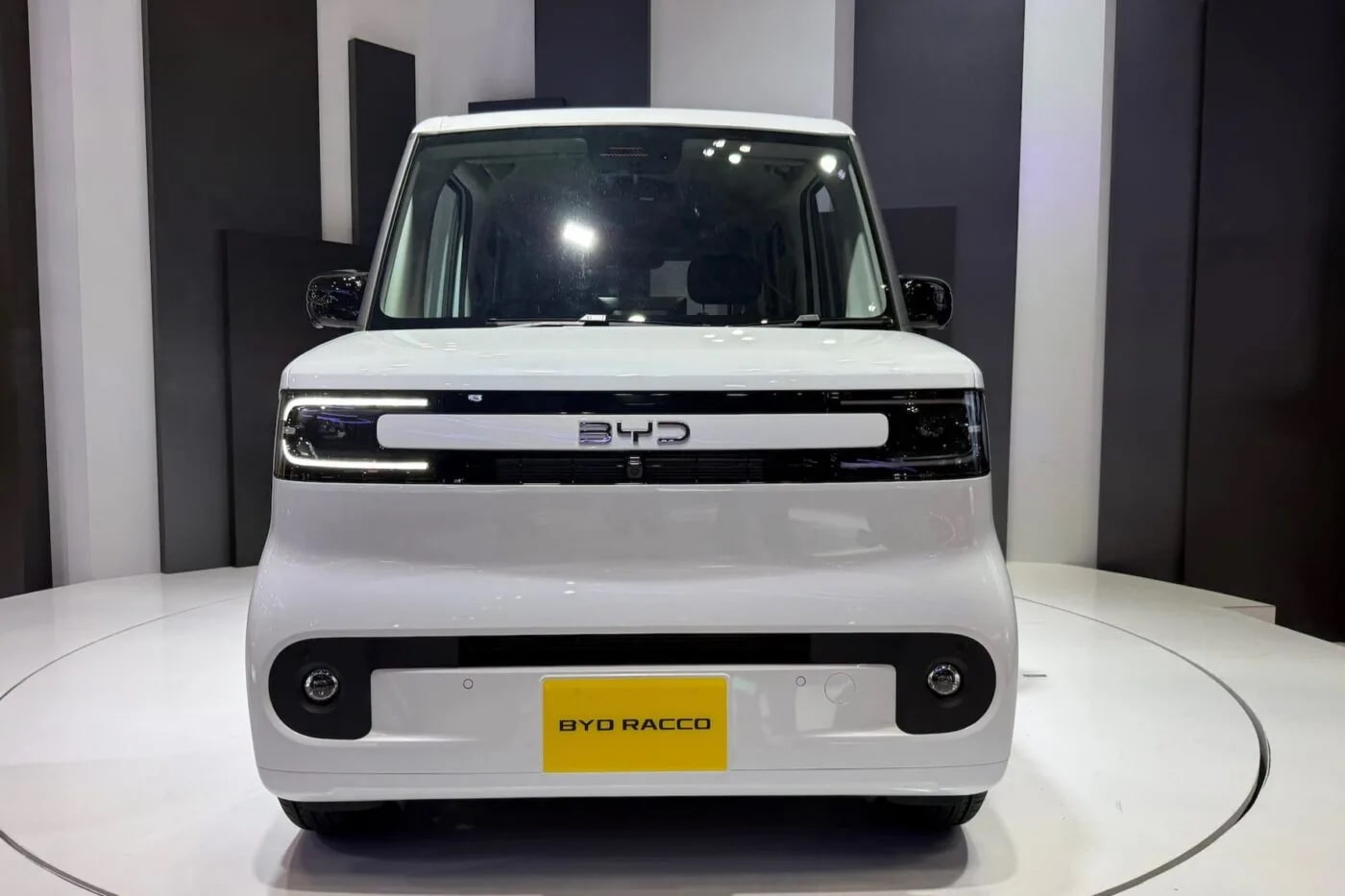
The BYD Racco is designed to leverage the advantages of electric technology within the unique constraints of the Japanese Kei car segment.
- Kei Car Definition: Kei cars (short for keijidōsha, or ‘light automobile’) are ultra-compact vehicles subject to strict Japanese regulations:
- Maximum Length: 3.4 meters (11.2 ft).
- Maximum Width: 1.48 meters (4.9 ft).
- Engine Displacement: Under 660 cc (if gasoline-powered).
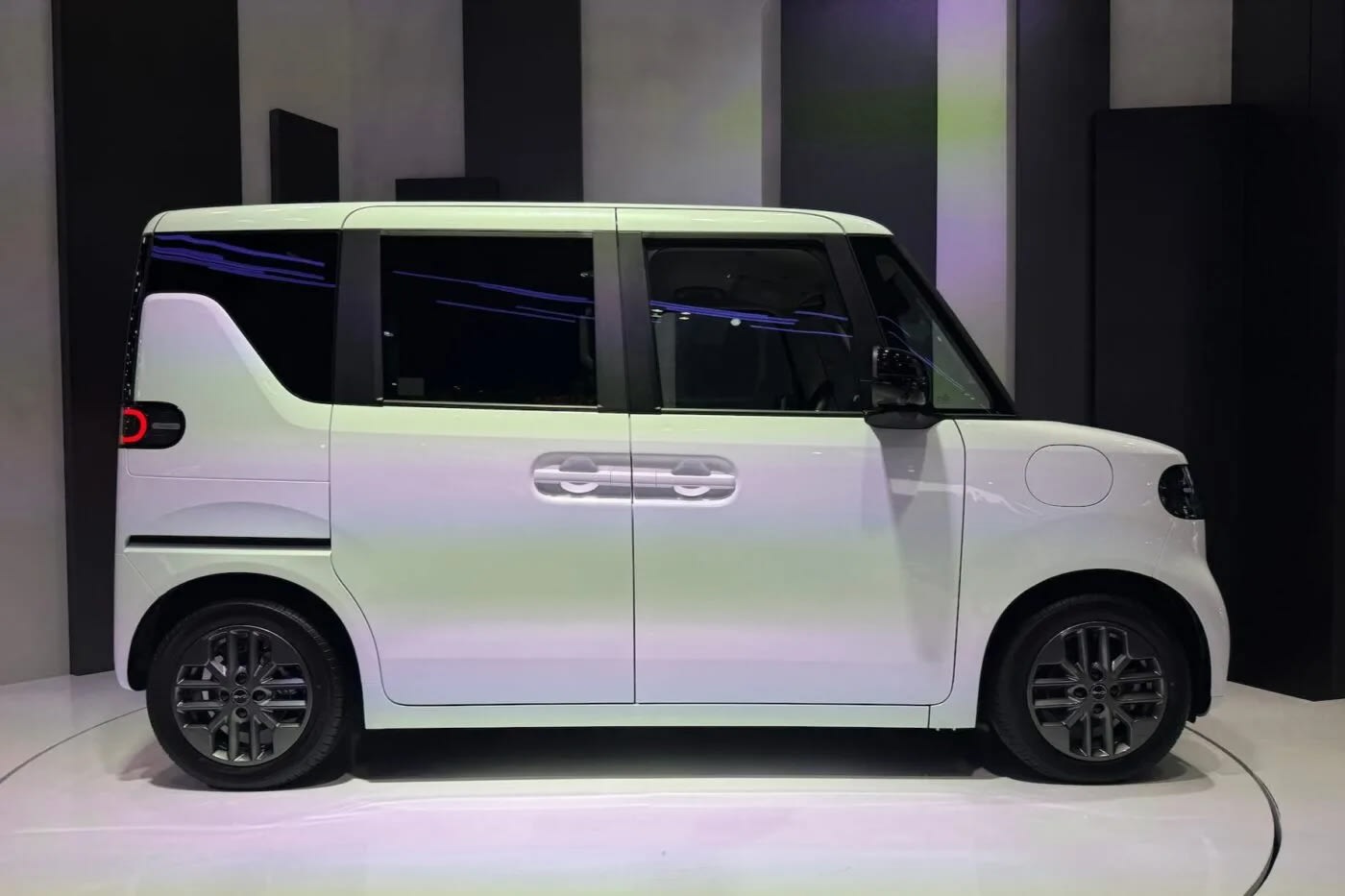
- BYD Specs: The Racco adheres to these dimensions, measuring 3,395mm long, 1,475mm wide, and 1,800mm tall.
- Powertrain & Range: It is expected to use a 20 kWh LFP battery pack, giving it a WLTC range of around 180 km (111-112 miles). It also supports DC fast-charging up to 100 kW.
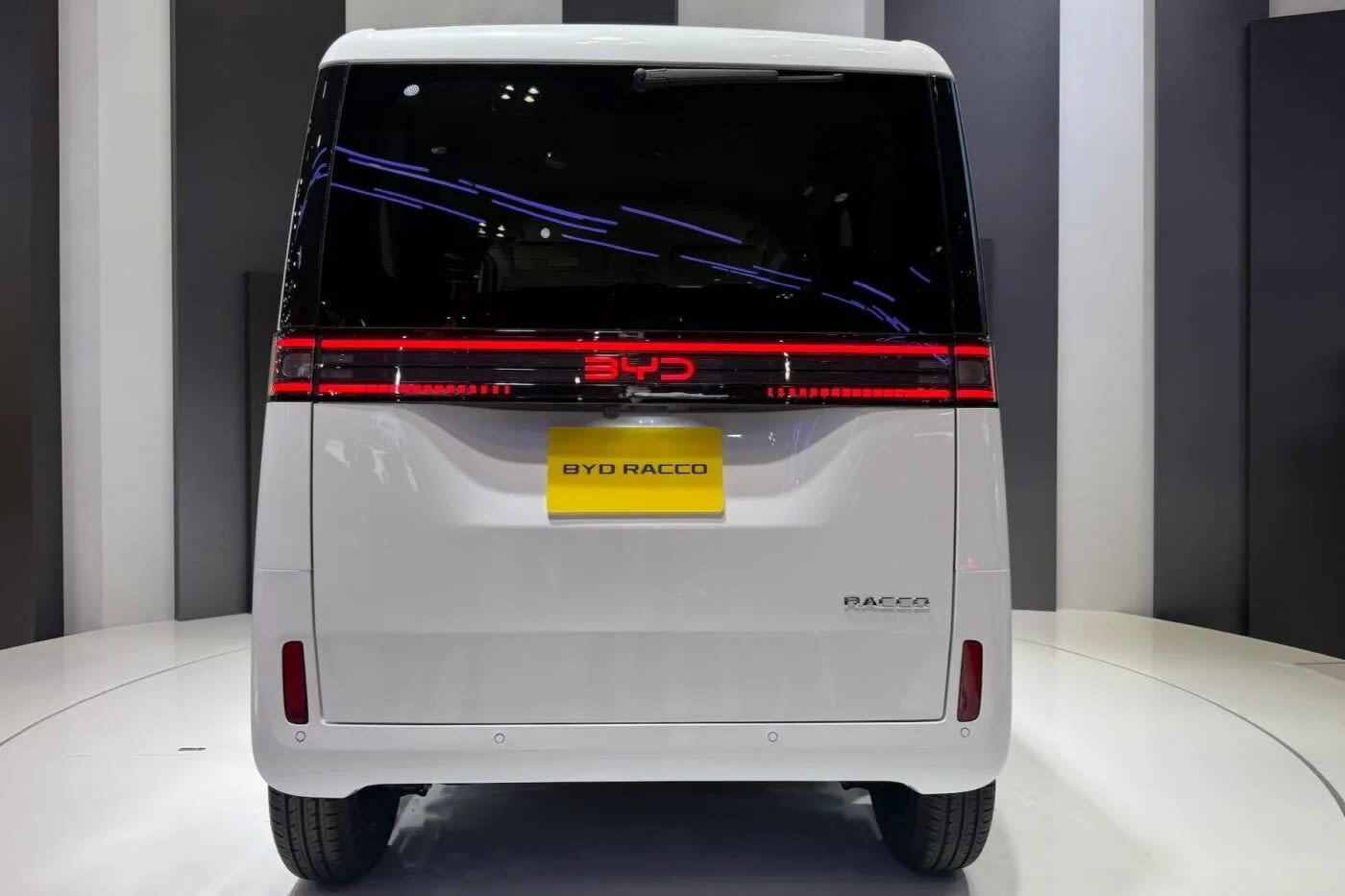
- Design: The Racco features the typical boxy, tall proportions of a Kei car, with sliding rear doors for easy access in tight city spaces. The lack of a grille and connected tail lamps with a backlit BYD logo identify it as a modern EV.
Strategic Entry into the Japanese Market
BYD’s entry into the Kei car segment is a calculated move to capitalize on evolving market conditions in Japan.
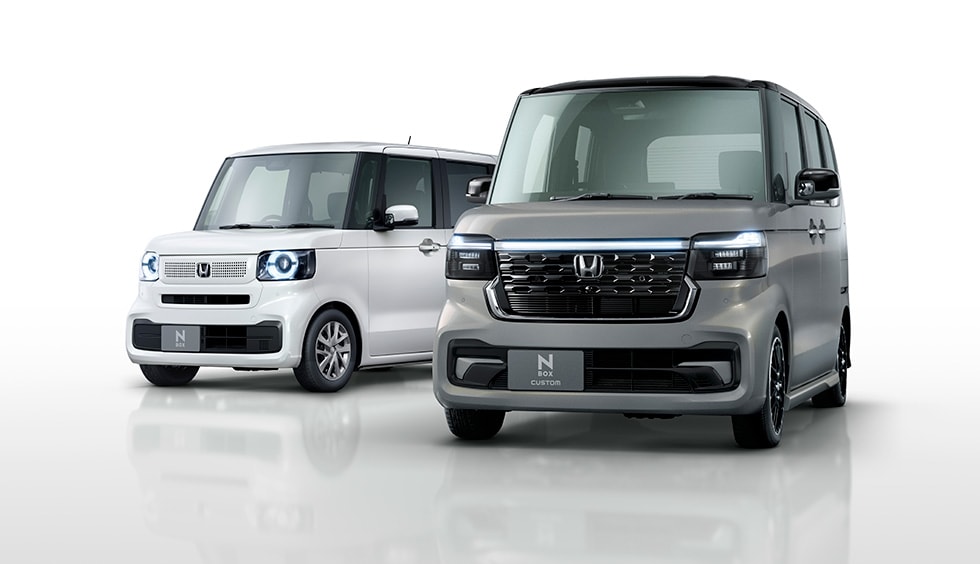
- Affordability Focus: The Racco is positioned to attract cost-conscious buyers of ultra-compact vehicles, directly competing with rivals like the Nissan Sakura and Honda N-Box. The expected starting price of ~$17,000 is competitive with the Nissan Sakura’s price.
- Market Opportunity: Kei cars account for about a third of passenger car sales in Japan. Despite this popularity, the segment has a relative dearth of electric options, offering BYD a potential foothold.
- Domestic Advantage: Japanese automakers have historically struggled to compete in the EV space against Chinese manufacturers, who have a “head start” while Japanese brands focused on hybrid tech.
- Broader Strategy: The Racco is part of BYD’s wider “EV + PHEV” strategy for Japan, aiming to launch seven to eight electrified models in the market by 2027.
Final Thoughts
The unveiling of the BYD Racco is a significant moment that signals the intensity of the global EV race has reached even the most protected domestic markets. By delivering a tailored, affordable, and fully electric Kei car, BYD is challenging the dominance of Japanese rivals like Honda and Suzuki, who invented the segment. If the Racco is priced right and meets consumer expectations for quality, its uniqueness and inherent electric advantages (affordability and low running costs) could allow it to make a substantial mark in the Kei car space, fundamentally changing the competitive dynamics in Japan’s urban mobility sector.


Pingback: Nissan Pathfinder Lease Deals: $399/Month SV 2WD Offer Arrives With SignatureFLEX Mileage Program - Mechhelp