


BYD EV Sales Decline: Even BYD Can’t Escape Declining EV Sales Amid Global Market Slowdown
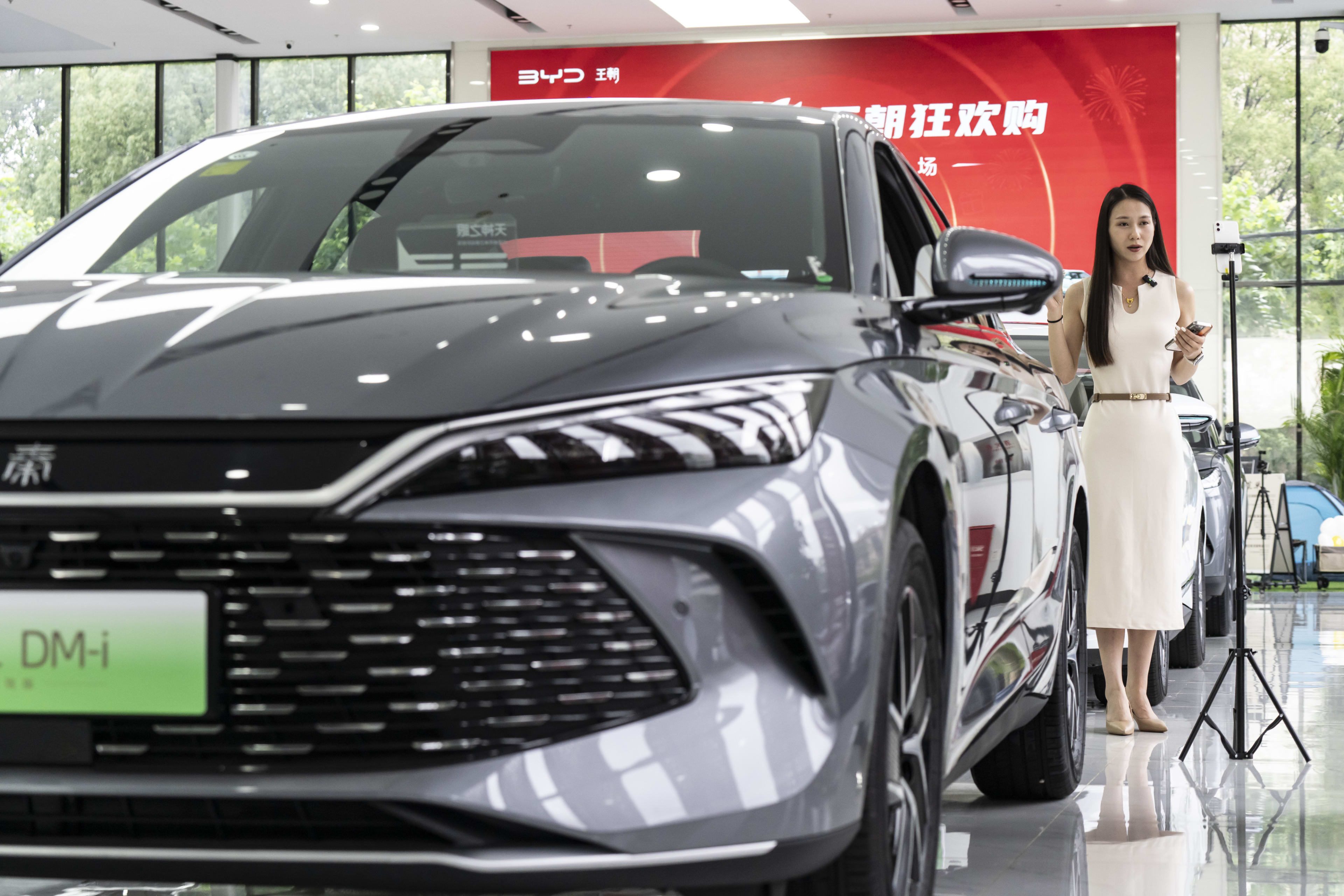
BYD EV Sales Decline has become the latest sign that the global electric vehicle (EV) market is hitting the brakes. The world’s largest EV producer, BYD, reported a 12% year-over-year (YoY) drop in October sales, delivering 441,706 vehicles and marking its second consecutive monthly decline. This stumble highlights a critical turning point: years of explosive growth driven by subsidies and low financing are ending, and even dominant players are not immune to the market cooling. The end of easy growth means the future of the EV revolution will rely on affordability and reliability, not hype or government incentives.
BYD’s Stumble and China’s Intensifying Competition
The October figures were a rare setback for the Chinese giant, reflecting weakening demand in its home market.
- Sales Drop: BYD EV Sales Decline hit 12% YoY in October, with 441,706 vehicles delivered.
- Loss of Lead: The slowdown was severe enough to knock BYD off its perch as China’s top-selling automaker, which was overtaken by state-owned SAIC Motor (453,978 vehicles).
- Stock Impact: BYD’s shares fell nearly 2% on the news, bringing them to a nine-month low.
- Ambitious Target: To meet its full-year target of 4.6 million units, BYD needs to move at least 450,000 vehicles per month through the end of the year, an ambitious pace amid intensifying competition.
- Rival Success: The crowded Chinese market saw rivals like Geely, Xpeng, Leapmotor, and Xiaomi post record sales in October, underscoring the fierce competitive pressure.
A Global Chill: The Impact of Lost U.S. Incentives
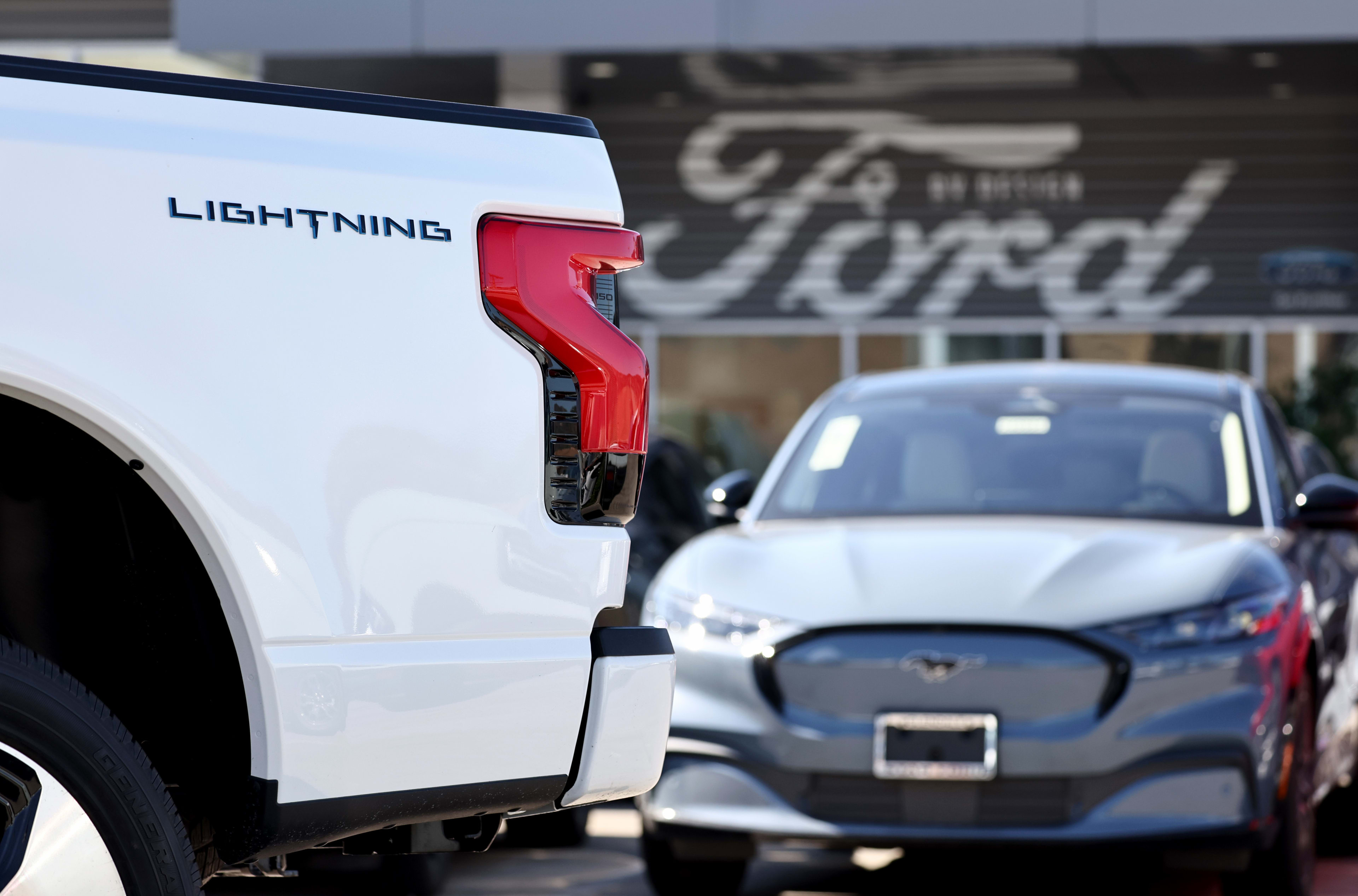
The sales struggles are not limited to China, as the U.S. market immediately felt the impact of the scrapped federal EV tax credit.
- U.S. Plunge: Several automakers reported massive declines in EV sales last month following the expiration of the $7,500 federal tax credits at the end of September.
- Ford: EV sales plunged 25% YoY in October.
- Hyundai and Kia: Reported even steeper declines, ranging from 52% to 71%.
- Toyota: Sold just 18 units of its bZ4X electric SUV, down from over 1,400 the year prior.
- Hybrid Hedge: Automakers are now pivoting, betting that hybrids will carry them through the downturn. Hyundai, for example, reported a 41% surge in hybrid sales last month.
- Consumer Behavior: The slump was largely expected as many consumers rushed to complete purchases in Q3 before the incentives expired, artificially inflating sales numbers.
The End of Easy Growth for EVs
The current slump marks a turning point for the EV industry, signaling the end of an era fueled by subsidies and hype.
- Fading Tailwinds: Years of government subsidies, cheap financing, and rapid technological improvement—tailwinds that pushed EVs into the mainstream—are now fading.
- New Reality: The next phase of the EV revolution will demand that automakers compete on fundamentals: making electric cars affordable, reliable, and genuinely desirable without government financial support.
- Market Pressure: This pressure is intensifying globally through price wars in China, high interest rates in Europe, and the loss of incentives in the U.S..
Final Thoughts
The BYD EV Sales Decline in October, mirrored by drops at major rivals like Tesla (which also faces increased competition) and Ford, confirms that the EV market has entered a more challenging, cost-sensitive phase. The era of easy growth is over. The coming years will be a test of engineering and affordability, with brands relying less on subsidies and more on the intrinsic value of their products to push the EV revolution forward.
Also Read – Toyota Hints Land Cruiser Could Get V8 Back: New Twin-Turbo 4.0L V8 Engine is Technically Compatible


Pingback: Hyundai Will Have Four Pickup Trucks By 2030, Including Dedicated Body-on-Frame Truck For U.S. - Mechhelp