


Shocking $1.9M Payout in BMW Soft Close Door Lawsuit!
A New York jury has ordered BMW to pay a stunning $1.9 million in a BMW soft close door lawsuit after a man lost the tip of his thumb. The feature, designed for luxury and convenience, was found to be the subject of a “deceptive omission” by the automaker, leading to a massive payout for the injured owner. This case wasn’t about a defective part, but about the warnings that BMW failed to provide.

The Case: A Feature Turns Dangerous
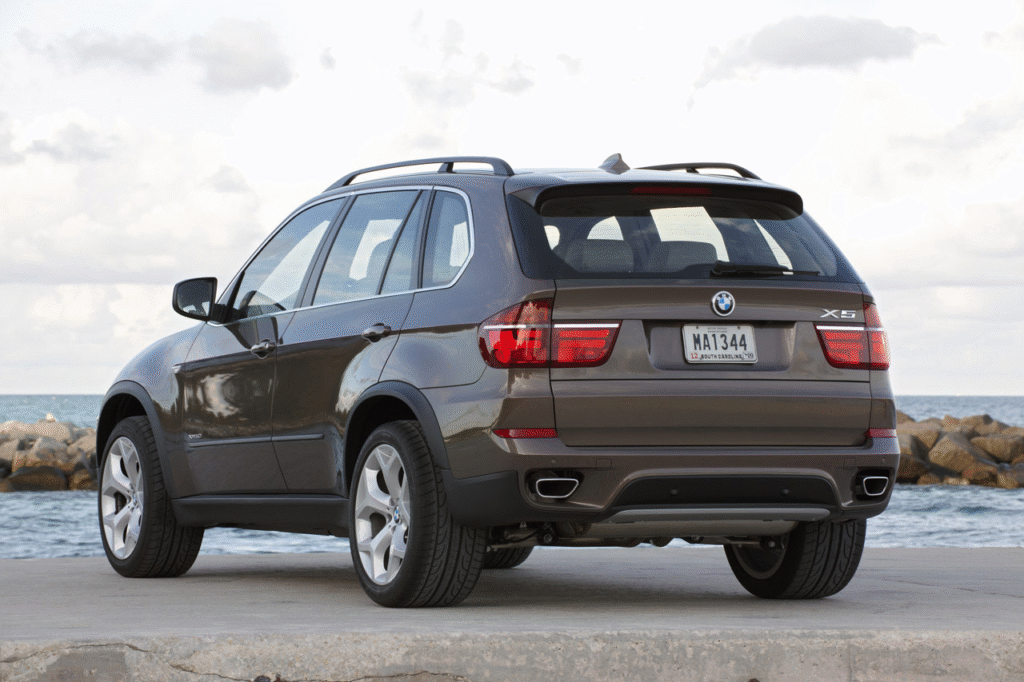
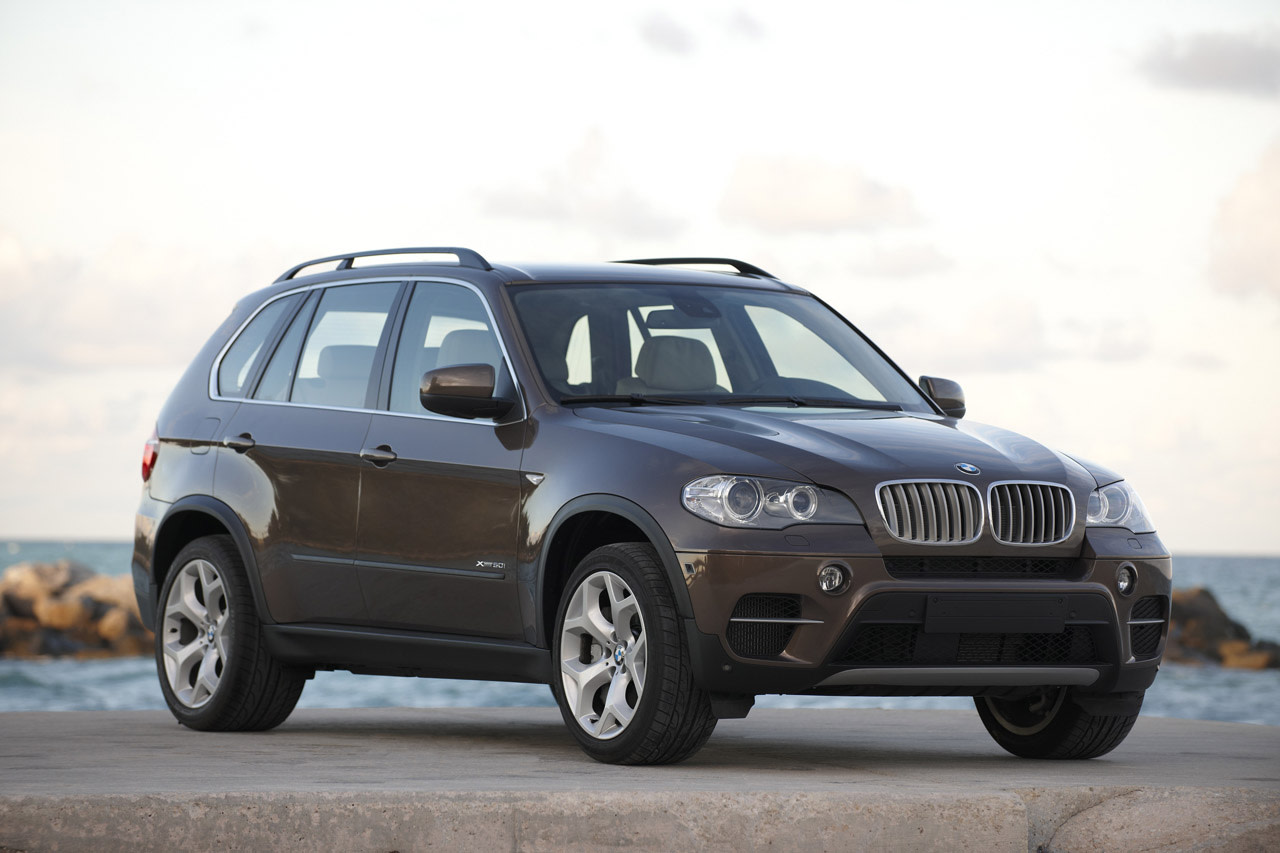
Soft-close doors are a common feature in the luxury car world, elegantly pulling a door shut so you don’t have to slam it. But for one owner of a 2013 BMW X5, that convenience turned into a nightmare.
According to the report from Car Complaints, the plaintiff “rested his right hand on the driver’s door column with his back facing the vehicle and the door about one-foot open.” At that point, the soft-close mechanism allegedly engaged, pulling the door shut on his thumb and severing the tip.
BMW’s argument was one of pure common sense: a door is a door. The automaker’s lawyers argued, “Plaintiff understood since childhood, not to put a finger or body part in between a door and its door frame while it is closing.”
The Verdict: Why New York Sided With the Plaintiff
This is where the case takes a fascinating turn. The jury and the subsequent appeals court did not find any defect with the car itself. The door was working exactly as it was designed to.
Despite this, the jury placed the blame squarely on BMW. Why? The appeals court upheld the decision, citing a violation of New York General Business Law § 349 for a “deceptive omission.”
In plain English, the court ruled that BMW “deceptively omitted the dangers” of the feature. By failing to provide adequate warnings about the specific risks of a door that pulls itself shut with mechanical force, BMW was found liable for the injury. BMW’s attempt to appeal the decision was denied.
The Payout: A $1.9 Million Thumb
The $1.9 million judgment was broken down as follows:
- $800,000 for past pain and suffering
- $850,000 for future pain and suffering
- Over $250,000 for lost earnings
This was actually less than the $3 million in lost earnings the plaintiff had originally claimed due to the injury.
Expert Analysis: A Warning About Warnings
This BMW soft-close door lawsuit is a stunning reminder that in the eyes of the law, a feature working as designed can still be a liability. The verdict hinges entirely on the idea of “deceptive omission.”
While BMW argued “everyone knows not to put their finger in a door,” the court’s decision suggests a mechanically-closing door presents a different and greater risk than a standard door. The plaintiff’s lawyer argued that the owner was “masqueraded” by a “puppet responder,” implying the danger wasn’t obvious.
This isn’t the first time this feature has faced a lawsuit. A similar case was dismissed by a judge who said, “humans have been slamming their fingers in doors since doors were invented.” In this New York case, however, the jury clearly felt BMW’s high-tech feature required a high-tech warning to match.
Conclusion
This $1.9 million BMW soft close door lawsuit serves as an expensive lesson for automakers. As cars become more automated, the legal responsibility to warn users about non-obvious dangers is growing. For BMW, the lack of a simple, clear warning about the door’s force just cost them nearly $2 million.
What do you think? Was this a case of “deceptive omission” by BMW, or just a painful, expensive accident? Share your thoughts below!
Also Read – This 670-HP 2026 Dodge Charger Daytona Build Costs $83,690!


Pingback: These Dealership Service Department Problems Are Costing You Money!