
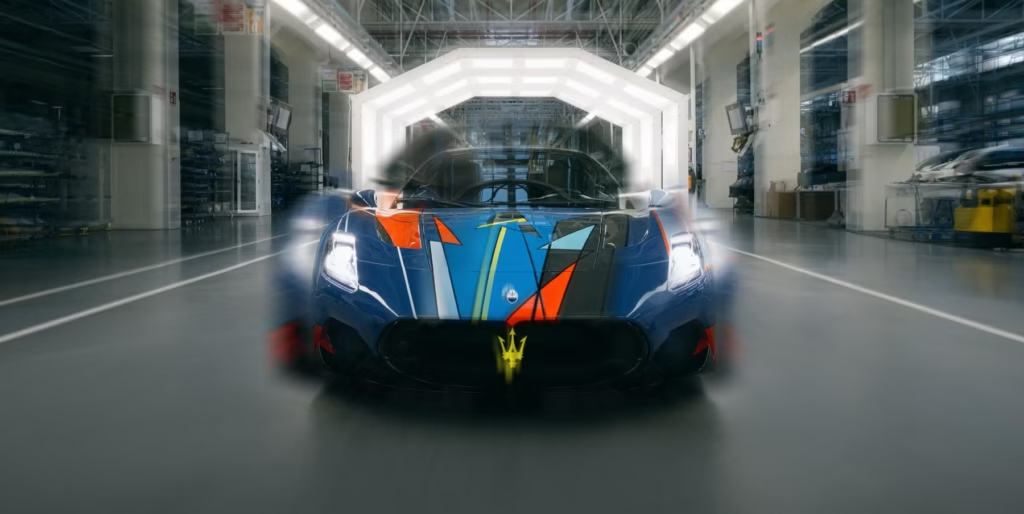

BottegaFuoriserie: Alfa Romeo and Maserati Working Together, But Definitely Not Merging
Alfa Romeo and Maserati are joining forces under the new BottegaFuoriserie enterprise, designed to leverage the “excellence” of both brands in the Motor Valley. This new division will focus on highly profitable, exclusive projects like one-offs, bespoke customization, heritage restoration, and racing engineering. Vigorously denying any suggestions of a merger, Stellantis confirmed that BottegaFuoriserie will enhance the two separate brands, using collaboration as a tool to “generate more revenue” and “spread our Motor Valley Italian-ness around the world.”
BottegaFuoriserie: The Structure of Collaboration
The new entity, led by general manager Cristiano Fiorio and overseen by Santo Ficili (CEO of Alfa Romeo and COO of Maserati), is built to harness the strengths of both brands in high-margin niche areas.
- No Merger: Fiorio explicitly stated, “We are definitely not combining the brands. We have two amazing brands, and we don’t need another one”. The goal is to “enhance the existing activities” and “spread our Motor Valley Italian-ness”.
- Division of Labor: The work is divided into four key pillars:
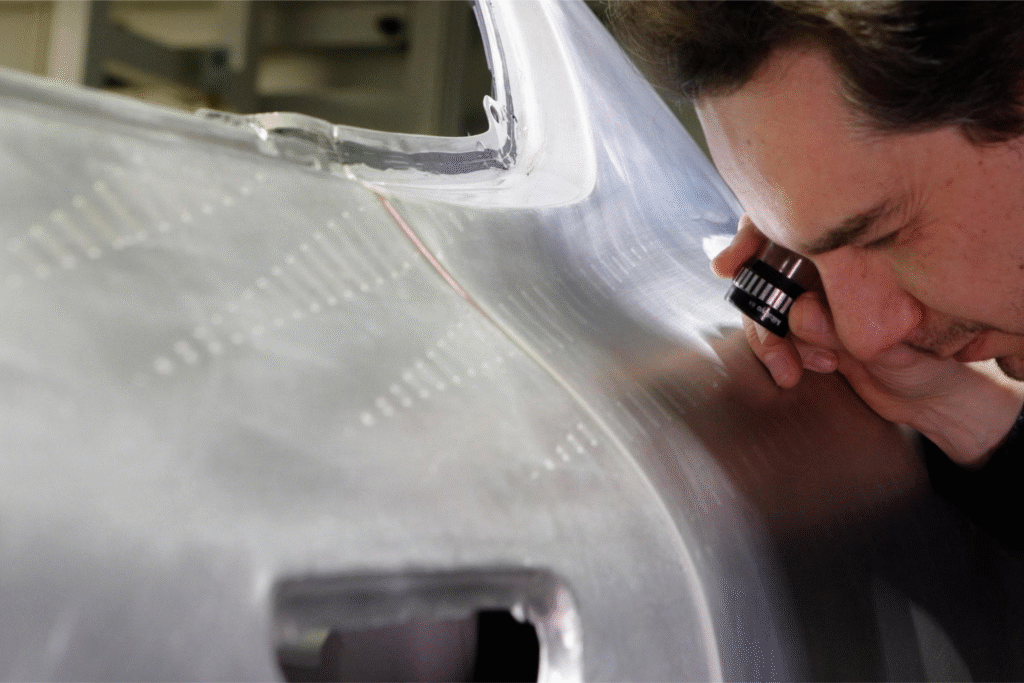
- Bottega: Exclusive one-offs and “few-off” limited runs (e.g., the Alfa Romeo 33 Stradale).
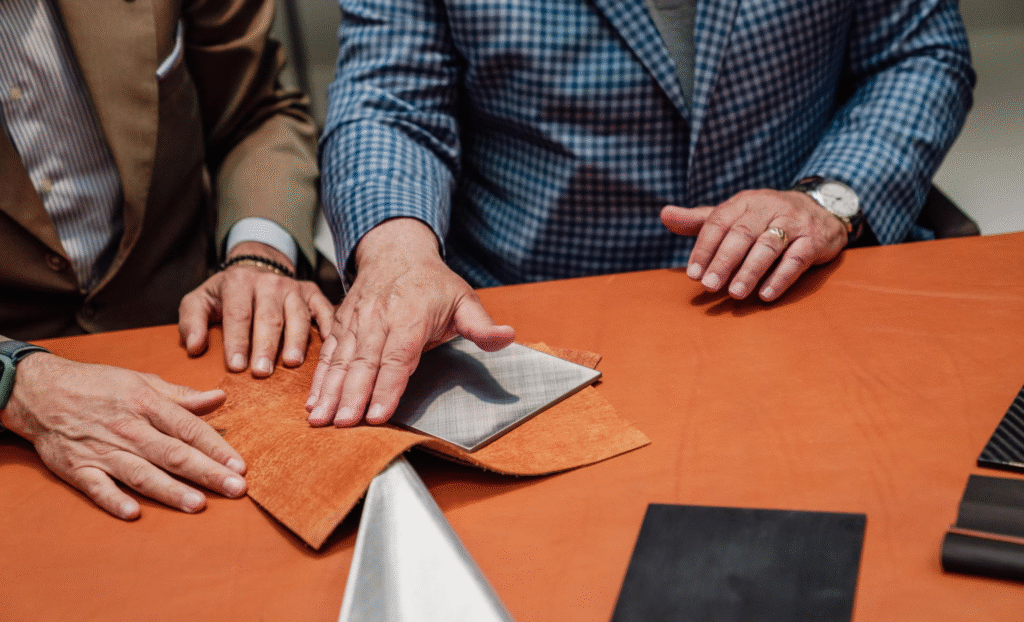
- Fuoriserie: Bespoke customizations of existing cars (e.g., personalized versions of the Maserati GranTurismo).
- La Storia: Brand heritage, including restoration services (sharing a methodology) and historical museums.
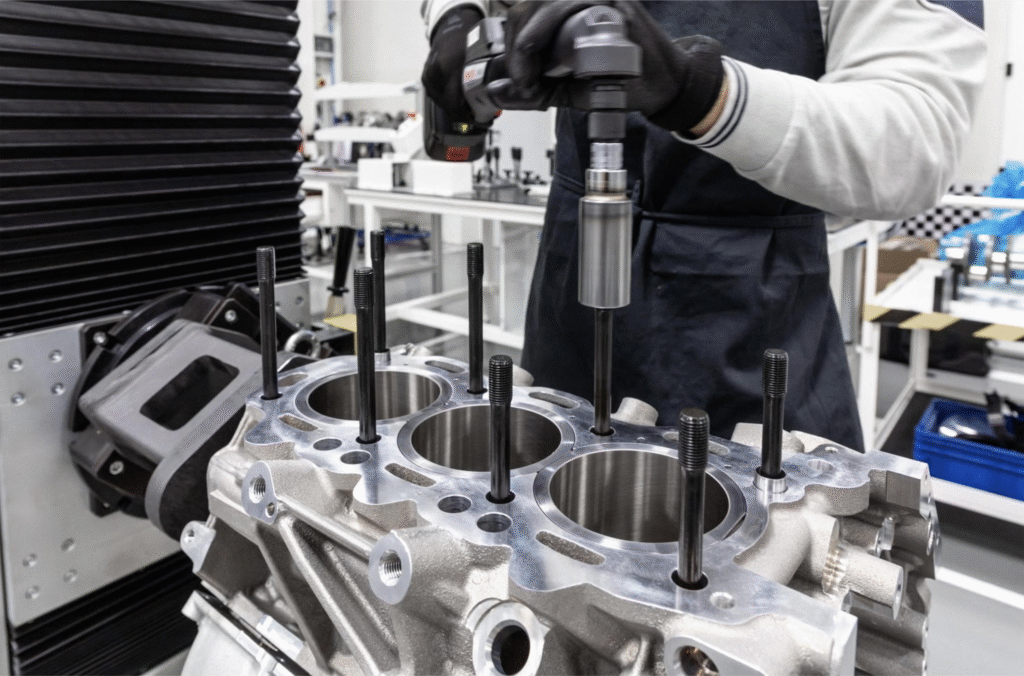
- Corse: Racing engineering and related projects.
Focus on Exclusivity and Profit Generation
The creation of BottegaFuoriserie is a commercial strategy aimed at maximizing profitability through ultra-exclusive, high-demand products.
- High-Margin Projects: The division handles projects like the $1 million Alfa Romeo 33 Stradale (limited to 33 units) and the $1.5 million track-only Maserati MCXtrema (limited to 62 copies). Limited-edition exotics tend to sell out quickly at premium prices, making them a significant profit center.
- Leveraging Supply Chain: Both brands will continue to work with external coachbuilders like Pininfarina, Touring Superleggera, and Zagato, leveraging the shared supply chain and “ecosystem of cooperation”.
- Financial Denial: The move comes after Stellantis faced rumors of selling Maserati, which the company firmly denied, emphasizing that BottegaFuoriserie is designed to raise company performance and generate additional revenue.

Electrification and Future Expansion
The new enterprise acknowledges the ongoing industry shift toward electrification.
- Current EV/Hybrid Lineup: Maserati is an EV pioneer within Stellantis, having introduced the GranTurismo Folgore, Grecale Folgore, and GranCabrio Folgore. Alfa Romeo has launched the compact SUV Junior EV in Europe, while the U.S.-market Tonale is a plug-in hybrid.
- Electric Transition: Ficili acknowledged that the “electric transition is taking more time than we were imagining,” but the new entity will look at how enhanced versions of these electrified cars might fit into the combined enterprise.
- Future Growth: Lancia is a possible future addition to BottegaFuoriserie, given its “storied history,” though the immediate focus remains on Alfa Romeo and Maserati.
Final Thoughts
The formation of BottegaFuoriserie is a clever and necessary strategy by Stellantis. By formally uniting the bespoke and performance excellence of Alfa Romeo and Maserati, the company aims to capitalize on the high-margin market for customization and limited editions while maintaining the distinct, valuable brand identities of each marque. This collaboration ensures that both brands remain relevant and profitable in the turbulent landscape of electrification and luxury automotive sales.
Also Read – India Automotive Hub: Japan’s Auto Giants Are Ditching China — and Betting Big Somewhere Unexpected


Pingback: Subaru BRAT Gymkhana: Subaru And Hoonigan Reboot Gymkhana With A 670-HP Flying BRAT - Mechhelp