
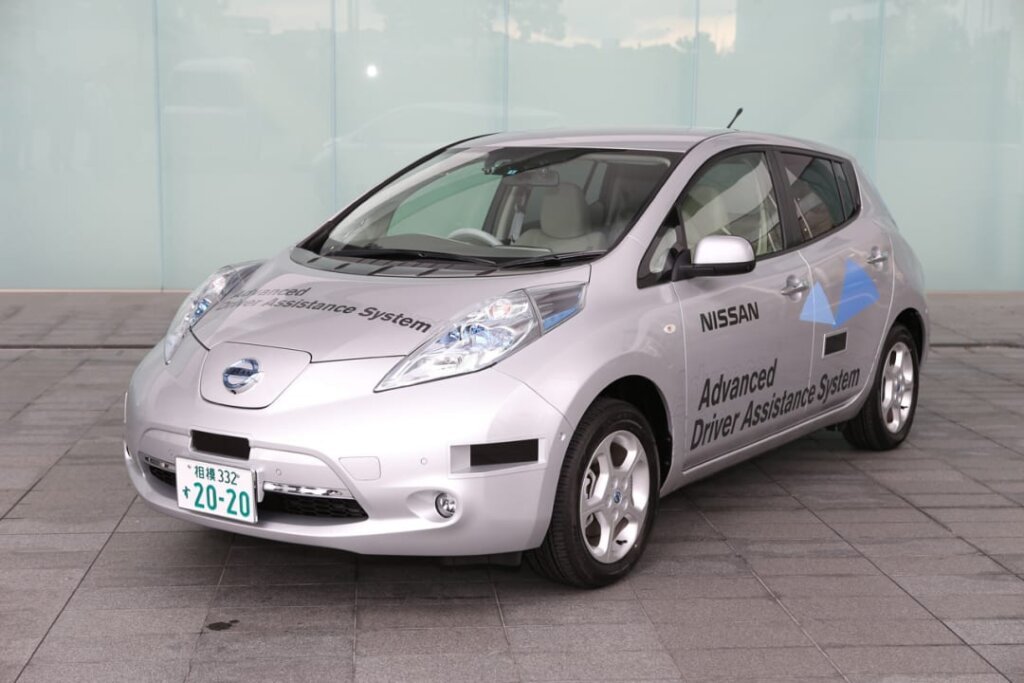

Japan Targets 10000 Driverless Cars on the Road by 2030, Accelerating Level 4 Autonomy Deployment
Japan Targets 10000 Driverless Cars on the road by 2030, a massive national initiative set to boost local transportation, economic security, and technological prowess. Despite global concerns about regulation and safety slowing the adoption of autonomous vehicles, a report by Nikkei Asia confirms that Japan is moving ahead with plans to deploy around 10,000 self-driving vehicles—including buses, taxis, and trucks—within the next five years. This full-forced approach, backed by collaboration between the government and major Japanese automakers, signals a strong national commitment to advanced mobility.
Japan’s Ambitions: Level 4 Autonomy for the Masses
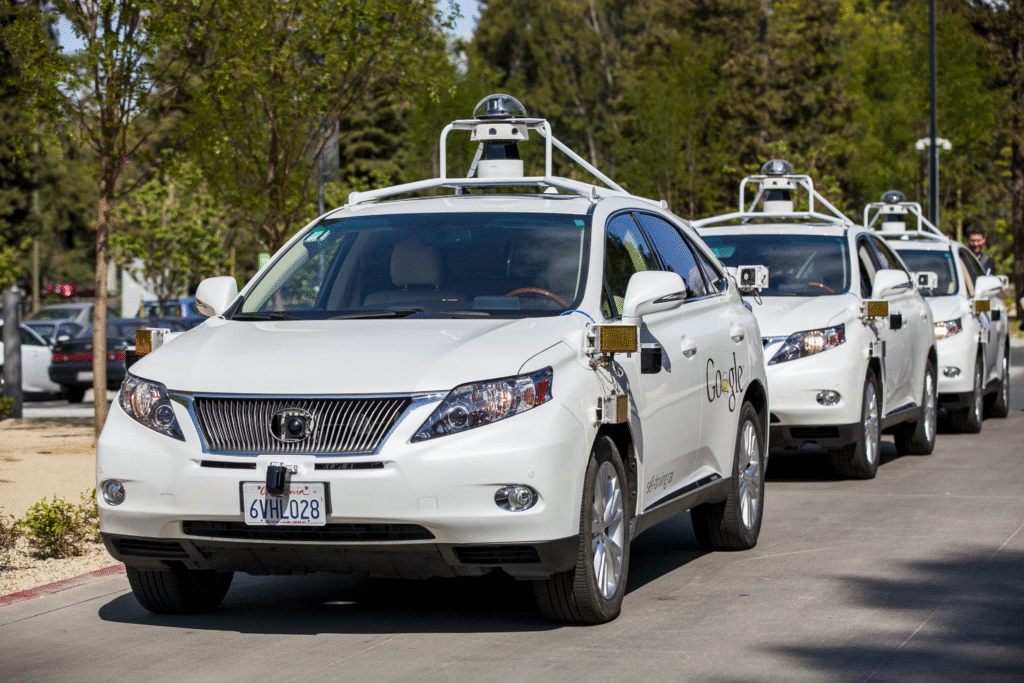
Japan is not just aiming for simple driver-assist systems; its plan centers on high-level automation. (Japan Targets 10000 Driverless Cars)
- Deployment Goal: Japan plans to deploy around 10,000 self-driving vehicles by 2030.
- Vehicle Mix: The deployed vehicles will include a variety of options, such as buses, taxis, and trucks, indicating a focus on optimizing commercial and mass transportation.
- Level 4 Classification: Most of these vehicles will be classified as “Level 4,” meaning no human input is required for operation, although higher-tier Level 5 is the ultimate goal.
- Economic Security: The implementation of these technologies in commercial vehicles is viewed as a way to enhance the country’s economic security.

Government and Industry Collaboration
The acceleration of this initiative is a direct result of strong cooperation between lawmakers and automakers.
- SIP-adus Foundation: Japan’s interest in autonomous driving began decades ago, notably with the government-backed SIP-adus (Strategic Innovation Promotion Program for Automated Driving Systems) national project in 2014, which aimed to accelerate R&D and establish legal frameworks.
- Quicker Approval: Lawmakers are actively working to create a system for quicker approval of self-driving systems being developed for rollout, removing regulatory bottlenecks.
- R&D Push: Japanese automakers are concurrently pushing R&D efforts to meet the technical demands of Level 4 automation.
- Incentivizing Adoption: The plan includes studies to subsidize municipalities that use driverless mass transportation options, incentivizing public sector adoption.
- Safety Priority: Studies focusing on accident analysis will also continue to ensure the safety of the widespread deployment of driverless cars.
Final Thoughts
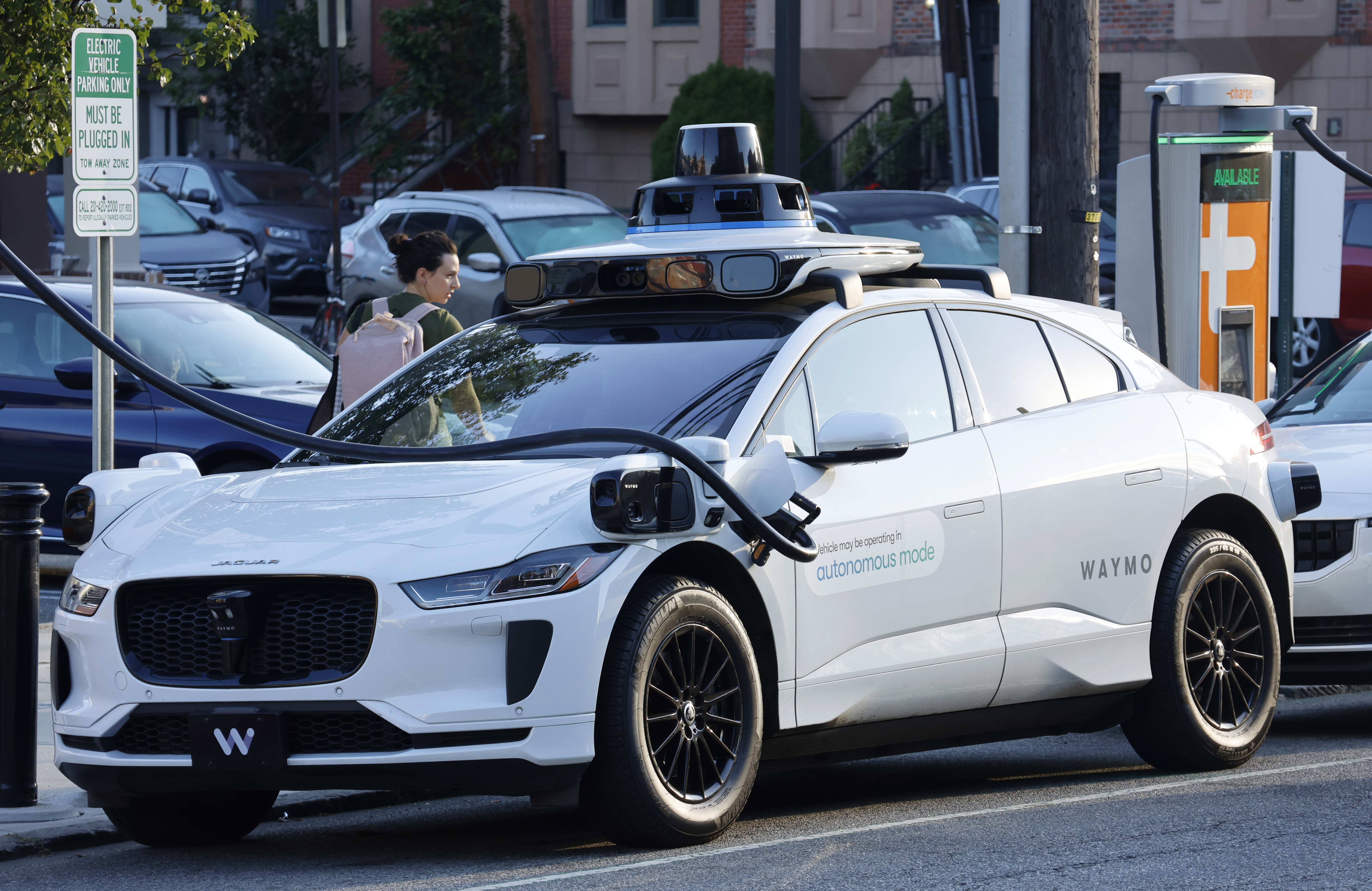
The plan to deploy 10,000 self-driving vehicles by 2030 signals a decisive move by Japan to lead the next phase of the autonomous driving era. By creating a unified front between government and industry, Japan is aggressively tackling the challenges of safety and regulation to transform its transportation network. This full-forced approach, leveraging its status as a global automotive powerhouse, ensures that the future of mobility in Japan will be increasingly autonomous, efficient, and technologically advanced.
Also Read – Eagle Unveils Lightweight GTR: Most Extreme Jaguar E-Type Ever Built Sheds 30% of Weight for 430 HP-Per-Ton


Pingback: Ringbrothers KINGPIN: 800-HP Mustang Mach 1 Makes Modern Muscle Look Soft At SEMA 2025 - Mechhelp