
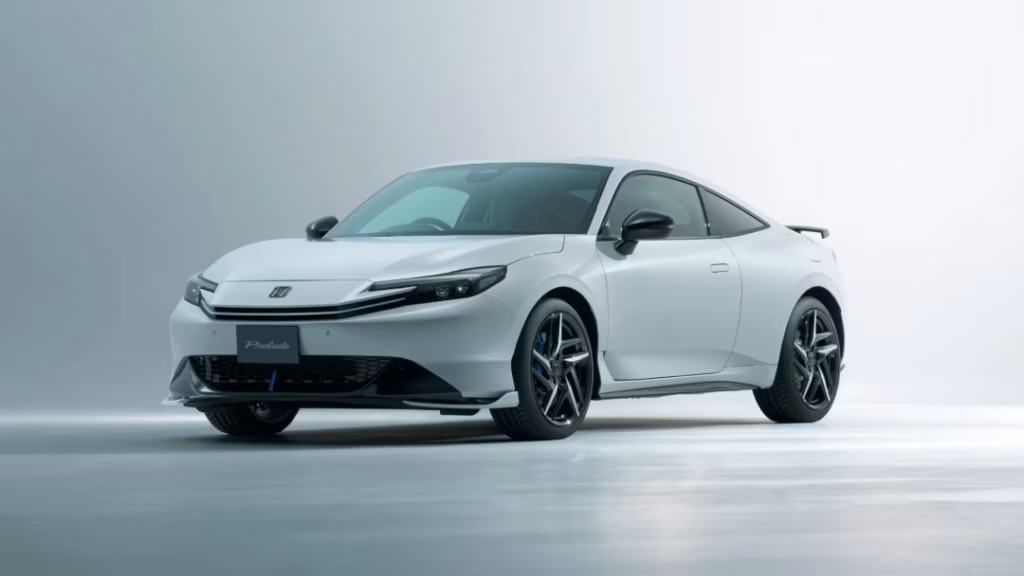

Honda Japan lineup imports Now Include CR-V, Odyssey, and Accord from Overseas Factories
Three letters: JDM. It used to represent the holy grail for car enthusiasts around the world: exclusive, high-performance machines reserved purely for the Japanese Domestic Market. Over the years, Honda has quietly flipped the script. The Honda Japan lineup imports now include several high-volume models, reversing the historic JDM trend.
Honda now imports roughly a third of its Japanese passenger vehicle lineup from overseas factories, proving that for a global company, building near major production hubs is simply more pragmatic than maintaining excess domestic capacity.
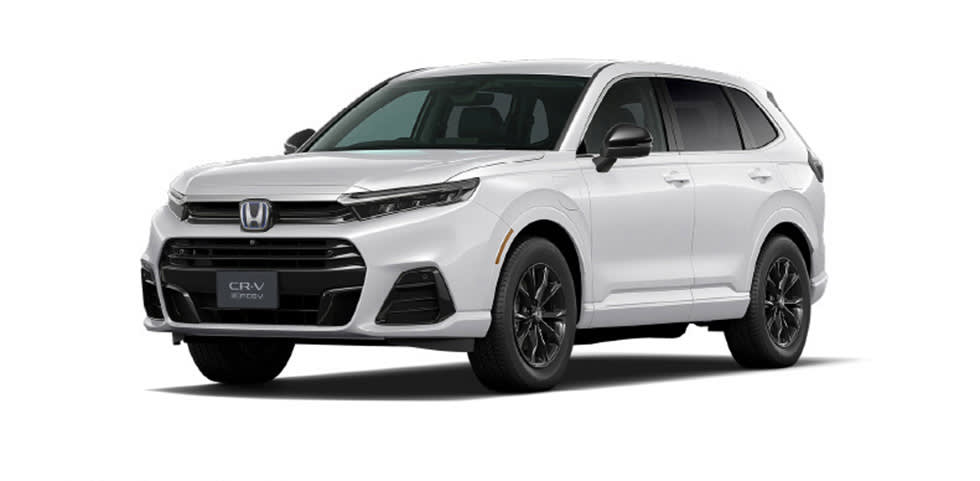
Here is a breakdown of the models now arriving in Japan and their global origins.
Reversing the JDM Process
Honda offers 19 passenger vehicles in Japan. Six of these are Kei cars, which remain domestically produced to satisfy local regulations. However, among the remaining 13 standard passenger cars, four models are now sourced entirely from outside Japan.
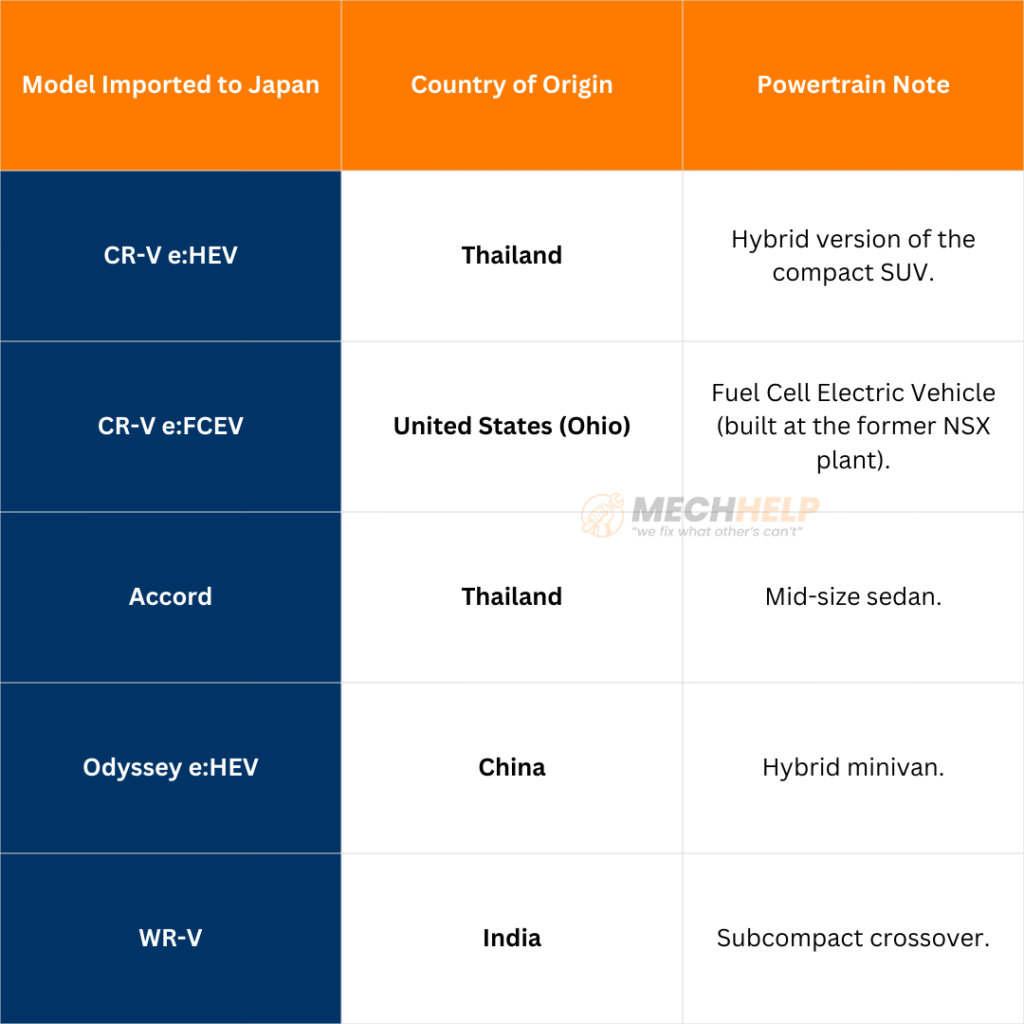
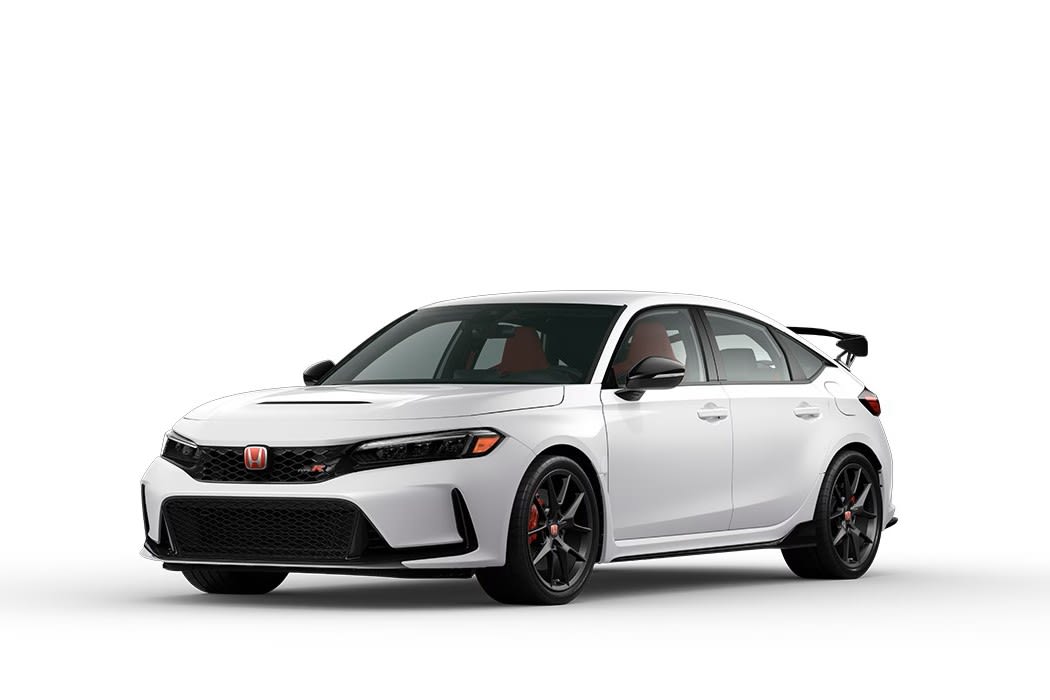
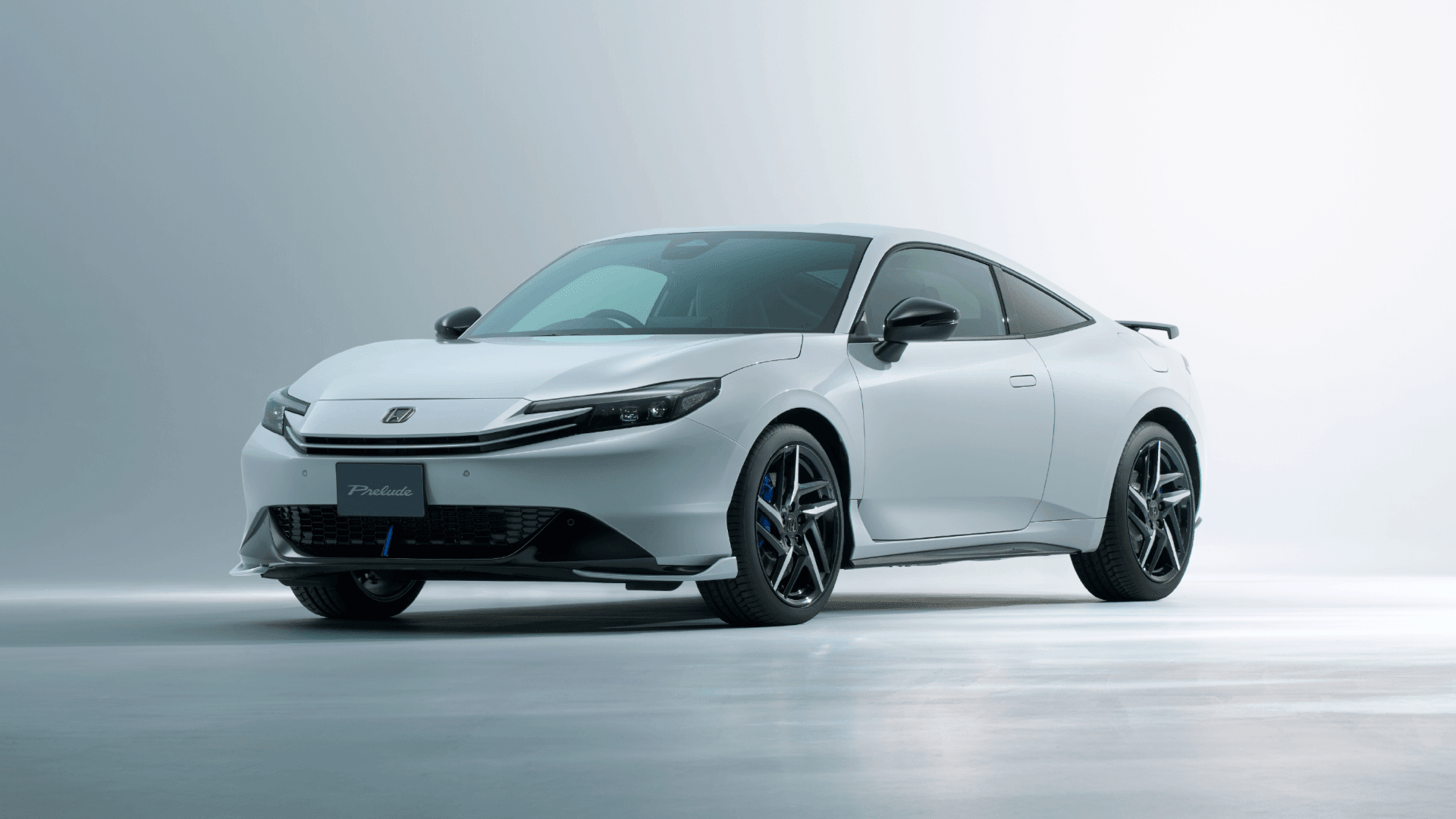
Models like the Fit, Civic (including the Type R), and the new Prelude are still proudly made in Japan. However, the volume and variety of imports—from the compact WR-V built in India to the flagship Odyssey from China—are telling of the shift in manufacturing strategy.
The Business Logic
This change in the Honda Japan lineup imports reflects a sound business logic. Building vehicles near major production clusters and growth markets simply costs less.
- Lower Cost: Shipping finished, quality-controlled cars to Japan is now cheaper than maintaining the excess domestic factory capacity needed to produce low-to-moderate volume models for the home market.
- Consistency: These imported Hondas maintain the fit, finish, and reliability that Honda built its reputation on. They are engineered to the same stringent safety and quality requirements as domestically produced models.
For Japanese brand loyalists, this shift—where the CR-V e:HEV arrives as a “reverse import” from Thailand—comes across almost like a change of era. It demonstrates that the Japanese automotive industry is fully embracing a global manufacturing map to remain competitive.
Also Read – Lynk & Co 03+ TCR sold out Despite $198,000 Price Tag and 345 HP Sequential Gearbox


Pingback: Ford F-250 F-350 Death Wobble Lawsuit Paused Pending Appeal Over Warranty Claims