
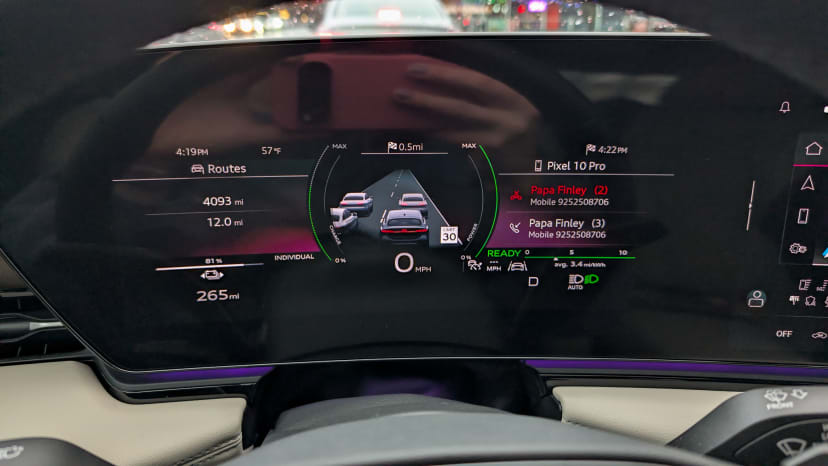

Senate hearing advanced safety mandates Challenges Cost of $50,000 New Cars
How much is the average price of new cars these days? It’s now officially at over $50,000, a dramatic surge from about $24,000 a decade ago. Now, the government is stepping in to curb the rising MSRPs. The Senate hearing advanced safety mandates, scheduled for January 14, 2026, will challenge the need for advanced driver-assist systems and other safety technology, arguing that these costly requirements are making vehicles unaffordable.
The Senate Committee on Commerce, Science, and Transportation has summoned the CEOs of Ford, General Motors, and Stellantis, as well as a senior executive from Tesla, to explain why prices have accelerated so rapidly.
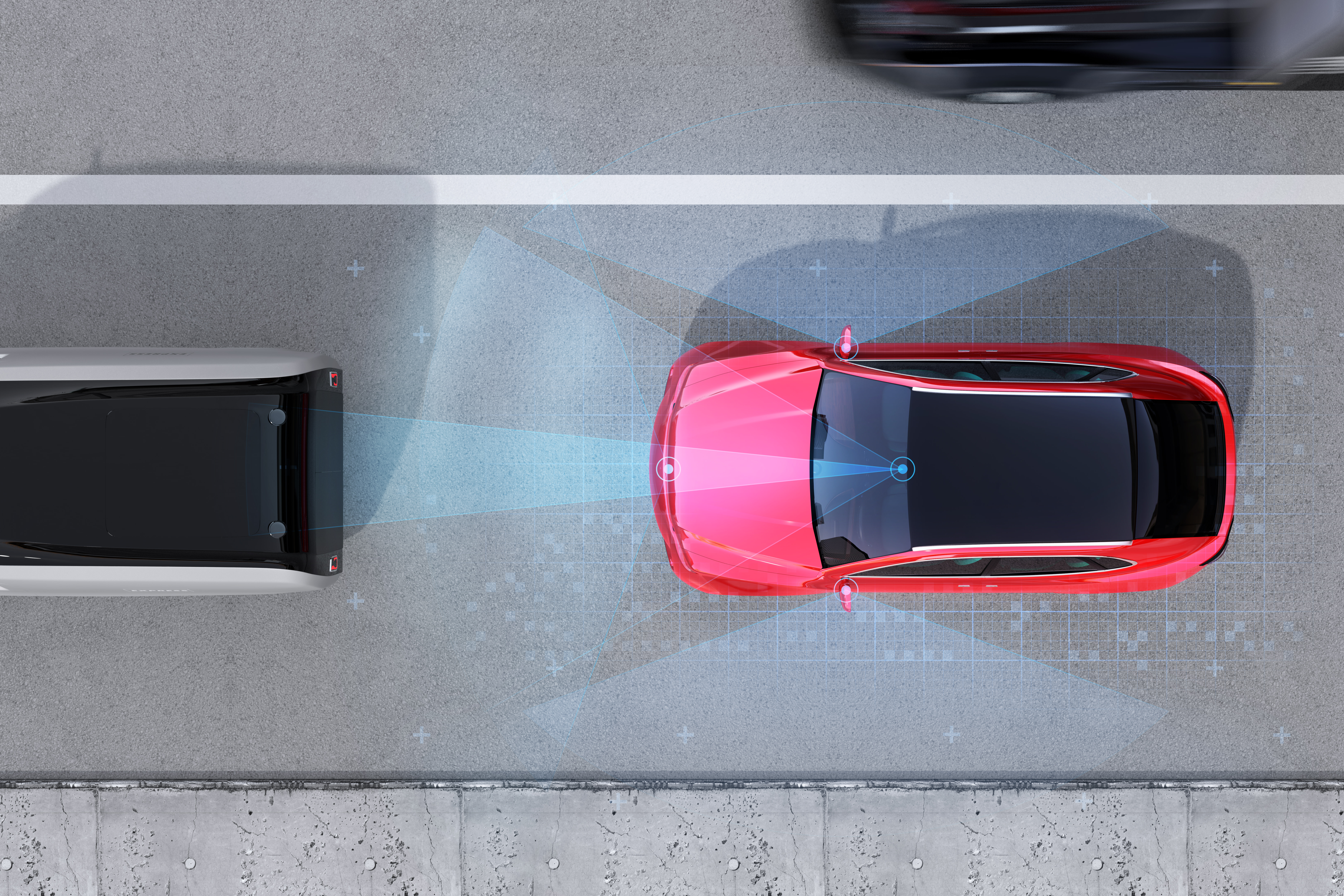

Here is a breakdown of the arguments driving the affordability debate.
The Argument Against Mandates
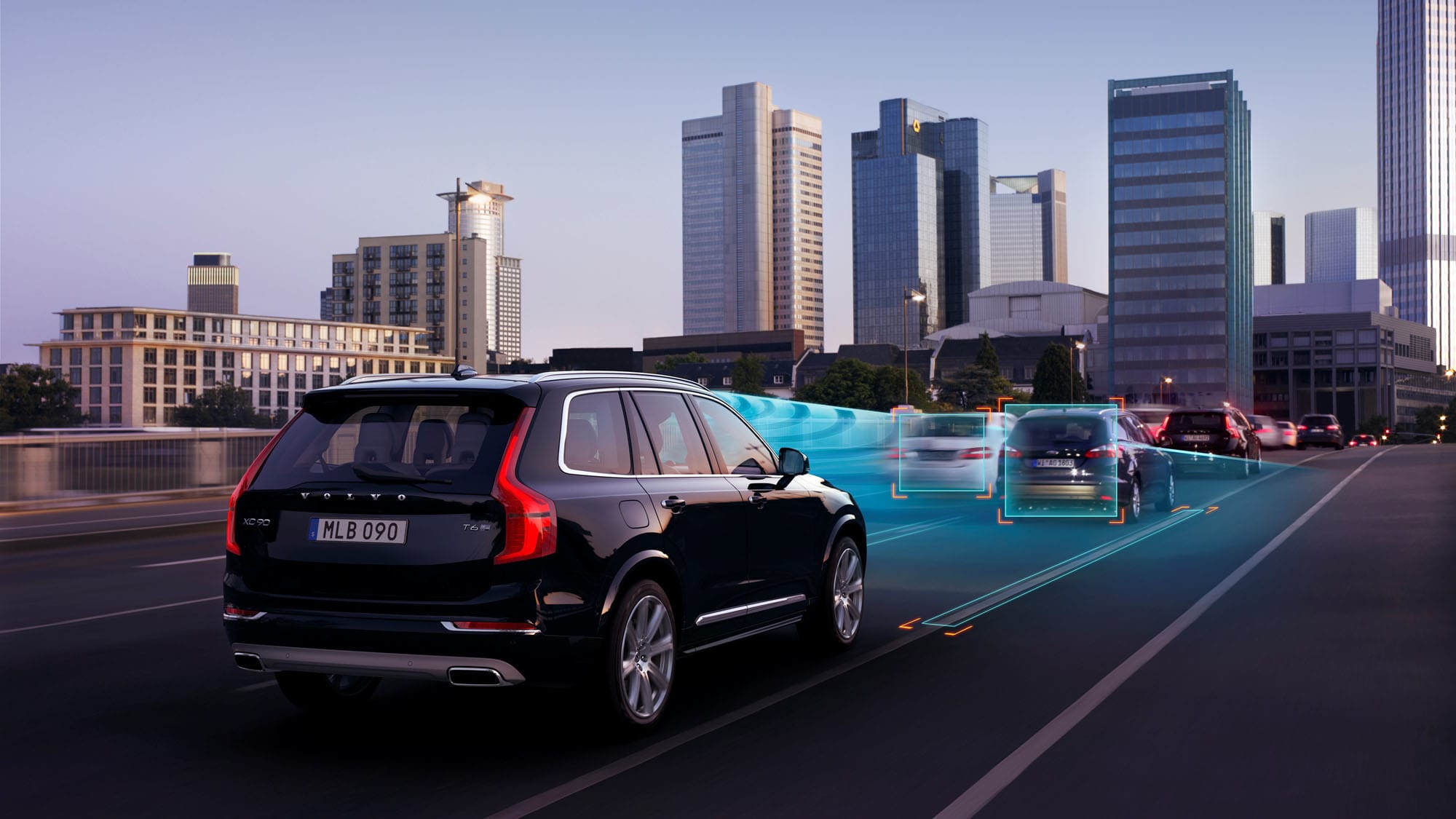
The Senate committee argues that government red tape and regulation have negatively impacted auto affordability for Americans. They are specifically questioning the value proposition of modern driver-assist systems.
| Senate Committee’s Argument | Supporting Claim |
| Cost Driver | New mandated technologies (like start-stop systems, sophisticated sensors) have contributed to the average new car price exceeding $50,000. |
| Effectiveness Questioned | New safety tech doesn’t offer as much benefit compared to fundamental safety features like seatbelts and vehicle crashworthiness. |
| Repair Costs | Advanced driver-assist systems use expensive sensors that are costly to repair after minor incidents. |
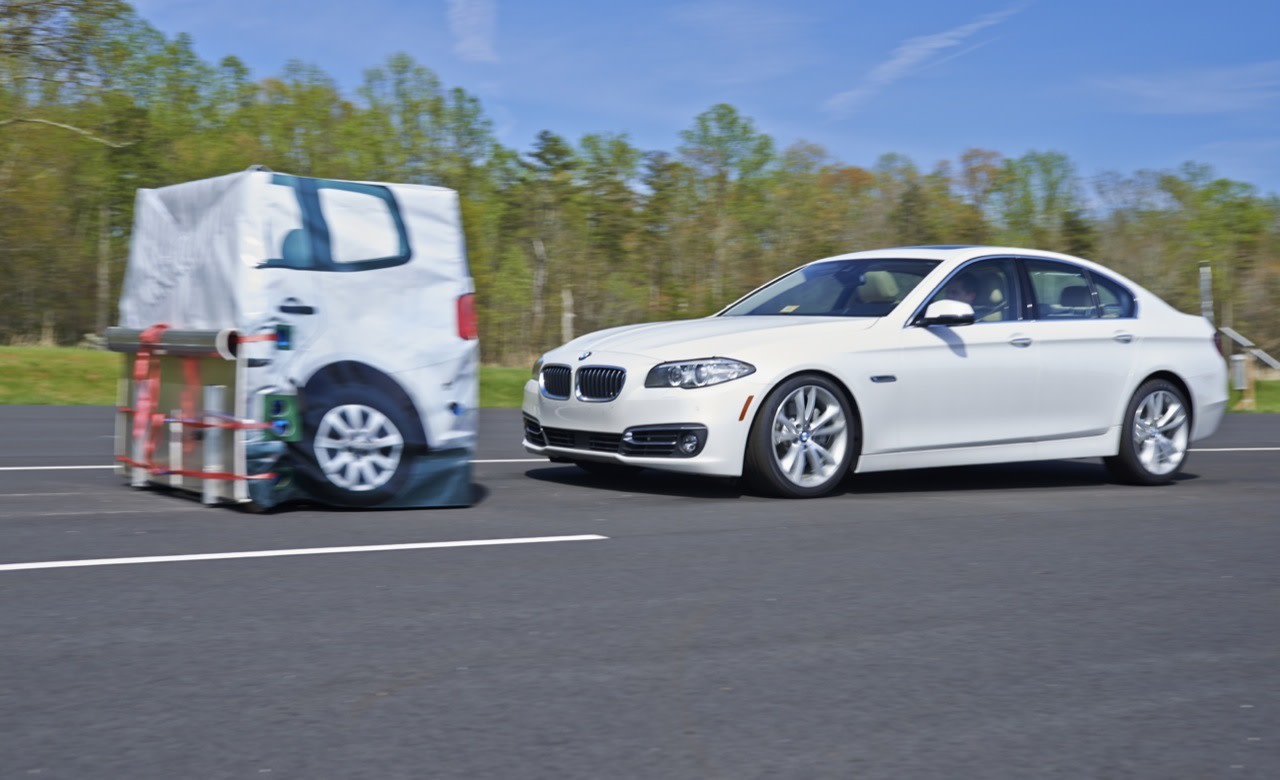
| AEB Concern | Automatic emergency braking systems could allegedly cause more rear-end collisions than without them. |
Senator Ted Cruz (R., Texas) summarized the focus by stating, “Americans have been clear that they are hyper-focused on affordability,” and the committee aims to restore competition and choice by reducing expensive government interference.
The Safety Advocate Counterpoint
While the Senate focuses on affordability, safety groups argue that removing these mandates would be irresponsible, citing a proven track record of life-saving technology.
- IIHS Defense: A spokesperson for the Insurance Institute for Highway Safety (IIHS) insists that “Regulation is the best way to make sure everybody’s got this technology that’s highly effective.” The IIHS not only rates crashworthiness but also the performance of these systems.
- Crash Prevention: A study conducted by the AAA Foundation for Traffic Safety estimates that about 37 million crashes, 14 million injuries, and 250,000 deaths could be prevented by 2050 due to these features.
- Global Context: The U.S. is the only major market questioning the effectiveness of these systems, which have been widely adopted by the rest of the world.
The outcome of the Senate hearing advanced safety mandates could influence the future of mandates requiring technology like automatic emergency braking in all new vehicles, balancing the need for safety with the mounting affordability crisis.
Also Read – Audi A6 Q5 A5 updates Feature ChatGPT AI Assistant and Automated Parking


Pingback: Hyundai Santa Fe Rearview Camera Recall Affects 143K SUVs Over Damaged Wiring