

New Study Exposes Big Dealership Service Department Problems!
It’s an experience every car owner dreads. You take your car to the dealership for a simple $49 oil change. An hour later, your phone rings. It’s the service advisor, and his tone is serious. He points out “recommended maintenance” you’ve never heard of, a “dirty” filter, and a fluid that “looks a little dark.” Suddenly, your 45-minute job is an all-day affair, and the bill is hundreds of dollars. It’s this exact scenario that highlights the massive dealership service department problems owners face. A new study from Cox Automotive confirms what we all suspected: this frustrating experience is driving millions of Americans away.
The Numbers Tell a Troubling Story
It’s no secret that cars on American roads are getting older. According to S&P Global Mobility, the average age of a vehicle has hit a record 12.8 years. Logically, this should be a golden age for service departments, with more cars needing more maintenance.
Instead, the opposite is happening. The Cox Automotive study found that dealers have lost 12% of their service business since 2018. Customers are fleeing to independent repair shops, quick-lube chains, and new mobile service providers.
The trend is even more stark with newer vehicles—the customers dealers should be retaining.
- In 2023, 72% of people with cars two years old or newer had them serviced at the dealership where they were purchased.
- By 2025, that number had plummeted to just 54%.
This “buy here, service elsewhere” mentality is a five-alarm fire for dealers. The study found that customers who service their vehicle at the dealership are 74% more likely to purchase their next car from that same dealership. When the service department loses a customer, the showroom loses one too.
What’s Driving Customers Away? (It’s Not Price)
Here is the most ironic part of the entire study: dealership service isn’t actually more expensive.
This is the biggest myth in the auto industry. The Cox study found that the average repair cost at a dealership in 2025 was $261. The average at an independent repair shop? $275.
Dealers are, on average, cheaper than the local shop. So why is everyone leaving?
The answer is simple: trust and communication. Customers perceive dealer service as dishonest and overpriced, even when the data proves otherwise. The problem isn’t the final bill; it’s the experience of getting to that bill.
- 45% of vehicle owners reported dissatisfaction with their dealership service.
- The top complaints were unexpected repair costs and poor communication.
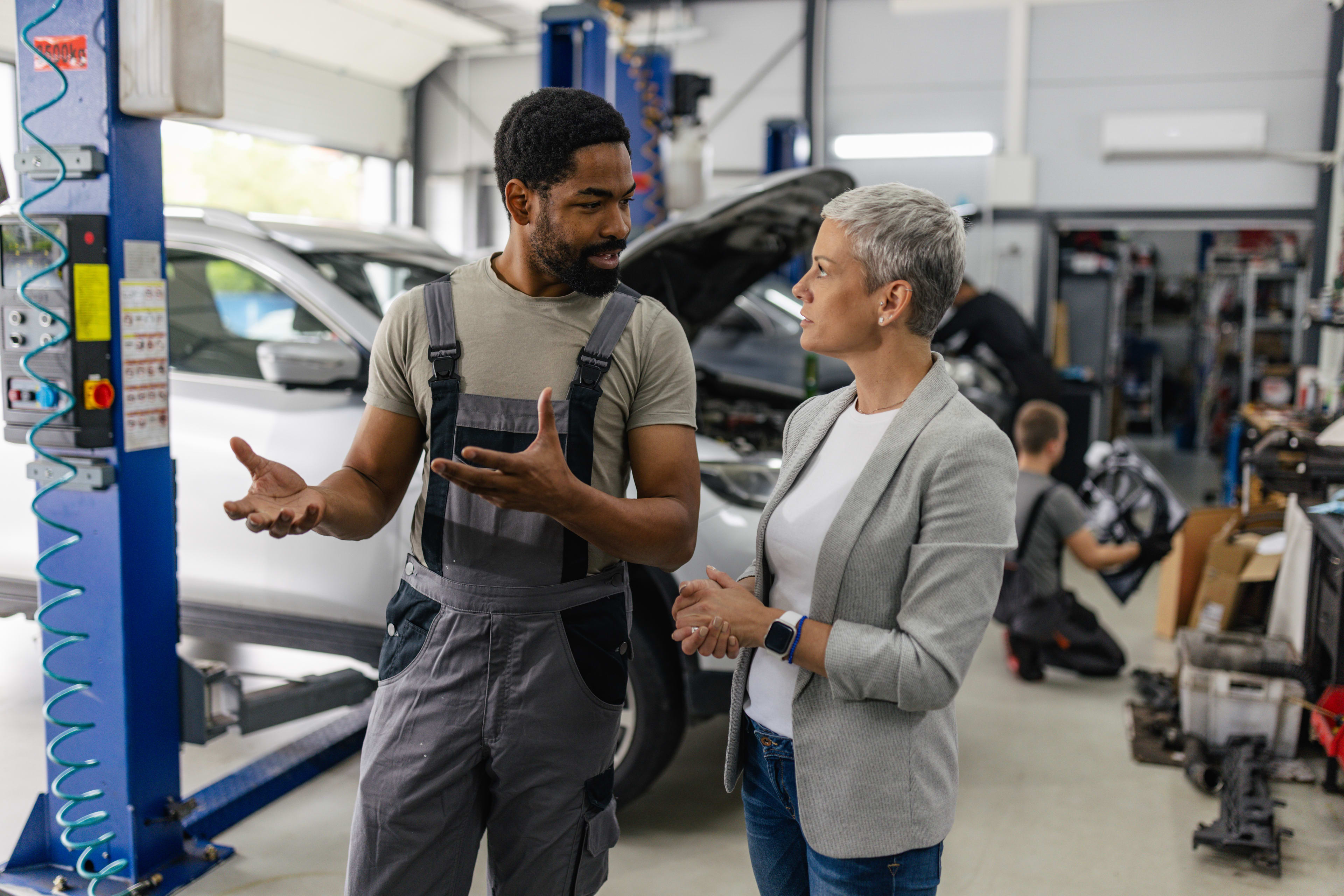
It all comes back to that dreaded phone call from the service advisor. Drivers are frustrated with the vague explanations, the high-pressure upsell tactics, and the feeling that they are being taken for a ride. They drop off a car expecting a $49 bill and are pressured to approve $400 in work they don’t understand.

What Customers Actually Want in 2025
The study reveals that modern consumers don’t hate dealerships; they just hate the 1990s-era convenience they offer. They want the same transparency and ease they get from every other industry.
- 55% of car owners want to compare service costs online before committing.
- They demand transparent, upfront pricing.
- They want easy, digital scheduling (no more calling and being put on hold).
- They want flexible, convenient options like after-hours drop-off, pickup and delivery services, and rideshare integration.
Independent shops and quick-lube chains have adapted. Many dealerships have not. With service and parts now representing over 13% of total dealership revenue—often making up for shrinking new-car margins—this is a part of the business they can no longer afford to neglect.
Expert Analysis: The Fix Is In
These dealership service department problems are an urgent wake-up call. The data shows this is a crisis of communication, not price. The perception of the “dealership scam” is so strong that customers are willing to pay more at an independent shop just to avoid the hassle.
The good news is that some brands are finally listening. Ford, for example, just unveiled its “Ford Signature 2.0” retail concept, which is designed to make the entire experience, especially service, more friendly and welcoming.
More importantly, Ford is aggressively promoting the services customers actually want:
- Ford Pickup & Delivery: A driver will pick up your car, take it to the dealer for service, and return it to you when the work is done.
- Ford Mobile Service: A certified technician in a fully-equipped van is dispatched to your home or office to perform routine services like oil changes and tire rotations on the spot.
Through the third quarter of 2025, Ford has already offered 3.8 million of these remote experiences worldwide. This is the future.

Conclusion
The dealership service department problems identified by Cox Automotive are not unfixable. They are a self-inflicted wound caused by an outdated, inconvenient, and untrustworthy customer experience. The data is clear: customers will pay for service, but they won’t be haggled, upsold, or inconvenienced.
Brands like Ford that embrace transparency and convenience will win back loyalty. The ones that stick to the old model of “gotcha” phone calls will continue to watch their customers drive away—for good.
Have you had a bad dealership service experience? Share your story below!
Also Read – BMW Soft Close Door Lawsuit Ends with $1.9M Verdict Over Thumb Injury


Pingback: Why Are Car Dealerships 90s Sales Tactics Suddenly Back In Style?