
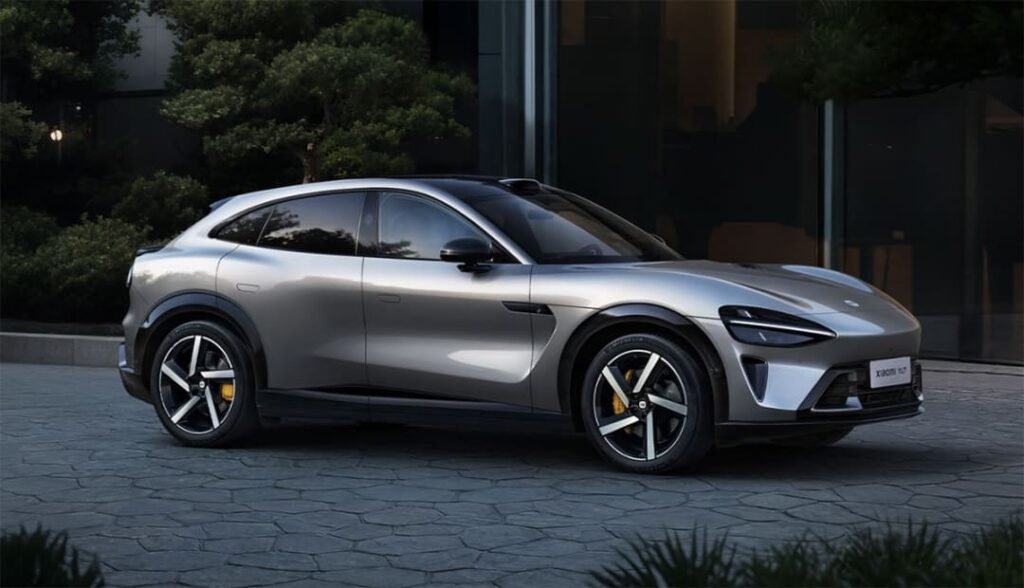

Shocking China EV Speed Limit – The End of Sub-3-Second Cars?
In a stunning reversal, a new China EV Speed Limit has been proposed, and it’s a direct shot at the “ludicrous” performance that has become a primary marketing tool for its automakers. For the last few years, China has been churning out electric rockets on wheels, with family sedans from brands like Xiaomi boasting acceleration figures that embarrass multi-million dollar supercars. Now, the very government that fostered this high-speed innovation wants to pump the brakes, concerned that this power is too much for untrained drivers.
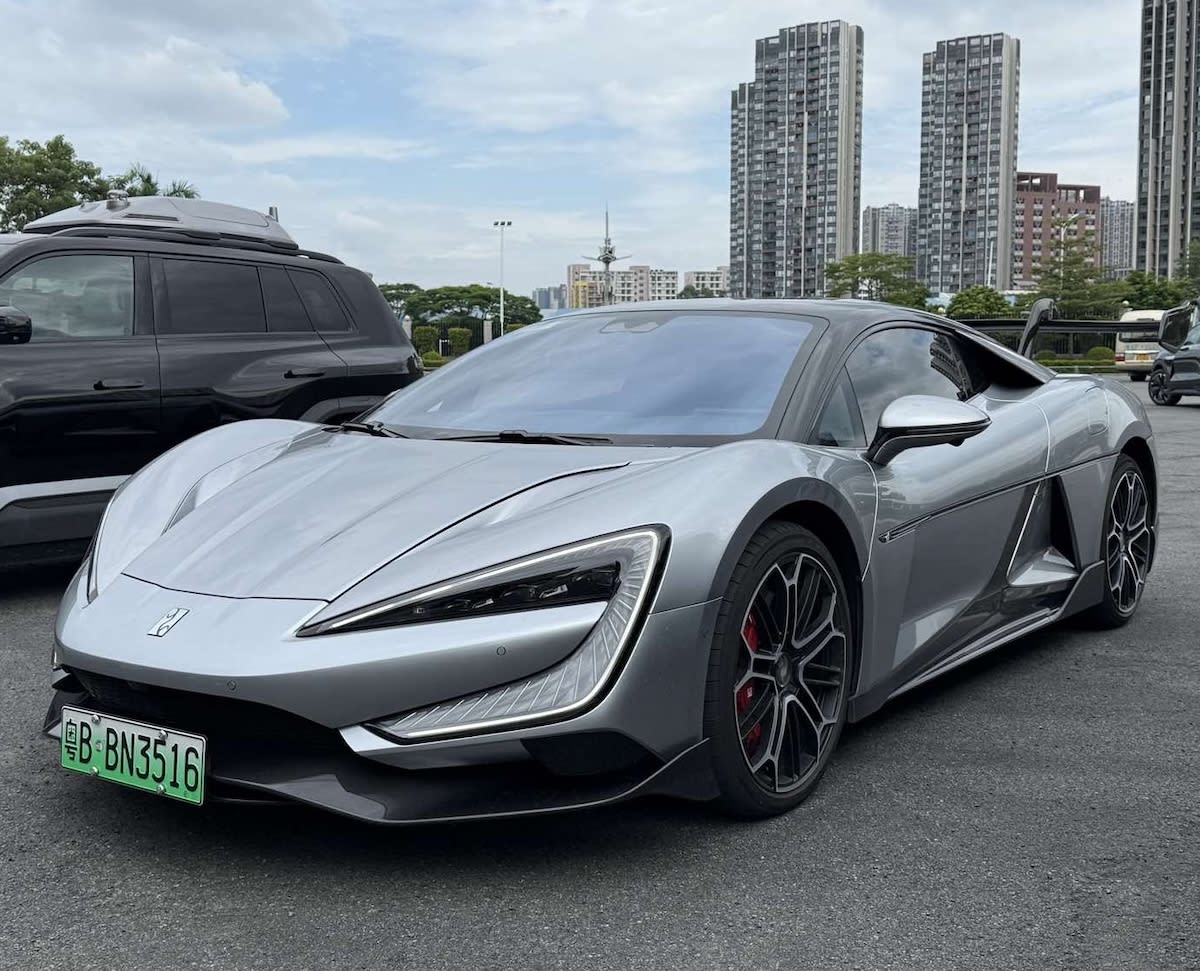
What’s New: The “5-Second Rule”
The draft regulation, proposed by China’s Ministry of Public Security, doesn’t outright ban insane performance. Instead, it cleverly neuters it by default.
The new rule mandates that all passenger vehicles must start in a restricted mode every single time you turn them on. In this “nanny” mode, the car’s acceleration from 0-100 km/h (0-62 mph) must be no less than 5.0 seconds.
How You’ll “Unlock” Your Own Car
Want that sub-3-second launch control you paid for? You’ll have to manually unlock it. This means actively finding and selecting a “Sport” or “Performance” drive mode every single time you start the car.
The logic is simple: regulators want to prevent accidental, high-torque launches. By forcing a deliberate action, the driver is confirming their intent to use the car’s full power, rather than just accidentally twitching their foot at a stoplight. This effectively kills the “surprise” factor of an EV’s instant torque for untrained drivers.
It’s Not Just About Speed: A Full Safety Overhaul
This China EV Speed Limit is just the headline. The draft proposal is a comprehensive safety package aimed at fixing all the new problems high-tech EVs have created.
1. Mandatory Pedal Misapplication Tech
To prevent “accidental launch” crashes (where a driver slams the accelerator instead of the brake), all new EVs and plug-in hybrids must include pedal misapplication technology. This system will restrict power and blast audio-visual warnings if it detects a panic-stomp on the accelerator when the car is stationary or crawling in a parking lot.
2. Fixing “Deathtrap” Door Handles
In a separate but related move, regulators are also targeting those sleek, flush-mounted door handles. New rules will require:
- Mechanical release handles on the outside of every door.
- A mechanical release handle on the inside of every door.
- Automatic unlocking during an emergency or crash.
This is a direct response to fears of passengers being trapped in a car after a crash or power failure—a terrifying scenario for first responders.
3. Stricter Battery and Crash Safety
The new standards also demand better battery monitoring to detect thermal issues before a fire starts. This is paired with rules for automatic power cutoffs if the car detects a sudden 15 mph speed change (like in a crash) or if the airbags deploy.

Expert Analysis: The Price of Progress
As a journalist, it’s fascinating to watch. China’s automakers, fueled by intense local competition, built the world’s quickest cars. Xiaomi built its entire brand on the SU7, a family sedan that can hit 62 mph in 2.78 seconds. Now, the government is essentially saying, “You’ve made your point, now slow down.”
This is the price of progress. What started as a futuristic innovation (instant torque) has revealed a practical, human flaw: most drivers are not trained for it. These regulations are the “old-fashioned guardrails” the future apparently needs to keep from crashing.
While U.S. buyers can’t get these Chinese-market EVs yet, the performance and low prices have absolutely caught the world’s attention. Now, the safety regulations are catching up to the marketing hype.
Conclusion
The proposed China EV Speed Limit is a massive reality check. It signals a shift from “how fast can it go?” to “how do we make this power safe for the public?”
While the days of defaulting to a 2-second launch mode may be numbered, the performance isn’t gone—it’s just being put behind a “safety lock.” This move to neuter EVs on startup is a pragmatic, if controversial, step to tame the very monsters they created.
What do you think? Is this a smart safety move or a buzzkill for enthusiasts? Share your thoughts below.
Also Read – Forget Plugs: The Porsche Cayenne Electric Has Cable-Free Charging!


Pingback: Shocking Mitsubishi US Lineup Expansion 4 New Model