
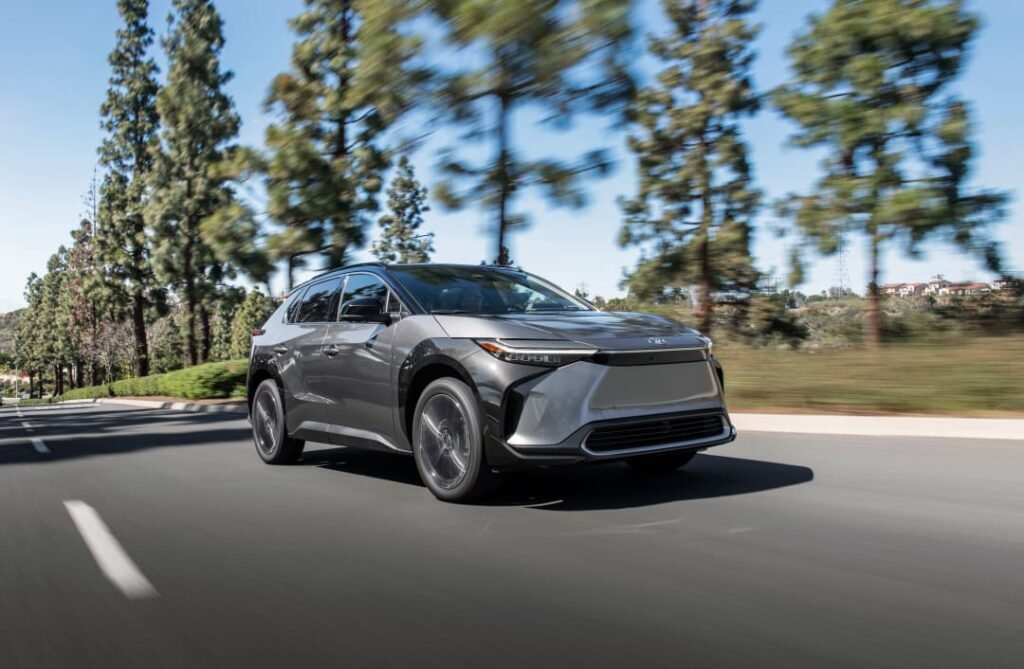

Toyota EV Battery Factory Delay Confirmed as EV Struggles Continue
A Toyota EV battery factory delay has been confirmed for the second time, as the automaker hits the brakes on its EV expansion amid cooling global demand. Automakers are increasingly uncertain about the EV future as sales cool off. We’ve seen several OEMs go back and forth between investing in EVs and delaying those plans, citing a variety of reasons.
Take Toyota, for instance. The Japanese carmaker, while still betting on EVs, has now postponed its plan to build a new factory dedicated to EV batteries. The site, located in an industrial zone near northeastern Fukuoka, saw its first delay in March, citing falling EV demand. Work has been postponed for the second time, as confirmed by both the governor of Fukuoka and Toyota President Koji Sato.
The timing of the news, as reported by Nikkei Asia, may be linked to Toyota’s latest earnings forecast. The Japanese auto giant has slashed its global EV sales projection to 277,000 units, 10 percent lower than its August estimate.
Toyota EV Sales Collapse in the U.S.
Things in the U.S. are not great either, with appalling EV sales figures across the entire Toyota and Lexus lineup. In all of October, the two brands sold just 37 EVs combined.
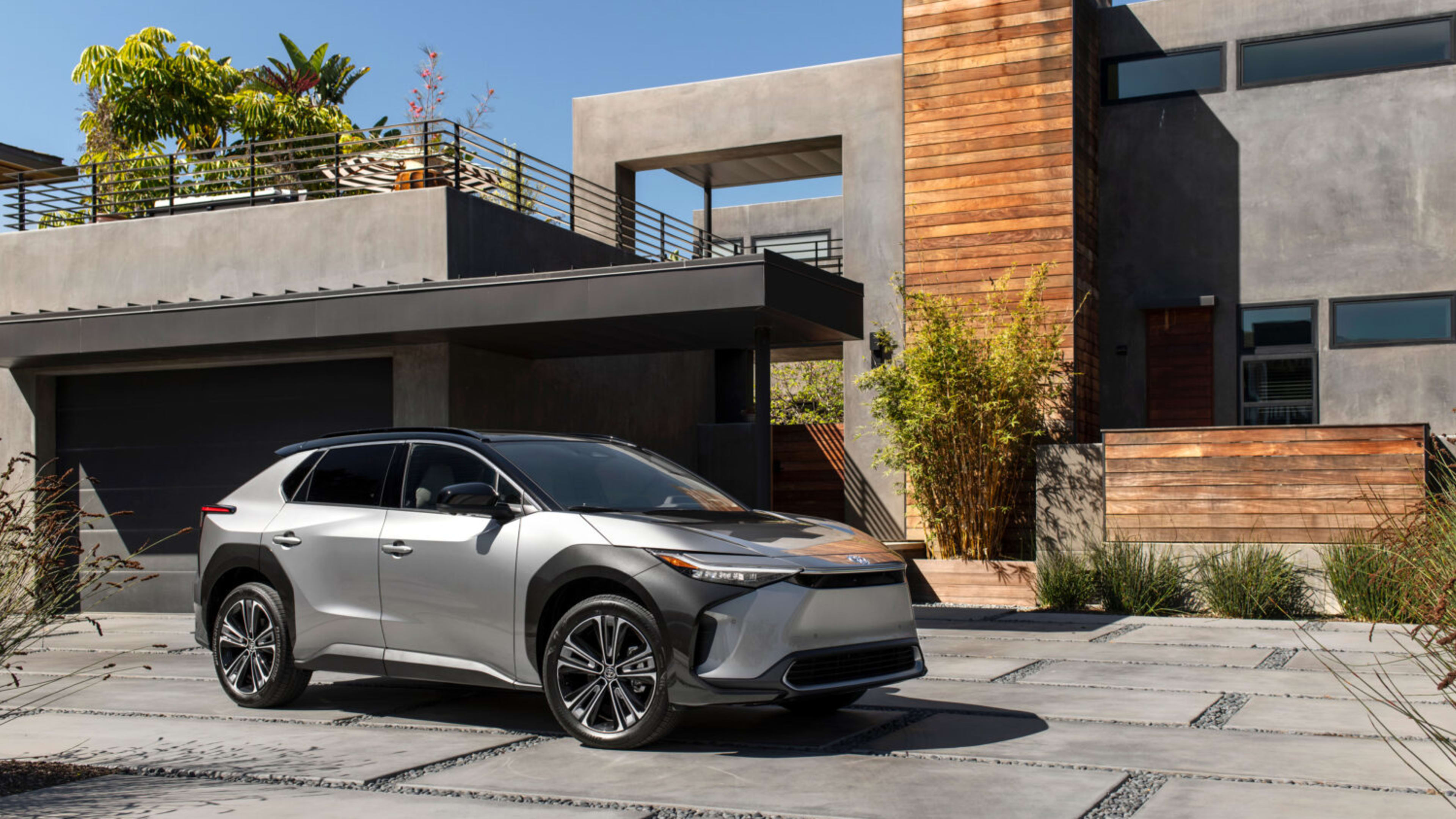
This sales collapse is partly due to the federal EV tax credit going away, and partly because the EVs themselves (like the bZ4X and Lexus RZ) aren’t exactly crowd favorites. This wasn’t helped by the fact that Toyota had to recall nearly 100,000 vehicles, including the bZ4X, Lexus RZ, and the Subaru Solterra, which all share the same platform.
This isn’t a new problem. Things weren’t any different in September, even when the $7,500 tax credit was available. While most major OEMs were reporting record EV sales as people rushed to claim the incentive, Toyota managed to shift just 147 units of its all-electric EVs, including the Lexus RZ. This translates to an over 90 percent decline in year-over-year sales.
No wonder Toyota is scaling back its BEV plans and we are seeing another Toyota EV battery factory delay. However, the company is looking to turn its EV fortunes around with an updated 2026 BZ crossover that promises up to 314 miles of driving range. Two other electric SUVs, the 2026 C-HR and BZ Woodland, are also slated to hit U.S. shores next year. Still, with EV demand facing headwinds, it’s uncertain whether the bet will pay off.
Also Read – 2026 Lexus ES Launches “Standard of Amazing” Campaign with New EV Option


Pingback: Jaecoo Pet-Friendly SUV Pioneers New TUV-Certified Interior For Pets - Mechhelp
Hi, I wish for to subscribe for this website to obtain most up-to-date updates, thus
where can i do it please help out.