
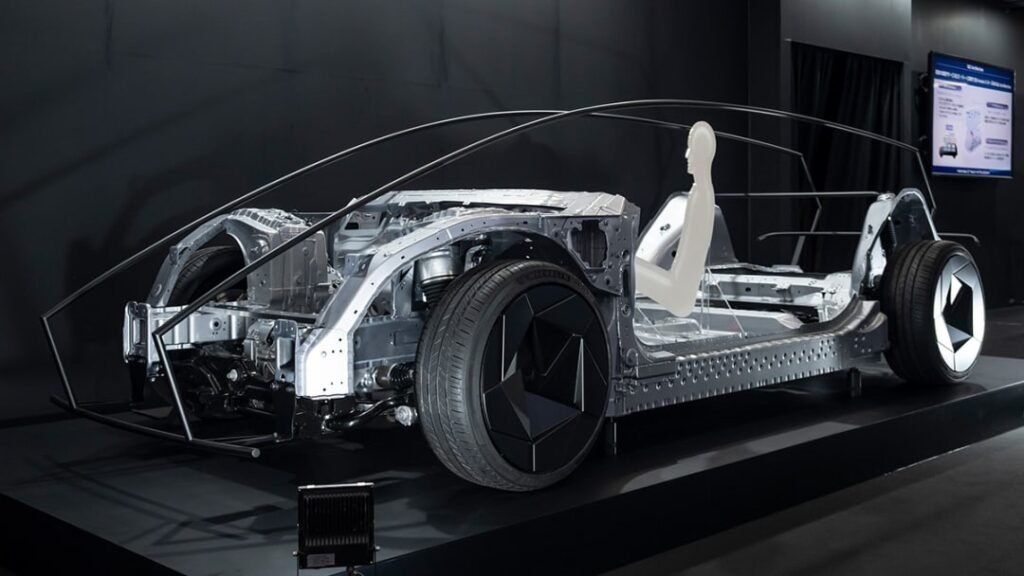

Honda Flexible Chassis: Honda’s New Chassis Breaks a Rule Every Carmaker Has Followed for Decades
Honda is challenging decades of rigidity-focused chassis design by engineering controlled flex into its next-generation Honda flexible chassis. This strategic compliance is designed to improve grip, steering feel, and ride comfort, while also reducing weight and cutting production costs. This approach to the Honda flexible chassis is set to debut in 2027.
Why the Chassis Shouldn’t Flex (The Traditional View)
For decades, the universal goal of chassis development has been to create stiffer structures that resist flex. This was driven by the need to handle more powerful engines, high-grip radial tires, and the demand for sharp, predictable handling.
Logic dictates that the chassis should be robust enough to maintain its structural integrity under the various forces of accelerating, braking, and cornering. This rigidity ensures consistent handling and steering performance. Honda is now flipping this logic on its head.
Honda’s Flexible Chassis
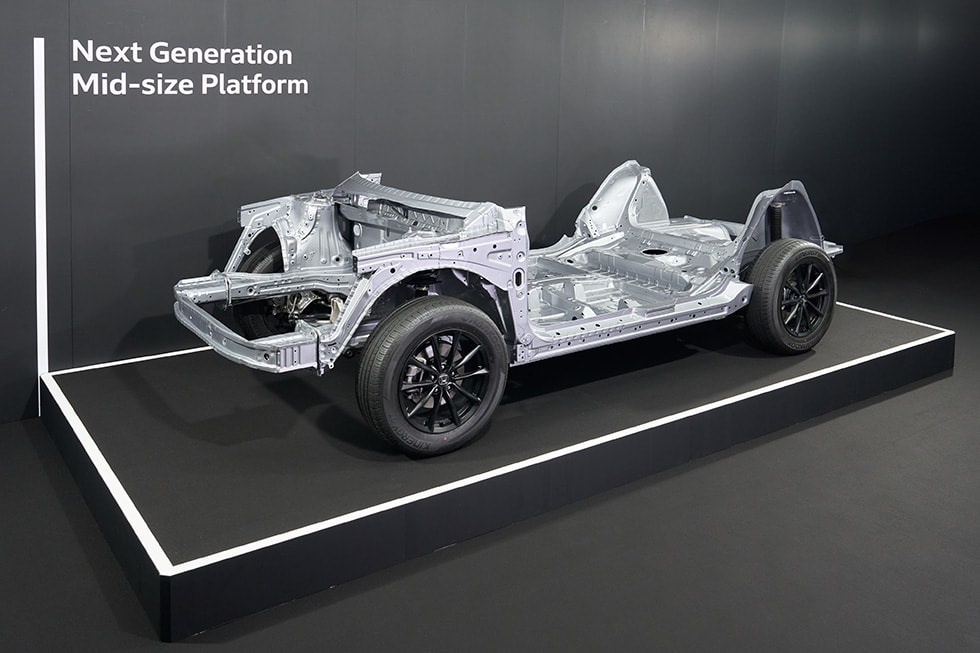
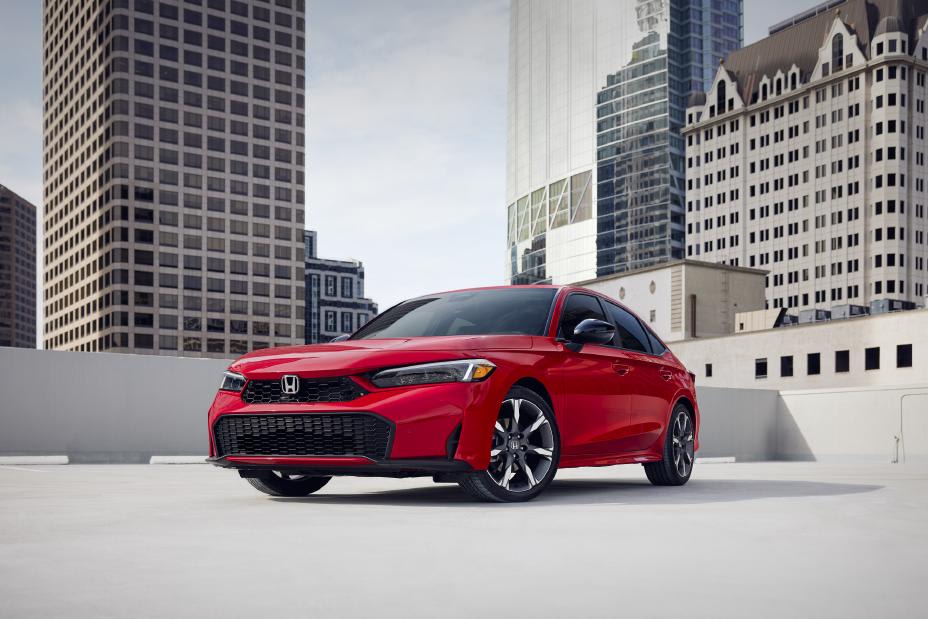
Honda recently announced the development of its next-generation mid-size vehicle platform, the new Honda flexible chassis, which will underpin cars like the Civic, Pilot, Passport, CR-V, and Odyssey, as well as upcoming EV models such as the 0 Series and a production version of the Super-ONE prototype.
The standout feature of this new platform is that rather than focusing on eliminating flex, Honda has opted to optimize the flex characteristics of the platform to work in their favor.

How Does it Work?
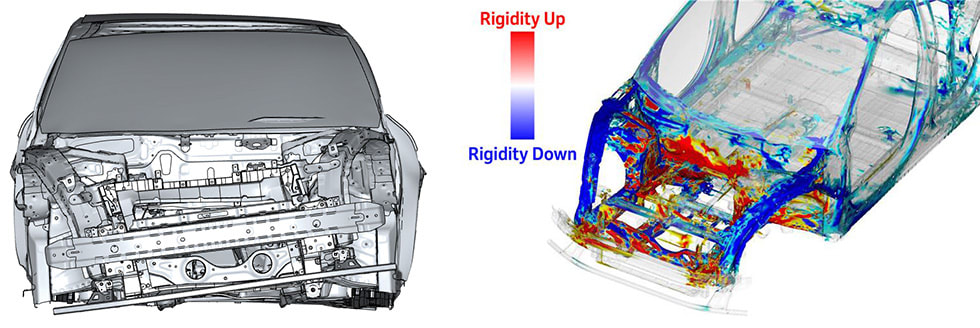
The Japanese manufacturer has engineered a chassis that will deform in a predictable manner under load to enhance dynamic performance and driving stability, while also reducing vehicle weight. This out-of-the-box approach allows part of the front structure to bend and twist under excessive cornering forces, in a manner that pushes the outer wheels into the road surface rather than towards the outside of the corner.
This calculated chassis flex is designed to improve handling and provide the driver with more information through the steering wheel, while also enhancing comfort by absorbing bumps and surface irregularities without transferring them into the cabin.
Modular, Lighter, and Cheaper
Honda’s new mid-size vehicle platform features a modular architecture with fixed hard points at the front and rear, enabling easy sharing of components across different vehicle sizes. Targeting over 60 percent parts commonality, this approach is sure to speed up development. Honda also claims that its new platform will be around 200 lbs lighter and roughly 10 percent cheaper to build than the existing architecture.
The first production models using this new Honda flexible chassis are scheduled to arrive in 2027. If Honda’s design proves itself, the industry may need to rethink the long-held belief that chassis rigidity is a universal virtue.
Also Read – Rivian CEO Secures $4.6 Billion Elon-Style Rivian CEO Pay Package


Pingback: This 2024 Toyota Land Cruiser Has Already Driven 110,000 Miles — And Nothing Broke - Mechhelp